How to Choose New HVAC Systems in 2026
Choosing a heating and cooling system in 2026 means looking beyond the price tag. Your home’s insulation, local climate, room layout, and existing ductwork all affect comfort and energy use. New hvac systems can include high-efficiency heat pumps, variable-speed equipment, and smart controls, but advanced features do not guarantee a good fit. A system that is too large may cycle frequently, while an undersized unit can struggle on the coldest or hottest days. Proper sizing matters.
This guide outlines practical ways to compare equipment, estimate operating costs, and assess installation proposals. Ask contractors to explain their sizing method, equipment ratings, warranty terms, and any duct repairs they recommend. Check that estimates identify the model numbers and expected work, not just a broad system category. Local energy prices and incentives can change, so verify current details before budgeting. Small details count.
Consider noise near bedrooms, filter access, and whether your electrical panel can support the proposed equipment. These everyday factors are easy to overlook when brochures focus on efficiency ratings. A careful review cannot promise lower bills or perfect comfort; household habits, weather, and installation quality still matter. That uncertainty deserves attention. Use the sections ahead to build a shortlist, ask clearer questions, and choose a system that suits your home rather than a sales pitch.
Define Your Property’s Heating and Cooling Needs
How to Choose New HVAC Systems in 2026
Define Your Property’s Heating and Cooling Needs
Before comparing equipment, define what your property must handle on its coldest and hottest days. Note each room’s use, usual occupancy, window exposure, and comfort problems. A sunny upstairs bedroom may overheat while a shaded downstairs room stays cool. Square footage alone misses these differences.
The U.S. Energy Information Administration’s 2020 Residential Energy Consumption Survey found that space heating used about 42% of residential site energy, while air conditioning used about 9%. The U.S. Department of Energy also estimates that heating and cooling use roughly half the energy in a typical home. National figures are useful context, not a design prescription.
Your climate, insulation, air leakage, and duct condition can change the load substantially. Have a qualified contractor calculate room-by-room heating and cooling loads using ACCA Manual J procedures. Ask them to inspect the attic, windows, and ducts, not just measure the floor plan. A quick rule of thumb can mislead.
I’d also record the temperatures that feel uncomfortable and when they occur; memory gets fuzzy. That small detail can help test whether the proposed system fits the actual problem.
Compare HVAC System Types and Their 2026 Features
In 2026, compare HVAC systems by how they perform in your climate, not by efficiency labels alone. Air-source heat pumps provide heating and cooling through one system, and many newer models use variable-speed compressors to adjust output gradually. This can reduce temperature swings on mild days. Cold-weather performance still varies, so check the unit’s capacity at local winter temperatures. Ask which refrigerant the specific model uses; requirements and product availability can differ.
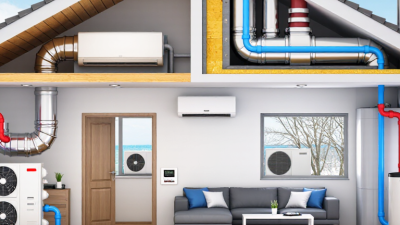
A furnace paired with central air conditioning may suit homes with existing ducts and very cold winters. It keeps familiar equipment, but uses separate systems for heating and cooling. Ductless mini-splits avoid ductwork and can serve individual rooms, such as a converted attic or a sunlit bedroom. That flexibility comes with visible indoor units. One detail is easy to miss. Poor placement can leave a corner uncomfortable.
Hybrid systems combine a heat pump with a furnace, switching heat sources as conditions change. Smart controls and energy monitoring are increasingly common, but their usefulness depends on setup and your daily routines. Compare sound levels, filter access, repair support, and estimated operating costs—not just purchase price. Ask an installer to measure the home and inspect duct leaks before recommending equipment. A neat rating sheet cannot reveal every draft under a door.
Assess Efficiency, Climate Suitability, and Long-Term Costs
Choosing an HVAC system in 2026 starts with your climate and home, not a brochure.
The IEA’s 2022 report, The Future of Heat Pumps, estimates that heat pumps can be three to five times as energy-efficient as gas boilers. That advantage does not guarantee lower bills everywhere. Outdoor temperatures, electricity rates, and insulation all affect running costs. Cold snaps matter.
The U.S. Energy Information Administration’s 2020 Residential Energy Consumption Survey found that space heating accounted for about 42% of household site energy use. That makes sizing and efficiency more than minor details. Ask for a room-by-room heat-loss calculation, then compare seasonal efficiency ratings under conditions relevant to your area. Check whether the system can maintain comfort on the coldest local days, and whether it needs backup heating. A high rating alone is not enough.
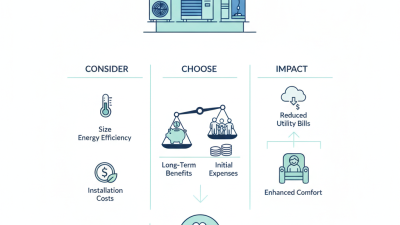
Look beyond the purchase price. Include installation, expected energy use, maintenance, and any electrical or ductwork upgrades. Compare estimates using your actual utility rates, not a generic savings promise. One uncertainty remains: modeled bills rarely match every household’s habits. A thermostat setting, an unsealed attic hatch, or a long cold spell can change the result. Request written assumptions and compare at least two qualified assessments.
Check Equipment Compatibility and Installation Requirements
How to Choose New HVAC Systems in 2026
Before selecting equipment, check whether it fits the home’s existing ducts, wiring, vents, and available space. A system can have the right capacity on paper but perform poorly if the return ducts are undersized or leaky. Ask a qualified HVAC professional to inspect the ductwork and calculate the home’s heating and cooling loads. The old unit’s size is not a reliable shortcut; previous equipment may have been oversized.
Check electrical service, refrigerant line condition, condensate drainage, and required clearance around indoor and outdoor components. For a heat pump, confirm that its expected operating range suits the local climate. A furnace replacement may also require compatible venting and combustion-air provisions. Small details matter. Measure the path to the installation area, too: a narrow attic hatch or tight utility closet can affect labor and service access. It is tempting to reuse every existing connection, but some parts may not meet the new system’s specifications. That can be easy to overlook during a quick estimate.
Request a written scope that lists any duct repairs, electrical upgrades, drainage changes, and commissioning checks. The installer should verify airflow and system operation after startup, not merely switch the unit on. Site conditions can change the final plan, so ask what assumptions the estimate depends on. I would not treat a low price as proof of poor work, but unclear compatibility details deserve careful questions.
Compare System Proposals and Choose a Qualified Installer
When comparing HVAC proposals, make sure each contractor is pricing the same job. A low figure may exclude duct repairs, electrical changes, or removal of old equipment. Ask for a written load calculation, proposed system capacity, efficiency ratings, and a clear list of included work. Details matter. If one estimate assumes your existing ducts are sound and another includes inspection, ask why. A neat spreadsheet can still hide a weak assumption.
Check the installer’s current license and insurance, then ask who will perform the work. The person who visits your home may not be on the installation crew. Request recent references for similar homes, and ask how the crew checks airflow, refrigerant charge, and drainage after installation. A careful walkthrough should include practical details, such as where the condensate line exits and whether the return-air path is adequate. Not just the price.
Read the contract for payment stages, change-order terms, equipment specifications, and workmanship coverage. Ask what commissioning records you will receive, including test results and operating instructions. I would compare at least two detailed proposals, but I would not treat every estimate as equally reliable. Even experienced installers can miss hidden duct problems before opening a wall. Ask how unexpected work will be documented and approved before costs change.