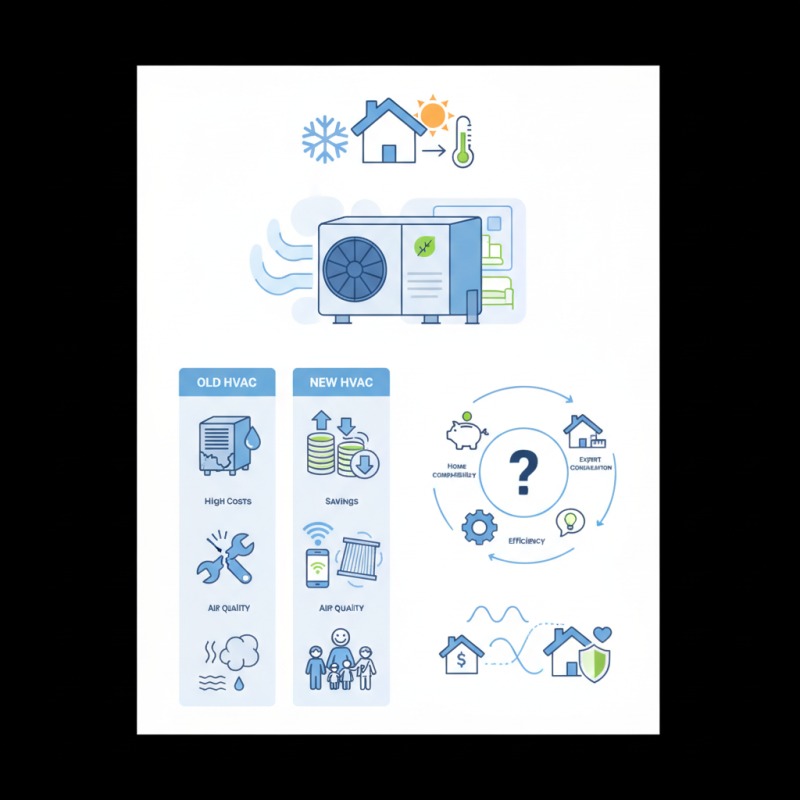
When considering home comfort, investing in new HVAC units can be a game changer. These systems are designed to efficiently heat and cool your space, ensuring a consistent indoor climate year-round. Many older units can struggle with energy efficiency, leading to increased utility bills and frequent repairs. This is where new HVAC units shine.
They often come equipped with advanced technology that reduces energy consumption and enhances performance. For example, smart thermostats allow you to control settings remotely, optimizing energy use even when you’re away. The comfort provided by new HVAC units is not just about temperature; it also improves air quality, which is crucial for your family’s health.
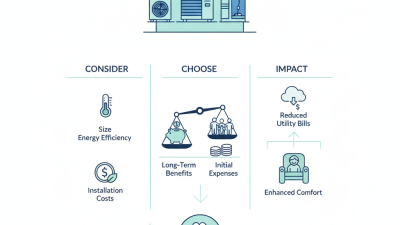
However, a new unit is an investment. One must consider the long-term savings against the initial cost. Not all systems fit every home, and choosing the right one requires careful thought and expertise. Consulting professionals can help you select the best system tailored to your needs, ensuring that the potential benefits are fully realized.
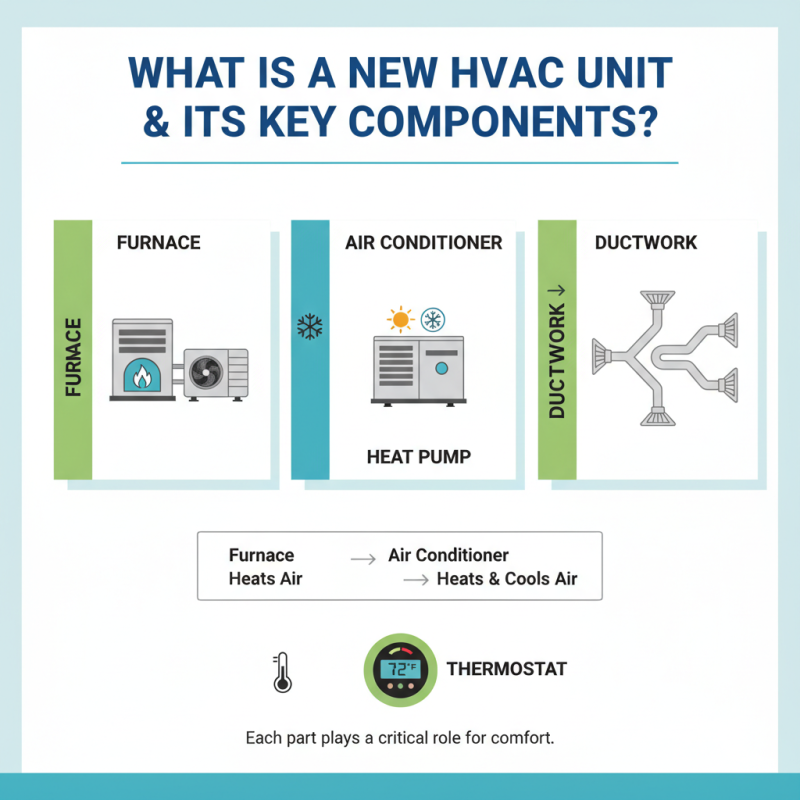
A new HVAC unit consists of several key components. These include the furnace, air conditioner, heat pump, ductwork, and thermostat. Each part plays a critical role. The furnace heats the air, while the air conditioner cools it down. Heat pumps can perform both functions effectively.
Ductwork is vital for distribution, ensuring that heated or cooled air reaches every corner of the home. According to the U.S. Department of Energy, well-designed duct systems can improve heating and cooling efficiency by up to 20%. The thermostat controls temperature settings. Smart thermostats can further enhance energy efficiency. They allow for remote monitoring and scheduling, which leads to energy savings.
Installing a new HVAC unit can reduce energy costs significantly. A study by Energy Star found that newer models can be 20-40% more efficient than older systems. Homeowners could see real benefits here. However, improper installation or neglecting maintenance can lead to inefficiencies. Regular check-ups are essential to maintain optimal performance. Ignoring this could waste energy and result in higher bills.
Upgrading to a modern HVAC system offers numerous benefits for homeowners. One of the most significant advantages is improved energy efficiency. Newer units use advanced technology. This can lower utility bills significantly. Many homeowners notice an immediate drop in energy costs. It helps to save money while also being environmentally friendly.
Modern HVAC systems provide better climate control. They can maintain consistent temperatures in different areas of your home. This results in increased comfort year-round. Additionally, many new units operate more quietly, enhancing your overall living experience. Reliability is another key factor. Older systems often break down, leading to unexpected costs and discomfort. A new unit is less likely to fail unexpectedly.
However, some may hesitate due to the upfront costs. While the initial investment can be high, consider the long-term savings. Regular maintenance can prolong the life of a new system. Think about potential repair costs for an aging unit. They can quickly accumulate. Investing in modern technology is often worth it in the end. Homeowners should weigh these factors when deciding on HVAC upgrades.
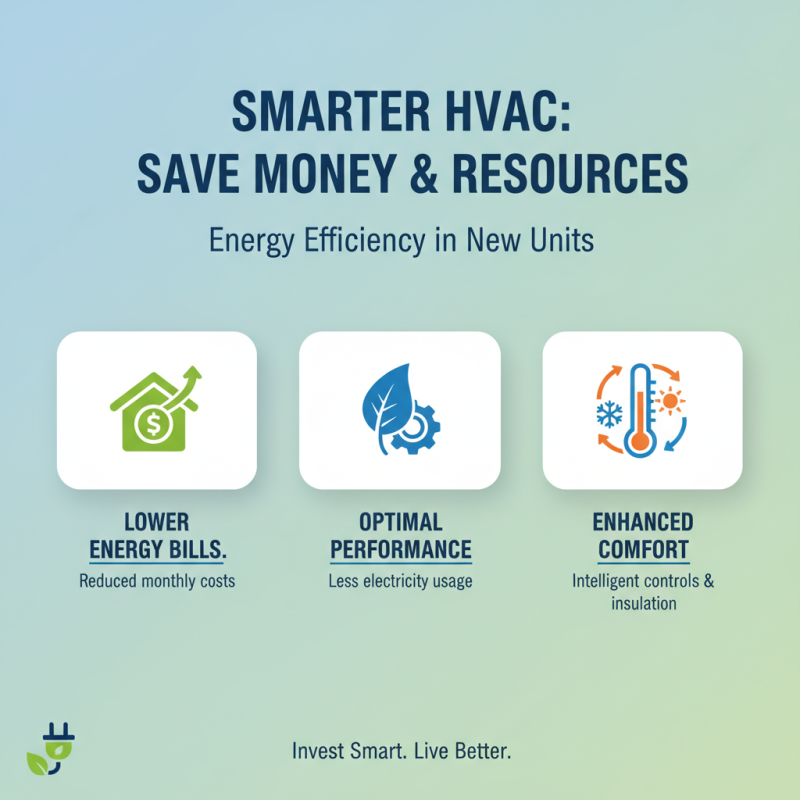
Investing in a new HVAC unit can significantly enhance energy efficiency in your home. Advanced designs minimize electricity usage while maximizing comfort. By incorporating smarter controls and premium insulation, these units operate optimally across varying temperatures. Homeowners can see a reduction in monthly energy bills as these systems consume less power.
Tips for energy savings: Regular maintenance of your HVAC unit is crucial. Clean or replace filters monthly. This simple task improves airflow and efficiency. You should also schedule annual check-ups with a qualified technician. They can identify potential issues early and ensure your system runs smoothly.
Consider smart thermostats as well. These devices learn your schedule and adjust temperatures accordingly. By using these tools, you can further reduce energy waste. Many new units come with programmable features that add convenience. In some cases, it takes more effort to adjust settings manually, but smart technology helps home energy use remain consistent.
The installation of a new HVAC unit is a significant endeavor for any homeowner. This process often begins with a thorough assessment of your home’s layout and insulation needs. A licensed technician will review the square footage, number of rooms, and existing ductwork. This is crucial for ensuring the new system operates efficiently. Accurate sizing is essential; an oversized unit can lead to high energy bills and inconsistent temperatures.
Once the assessment is complete, the technician will recommend the appropriate unit. Installation typically involves several steps. First, they will remove the old system and prepare the space. This may require modifications to your home's ductwork.
After that, the new unit is carefully positioned, and connections are made. The technician will ensure all electrical and refrigerant lines are secure. It's important to remember that complications can arise during installation. Unexpected issues with older homes or existing wiring may delay the process.
Proper installation is vital to the unit’s performance and longevity. Make sure to ask questions during this phase. Clarifying details can help prevent misunderstandings later. Engaging with professionals who have extensive experience is key to a successful installation.
Maintaining a new HVAC unit is crucial for its longevity and efficiency. Regular maintenance can enhance the lifespan of your system, saving you money on repairs. According to the U.S. Department of Energy, proper HVAC maintenance can improve system efficiency by up to 15%. You want to maximize these benefits!
One tip is to change your air filter regularly. Clogged filters can disrupt airflow, making your unit work harder. A good rule of thumb is to check your filters every month. Replace them every three months for optimal airflow.
Another important step is scheduling a professional inspection at least once a year. Technicians can identify potential issues before they escalate. A professional can clean the system and ensure it runs at peak performance. With regular inspections, you can expect fewer breakdowns and lower energy bills.
Lastly, keep the outdoor unit free from debris. Leaves and dirt can obstruct airflow. Ensuring at least two feet of clearance around the unit helps maintain efficiency. Regular maintenance is not just a suggestion; it’s a necessity for long-term comfort and savings.