In the quest for efficient climate control, industrial HVAC companies play a critical role. The global HVAC market is projected to reach $240 billion by 2025, according to a recent report by MarketsandMarkets. Such growth underscores the importance of selecting the right provider. Industry expert Dr. John P. Smith states, "Choosing the right HVAC company can significantly impact operational efficiency and cost savings."
Many manufacturers struggle with outdated systems, leading to inefficiencies. The Environmental Protection Agency reveals that improper HVAC equipment can lead to a 30% increase in energy costs. This highlights the need for updated solutions that not only enhance performance but also comply with sustainability standards.
Buyers seeking these solutions must consider reliability and innovation. Many companies claim to offer comprehensive services. Yet, a lack of transparency can lead to misunderstandings. As the industry evolves, recognizing reputable industrial HVAC companies is essential for making informed decisions. The stakes are high, and reflection on past choices is crucial to avoid costly errors in the future.
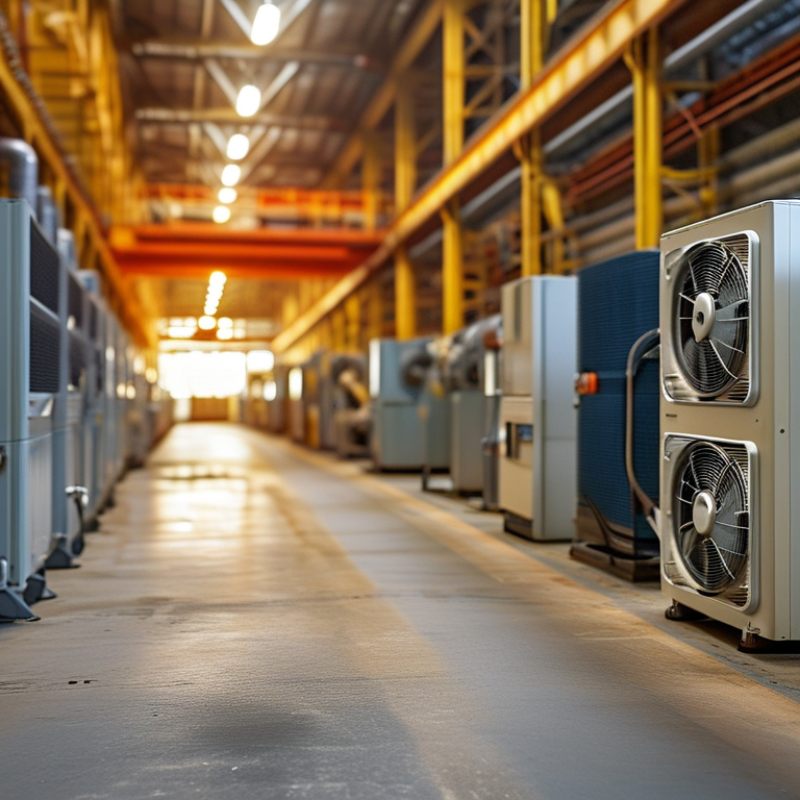
The industrial HVAC industry plays a pivotal role in various sectors, including manufacturing, healthcare, and data centers. According to a market report by Grand View Research, the global HVAC market is projected to reach $255 billion by 2027, growing at a compound annual growth rate (CAGR) of 5.3%. This surge is driven by advancements in technology and increased demand for energy-efficient systems. Moreover, the integration of IoT in HVAC systems contributes to enhanced efficiency and better monitoring.
As companies strive for sustainability, there is a noticeable shift toward eco-friendly solutions. However, transitioning to these advanced systems can pose challenges. A study by MarketsandMarkets estimates that the HVAC controls market alone will grow from $15.7 billion in 2020 to $21.4 billion by 2025. Many businesses are grappling with the initial costs and complexities of installation. These hurdles often delay the adoption of newer technologies despite their long-term benefits.
The increasing focus on air quality also influences HVAC trends. Reportedly, nearly 60% of buildings in the U.S. face issues with indoor air quality. As awareness grows, companies must adapt. Implementing comprehensive HVAC solutions requires constant evaluation and adaptation. The willingness to embrace innovation may pave the way for improved air standards, but it requires a deeper understanding of both current systems and emerging technologies.
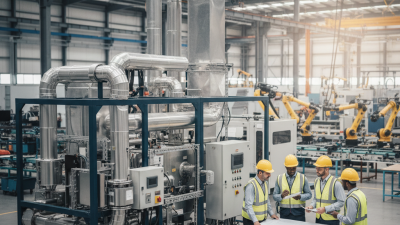
Industrial HVAC solutions are vital for maintaining optimal conditions in manufacturing facilities. Modern systems focus on improving energy efficiency and indoor air quality. Innovations include smart controls that adapt based on real-time data. These systems can significantly reduce energy consumption, saving costs over time.
Advanced filtration technologies are another crucial feature. They enhance air quality by capturing particulate matter and harmful pollutants. Many systems now integrate sensors to monitor air quality continuously. This allows for proactive adjustments, ensuring a safe working environment. Implementing such solutions can pose challenges, including the upfront investment and complexity of installation.
Reliability remains a key concern for buyers. Regular maintenance and effective support from manufacturers are essential. Users often report difficulties in finding the right service providers. These factors can impact the overall effectiveness of HVAC systems. Continuous improvements in technology and service offerings will be vital in addressing these gaps.
| Feature | Details | Innovation Type |
|---|---|---|
| Energy Efficiency | High-efficiency systems that reduce energy consumption | Technology Upgrade |
| Smart Controls | IoT-enabled systems for remote monitoring and control | Intelligent Solutions |
| Sustainable Materials | Use of recycled and eco-friendly materials in units | Sustainability Initiative |
| Compact Design | Space-saving models for efficient installation | Design Innovation |
| Advanced Filtration | High-performance filters for improved air quality | Health & Safety |
| Modular Systems | Flexible solutions for various industrial needs | Customization |
| Noise Reduction | Quieter operation for a better working environment | Comfort Improvement |
When considering industrial HVAC solutions, global buyers seek companies with a strong reputation for quality and reliability. Leading HVAC companies emphasize expertise in air conditioning, heating, and ventilation. They provide tailored solutions to meet specific industrial needs, including energy efficiency improvements and advanced climate control systems.
In recent years, many HVAC companies have expanded their services. They offer maintenance programs, remote monitoring systems, and innovative technologies. This transition responds to growing demands for sustainability. Organizations look for systems that minimize environmental impact while maximizing comfort and performance. Some companies also focus on enhancing user experience by integrating smart technology into HVAC systems.
Despite the advancements, challenges persist in the HVAC industry. Buyers often face difficulty in finding the right solutions. Not all companies provide comprehensive support or customization options. It's essential to conduct thorough research and assess vendors based on expertise and service delivery. Seeking professional insights can help buyers navigate the complex landscape of industrial HVAC solutions effectively.
When selecting an industrial HVAC provider, several factors need careful consideration. First, assess the provider's experience in the industry. A company with over a decade of experience often understands complex system requirements. According to the International Energy Agency, HVAC systems account for approximately 40% of energy consumption in commercial buildings. Knowledgeable providers help create energy-efficient solutions.
Another crucial aspect is the variety of services offered. Many companies specialize in different areas, such as design, installation, or maintenance. A one-stop-shop can simplify communication and project management. Recent reports indicate that integrated service providers can reduce lifecycle costs by 15% to 30%. This highlights the importance of selecting a provider that can meet diverse needs.
Finally, consider customer support and technical expertise. Effective support can significantly affect operational efficiency. Many providers claim to have excellent customer service, yet not all deliver as promised. Regular follow-ups and feedback mechanisms are vital. A reliable provider should be willing to adapt and address issues promptly. This fosters a more collaborative and productive relationship.
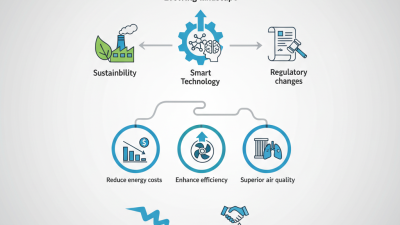
The industrial HVAC landscape is rapidly evolving, driven by sustainability and technology.
Companies are increasingly focused on energy-efficient solutions. This shift reflects a broader trend towards reducing carbon footprints.
Innovations in smart HVAC systems are emerging as game-changers. These systems enable remote monitoring and real-time data analysis.
They help maintain optimal indoor conditions with minimal energy waste.
It's crucial to stay updated on industry trends. Engage with thought leaders through webinars or online forums.
This interaction can provide valuable insights into emerging technologies. Regularly assessing your system's performance is also vital.
Data analytics will play a major role in decision-making. Companies leveraging big data will optimize operations more effectively.
However, challenges persist. Many organizations struggle to implement these advanced systems.
The learning curve can be steep. It’s essential to allocate time and resources for proper training.
Mistakes can lead to inefficiencies and higher costs. Reflect on these aspects as you navigate the changing HVAC landscape.