Skip to content

Top 10 Industrial HVAC Units in China for Global Buyers?

In the ever-evolving landscape of industrial HVAC units, understanding market dynamics is crucial for global buyers. Leading expert Dr. John Smith, a recognized figure in HVAC engineering, emphasizes, "The efficiency of industrial HVAC units determines enterprise competitiveness." This statement underscores the importance of choosing the right system in today’s competitive market.

China stands out as a key player, producing advanced industrial HVAC units tailored for diverse sectors. These units not only meet stringent environmental standards but also integrate smart technology. For buyers, the challenge lies in navigating numerous options while ensuring quality and reliability. With rapidly changing regulations, analyzing the specific needs of their facilities becomes essential.

Moreover, the journey to find the perfect industrial HVAC unit is not always straightforward. Buyers must consider factors such as energy efficiency, maintenance costs, and overall performance. Although many brands boast innovative features, some may fall short in real-world applications. It is essential to reflect on feedback and case studies to make informed decisions.
Top 10 Industrial HVAC Units in China for Global Buyers?

Overview of the Industrial HVAC Market in China

The industrial HVAC market in China has been expanding rapidly. It is projected to reach a value of USD 12 billion by 2025, according to recent industry reports. This growth is driven by increasing energy efficiency demands and urbanization. As cities expand, the need for reliable heating, ventilation, and air conditioning systems rises.

China's industrial sector heavily relies on HVAC systems for optimal operation. Industries such as manufacturing, food processing, and pharmaceuticals require precise climate controls. Recent data suggests that energy efficiency standards in China are among the strictest worldwide, pushing manufacturers to innovate and create systems that consume less energy.

However, challenges remain. Many companies still face difficulties in adopting advanced technologies. Some systems are outdated, leading to inefficiencies. The focus on sustainable practices is crucial, yet implementation can be inconsistent across regions. Continuous investment in research and development will be vital for overcoming these obstacles and ensuring competitive advantages in the global market.

Key Features of Top Industrial HVAC Units

In the industrial HVAC market, efficiency and reliability are paramount. A recent industry report highlighted that energy efficiency ratings have become a critical consideration for buyers. Many new HVAC units now offer integrated smart technologies. These features enhance monitoring and control while reducing energy costs significantly. Data shows that smart HVAC systems can cut energy consumption by up to 30%.

Another essential feature is the adaptability of HVAC units to various industrial environments. Flexibility in installation and operation allows for customization. For instance, units capable of handling extreme temperatures or high humidity levels are in high demand. According to the latest market analysis, the need for versatile HVAC systems has risen by 15% year-on-year. This adaptability leads to improved operational efficiency.

Maintenance is another area needing attention. Many industrial buyers underestimate the importance of ongoing maintenance strategies. An efficient HVAC unit requires regular checks to avoid sudden failures. Reports indicate that poorly maintained HVAC systems can lose up to 20% of their efficiency. Consequently, establishing a proactive maintenance plan is crucial for maximizing longevity and performance.

Analysis of Leading Brands and Models Available

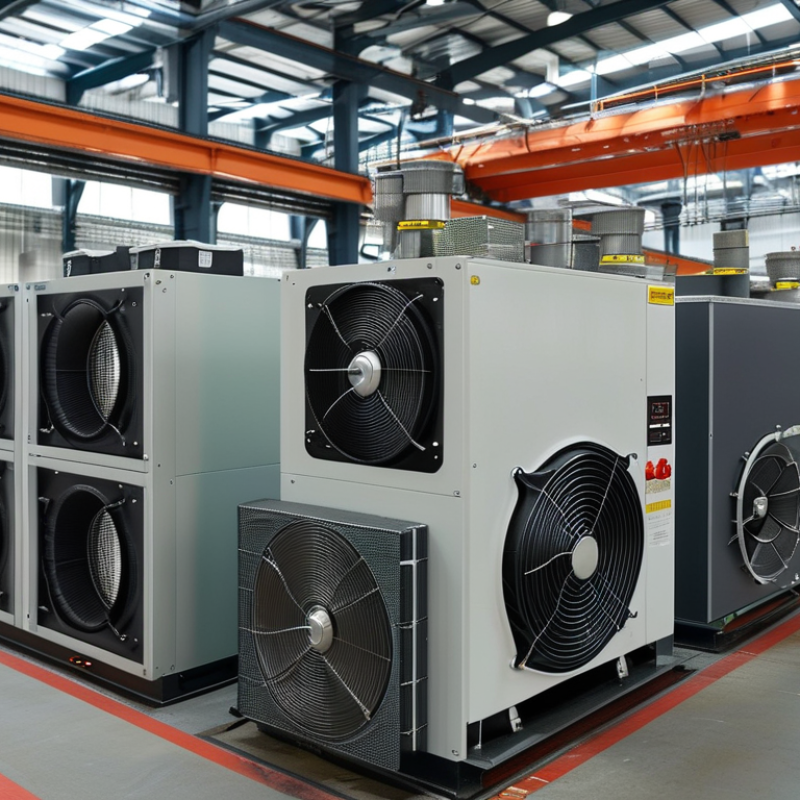
When considering industrial HVAC units in China, it's essential for global buyers to understand the key brands and their offerings. Many manufacturers provide a range of models suited for different industrial applications. These models often feature advanced technology for energy efficiency and easy integration into existing systems. One can see varying designs focused on specific energy requirements and environmental conditions.

It's interesting to note that while China produces numerous excellent units, some products exhibit inconsistencies in quality control. Buyers might find that not all manufacturers adhere to the same rigorous standards. Additionally, the after-sales support can vary widely among sellers. This inconsistency poses a challenge for international buyers who prioritize reliable performance.

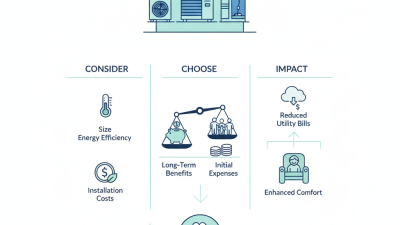
Buyers should also examine the energy ratings of these units. A balance between initial investment and long-term savings is crucial. Selecting a model with certified efficiency can lead to significant cost reductions. However, one must not overlook the potential need for additional components or software for optimal operation. This could lead to unexpected expenses that complicate decision-making. Therefore, thorough research is vital to make informed choices in this competitive market.

Comparative Performance Metrics and User Reviews

When exploring industrial HVAC units in China, performance metrics and user reviews are paramount. Buyers often prioritize efficiency, durability, and ease of use. Comparing these metrics can help stakeholders make informed decisions.

User reviews highlight specific benefits and drawbacks of different units. Some units excel in energy efficiency while others are praised for their low noise levels. However, many users report issues with maintenance. This inconsistency can be a red flag. Ensure to read between the lines in the reviews.

Tips: Always check for real user feedback. Look for common themes in reviews. Pay attention to long-term performance as well. Consider how the unit performs in extreme conditions. This can influence overall reliability. Decision-making should consider both immediate needs and potential future demands.

Future Trends in Industrial HVAC Technology in China

The industrial HVAC sector in China is evolving rapidly. Technologies now focus on energy efficiency and sustainability. Reports estimate that energy-efficient HVAC systems can reduce operational costs by 30%. This shift is driven by rising energy prices and government regulations pushing for lower emissions. Innovations in smart HVAC systems are gaining traction. These systems use IoT technology to optimize energy use in real-time.

Electric and hybrid systems are on the rise. These alternatives provide cleaner energy sources, appealing to eco-conscious companies. According to industry analysis, electric HVAC systems are projected to gain a 15% market share by 2025. Yet, not all manufacturers have adapted. Many still rely on traditional systems, reflecting a gap in innovation. This disparity raises questions about future competitiveness.

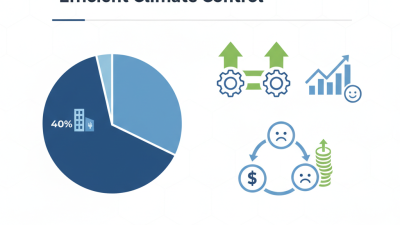
Challenges remain in implementation. Training staff for new technologies often lags behind innovations. Market data indicates that nearly 40% of HVAC installations in China still use outdated systems. Reliable data points to a need for heightened awareness and training. As the industry advances, addressing this training gap is crucial for maximizing technology benefits. This dynamic landscape illustrates the need for continuous adaptation and improvement.