What is Industrial HVAC Units and How Do They Work?
Industrial HVAC units play a crucial role in maintaining optimal indoor conditions in various facilities. According to a report by the U.S. Department of Energy, industrial heating, ventilation, and air conditioning is responsible for nearly 30% of energy consumption in commercial buildings. This reflects the importance of optimizing these systems for efficiency and effectiveness.
These systems are designed to provide comfort, ensure air quality, and meet regulatory standards. For instance, a well-implemented industrial HVAC system helps minimize operational costs while enhancing productivity. Proper air distribution and temperature control can significantly impact employee performance and equipment reliability. However, many facilities struggle with outdated systems that do not meet modern standards.
As industries evolve, there is a growing need for advanced technology in HVAC units. Data from the American Society of Heating, Refrigerating, and Air-Conditioning Engineers (ASHRAE) highlights the demand for innovative solutions. While many organizations invest in new technologies, some still overlook regular maintenance. This oversight can lead to inefficiencies and safety risks. Understanding industrial HVAC units is crucial for sustainable operations.
What Are Industrial HVAC Units? An Overview of Their Components
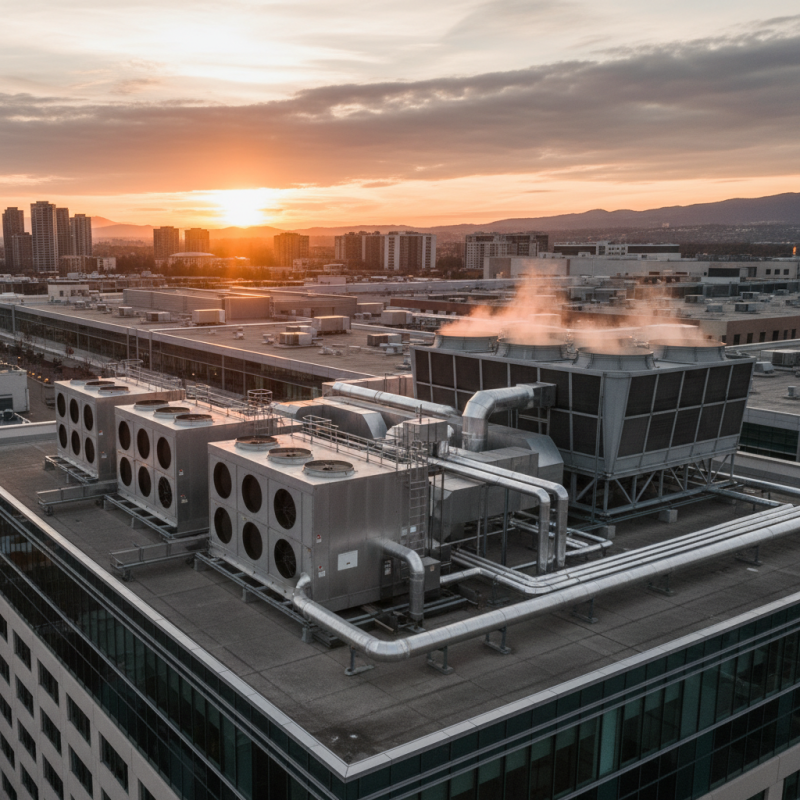
Industrial HVAC units play a crucial role in maintaining optimal climate conditions. Their components include chillers, boilers, and air handlers, which work together to provide effective heating, cooling, and ventilation. According to a 2021 industry report, climate control solutions in commercial settings account for about 40% of energy use, emphasizing the importance of efficient HVAC systems.
One key element is the chiller, which removes heat from the building's air. It uses refrigerants to absorb and dissipate heat effectively. Boilers, on the other hand, generate steam for heating. This synergy creates a balanced environment for workers and machinery alike. Research indicates that poorly maintained HVAC systems can lead to an increase in energy consumption by up to 30%. Regular maintenance is necessary for efficiency.
Air handlers are another critical part of the system. They regulate airflow and filter particulates. Effective filtration can reduce indoor air pollutants significantly, which is vital for employee health. A study revealed that 15% of the workforce suffers from poor indoor air quality, leading to decreased productivity. As industries innovate, the challenge lies in adapting HVAC technologies to meet changing regulations and energy demands.
What is Industrial HVAC Units and How Do They Work? - Overview of Their Components
| Component |
Function |
Typical Efficiency (%) |
Maintenance Frequency (Months) |
| Chiller |
Cools the fluid used in air conditioning |
85 |
6 |
| Cooling Tower |
Dissipates heat from the chillers |
80 |
12 |
| Air Handling Unit (AHU) |
Distributes conditioned air throughout the building |
90 |
3 |
| Ductwork |
Carries air to and from the AHUs |
N/A |
24 |
| Heat Exchanger |
Transfers heat between two or more fluids |
75 |
12 |
Key Features and Functions of Industrial HVAC Systems Explained
Industrial HVAC systems play a crucial role in maintaining optimal conditions within large facilities. These systems regulate temperature, humidity, and air quality. They ensure a comfortable and safe working environment, which can boost productivity. Key features include powerful compressors, extensive ductwork, and advanced control units. Each component works together to provide efficient heating and cooling.
Proper maintenance is essential. Regularly check filters for cleanliness. Clogged filters can reduce efficiency. It’s also vital to inspect the duct system for leaks. Leaks can lead to energy loss and higher costs. Over time, some parts may wear out and need replacement.
When designing an industrial HVAC system, consider the specific needs of the facility. Some areas may require more cooling or heating than others. Factors like machinery heat output and occupancy levels play a role. Balancing these elements can be challenging, but it is necessary for efficiency.
Don't underestimate the importance of automation. Modern controls can optimize energy use and adjust to changing conditions seamlessly.
The Role of Industrial HVAC in Energy Efficiency and Sustainability
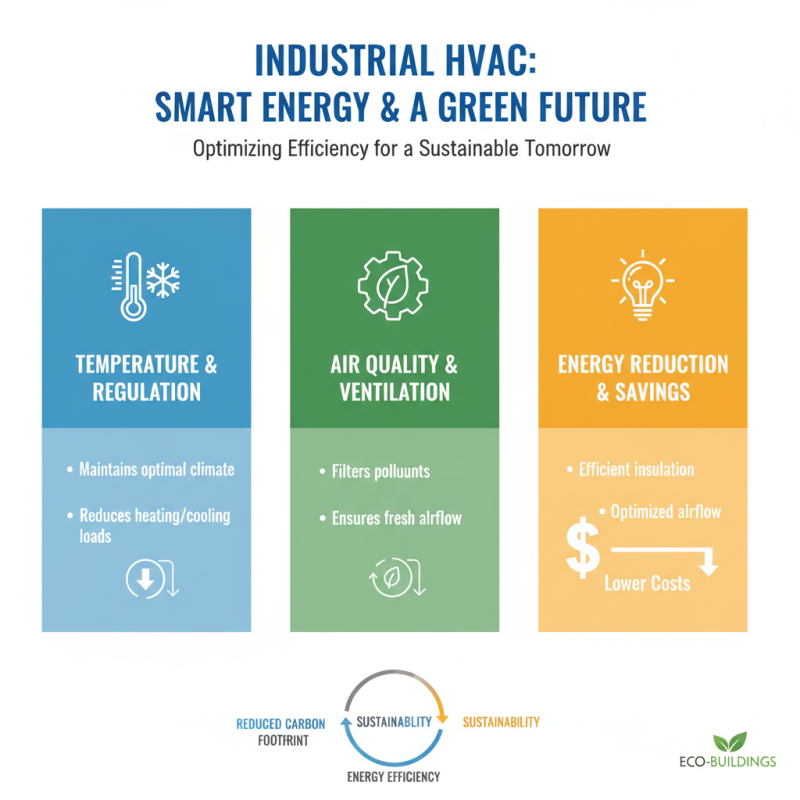
Industrial HVAC systems play a crucial role in energy efficiency and sustainability. These systems help regulate temperature, humidity, and air quality in large facilities. By optimizing these factors, industries can reduce energy consumption significantly. For instance, proper insulation and efficient airflow can minimize the energy needed for heating and cooling.
Sustainability in industrial HVAC goes beyond energy savings. It involves using eco-friendly refrigerants and advanced filtration systems. These systems can help reduce greenhouse gas emissions and improve indoor air quality. Many industries still struggle with outdated systems, which can lead to unnecessary resource depletion. Adopting modern HVAC practices can create a significant positive impact.
When evaluating industrial HVAC, organizations must also consider lifecycle costs. Initial installation may be expensive, but long-term savings are usually substantial. Regular maintenance is essential to ensure efficiency in the long run. Neglecting this often leads to higher operating costs and increased energy consumption. Being aware of these factors is critical for achieving true sustainability.
How Industrial HVAC Units Work: A Step-by-Step Breakdown
Industrial HVAC units are essential for maintaining a comfortable environment in large facilities. Understanding how they function is crucial for efficient use. These systems primarily regulate temperature, humidity, and air quality. The complexity of these units often raises questions about their operation.
The heart of industrial HVAC systems is the chiller or boiler. Chillers cool the air while boilers heat it. Air flows through ductwork and a series of filters. These filters remove dust and pollutants. Air handlers distribute conditioned air throughout the building. This process ensures every corner receives adequate heating or cooling.
Incorporating sensors is vital for effective control. Sensors monitor temperature and humidity levels. They send data to the control system, which adjusts settings. Regular maintenance helps avoid issues. Neglected systems lead to inefficiency and potential breakdowns. Even with advanced technology, human oversight is necessary. Over-relying on automation might miss out on minor problems needing attention. Proper training for staff can improve system reliability significantly.
Common Applications and Benefits of Industrial HVAC Systems in Various Sectors
Industrial HVAC systems play a crucial role in maintaining optimal working conditions across various sectors. These systems are found in manufacturing plants, warehouses, and hospitals. They control temperature, humidity, and air quality. In a manufacturing facility, precise temperature control enhances product quality. Proper air circulation minimizes dust and contaminants, which can impact processes.
In healthcare settings, industrial HVAC improves patient comfort. Clean air is vital to prevent infections. Hospitals require strict temperature and humidity regulations to ensure the efficacy of medical equipment. Meanwhile, in commercial spaces, these systems can enhance employee productivity by creating a comfortable work environment.
However, implementing HVAC systems isn’t without challenges. There can be significant initial costs. Maintenance routines are critical but can sometimes be overlooked. Inefficient systems can lead to energy waste. Regular checks and updates are essential. This ensures both reliability and efficiency. Investing in skilled technicians for installation and maintenance can mitigate potential issues, fostering a sustainable environment.
Industrial HVAC Systems: Common Applications and Benefits
The bar chart above illustrates the efficiency ratings of Industrial HVAC systems across various sectors such as Manufacturing, Healthcare, Data Centers, Commercial Buildings, and Food Processing. These ratings highlight the effectiveness of these systems in maintaining optimal environmental conditions in different industrial applications.