Skip to content

Top New HVAC Units for Global Buyers 2026 Trends?

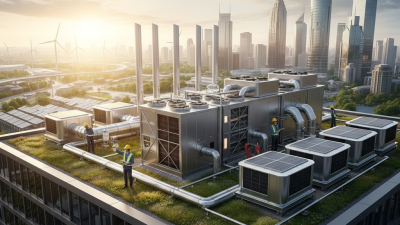
As the HVAC industry evolves, the demand for new HVAC units is increasing steadily. According to a recent report by MarketsandMarkets, the global HVAC market is projected to reach $200 billion by 2026, driven by innovations in energy efficiency and sustainability. Experts note that the shift towards greener technologies is reshaping the landscape. Dr. Emily Carter, a leading HVAC specialist, emphasizes, "New HVAC units must focus on energy conservation to combat climate change effectively."

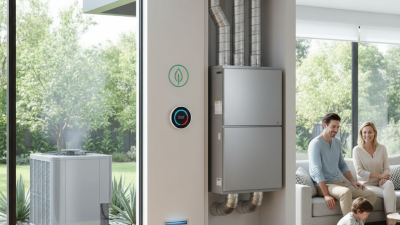
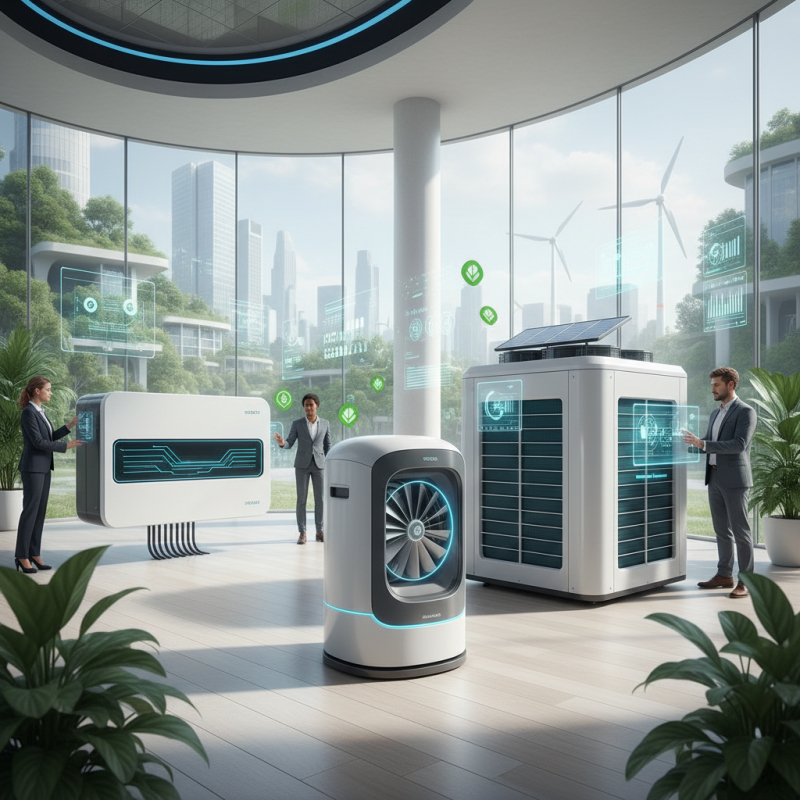
In 2026, buyers will see a broader range of options for new HVAC units. These advancements are not only about enhanced efficiency but also smart technology integration. Integrating IoT capabilities into new HVAC units allows for greater control and monitoring, optimizing energy use. For instance, companies like Carrier and Trane are investing heavily in systems that can learn and adapt to user preferences.

However, challenges remain. The high upfront cost of these new HVAC units can deter consumers. Furthermore, adapting to rapidly changing technologies demands continuous learning from both manufacturers and buyers. As we look towards the future, it’s crucial to address these hurdles while ensuring the HVAC industry plays its part in a sustainable world.
Top New HVAC Units for Global Buyers 2026 Trends?

Emerging HVAC Technologies Transforming Global Markets in 2026
Top New HVAC Units for Global Buyers 2026 Trends?

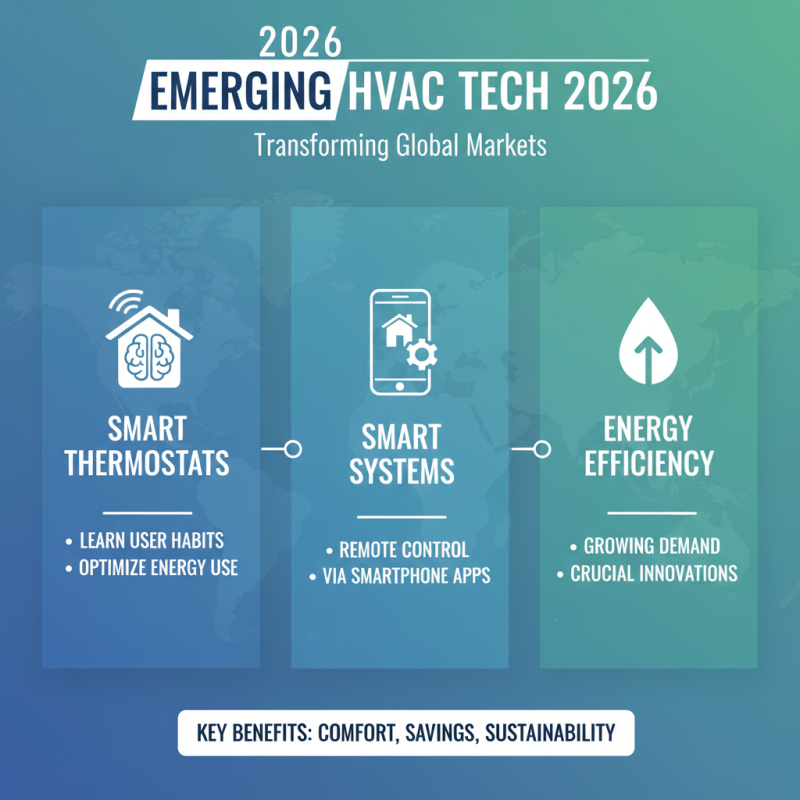
Emerging HVAC technologies are shaping the global market in 2026. As the demand for energy efficiency grows, innovations become crucial. Smart thermostats are leading the charge. They learn user habits, optimizing energy use. Smart systems also enable remote control via smartphone apps. This capability is a game changer for both homeowners and businesses.

While technology progresses, challenges remain. High upfront costs can deter buyers. Many consumers hesitate to invest due to perceived complexity. Addressing these concerns requires education and support from professionals. Building trust is vital for widespread adoption. Moreover, the integration of renewable energy sources is still developing. The potential is immense, but practical issues need solutions.

The trend towards sustainable HVAC solutions is undeniable. Advances in HVAC systems can significantly reduce carbon footprints. Education about these technologies is essential for consumers. It is important to highlight both the benefits and limitations. Information should empower informed decisions. As trends evolve, stakeholders must adapt to remain competitive in this dynamic market.
Key Features and Innovations in 2026's Best HVAC Units

In 2026, the HVAC industry continues to evolve significantly. Buyers around the globe seek units that integrate energy efficiency with innovative technologies. Advanced smart features have become standard. These systems can now monitor indoor air quality in real-time. Users receive alerts when air quality declines, helping ensure healthier environments.

Another key innovation is the shift towards eco-friendly refrigerants. Traditional refrigerants often contribute to environmental issues. New units employ refrigerants with lower global warming potential. This change aligns with global sustainability goals and regulations. Many units now also feature enhanced filtration systems. These systems trap smaller particles effectively, promoting cleaner indoor air.

However, not all manufacturers prioritize performance equally. Some systems boast impressive metrics but underdeliver in real-world conditions. Durability and maintenance remain concerns for many users. Selecting a reliable unit requires careful consideration and research. Potential buyers should refer to expert reviews and user experiences for informed decisions.

Sustainability Trends Driving HVAC Unit Development for 2026

As we move toward 2026, sustainability is at the forefront of HVAC unit development. Manufacturers are increasingly focusing on energy-efficient technologies. These innovations aim to reduce energy consumption while improving indoor air quality. The use of natural refrigerants is also gaining traction, minimizing environmental impact. Many units now feature advanced filtration systems, which target allergens and pollutants effectively.

Buyers are more discerning than ever. They seek HVAC systems that align with eco-friendly practices. This trend has prompted companies to re-evaluate their manufacturing processes. It’s not just about meeting regulations; it’s about exceeding them. While these advancements are promising, challenges remain. Achieving balance between affordability and sustainability is crucial. The industry must find ways to innovate without passing costs onto consumers.

In addition to energy efficiency, durability is another focus. Many new units are designed to withstand harsh conditions and require less maintenance. This reduces waste over time. However, the rapid pace of innovation can overwhelm some buyers. Education on features and benefits is essential. As the market evolves, understanding what makes a unit truly sustainable will empower consumers to make informed decisions.

Global Buyer Preferences in HVAC Selection for 2026 and Beyond

Top New HVAC Units for Global Buyers 2026 Trends?

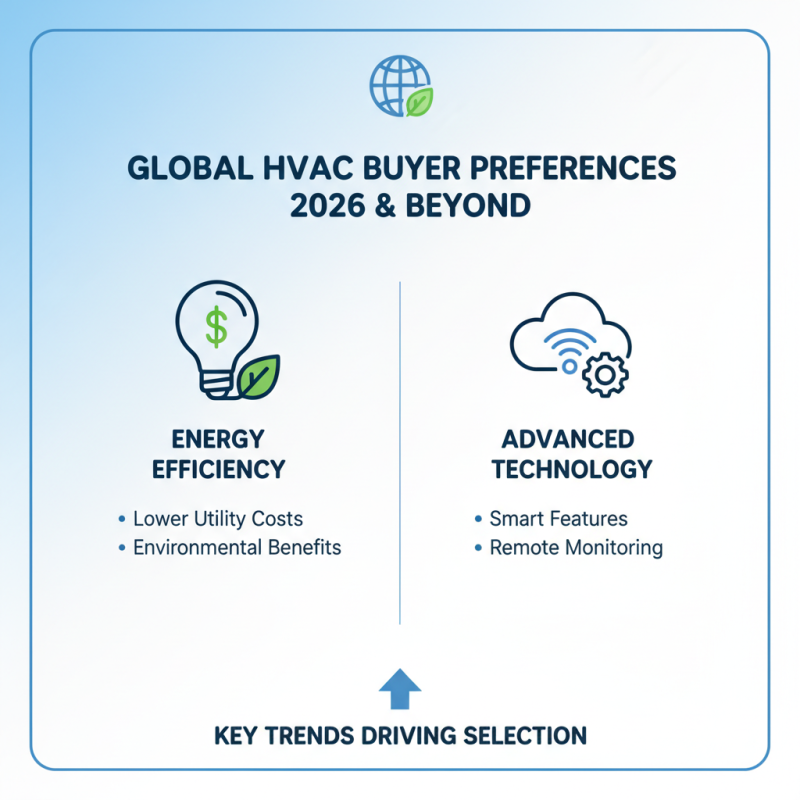
As global buyers look towards 2026, preferences in HVAC units are evolving. Energy efficiency is a significant consideration. Buyers are prioritizing systems that offer lower utility costs and environmental benefits. Advanced technology integration is another key trend. Units with smart features, like remote monitoring, attract attention.

Tips: Consider your climate. Choose HVAC systems that can efficiently handle your local weather conditions. Always assess the unit's energy star rating for better decision-making.

Another area of interest is noise reduction. Quiet operation is highly valued, especially in residential settings. Users want comfort without disruptive sounds. Installations should also focus on ease of maintenance. A simple maintenance schedule can prevent costly repairs later on.

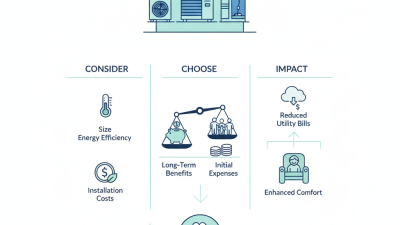
For buyers, understanding warranty terms can lead to better choices. Longer warranties often indicate manufacturer confidence. It’s essential to reflect on long-term costs rather than just the initial price. Investing is not just about spending; it’s about choosing wisely for the future.

Competitive Analysis of Leading HVAC Brands for 2026 Market Trends

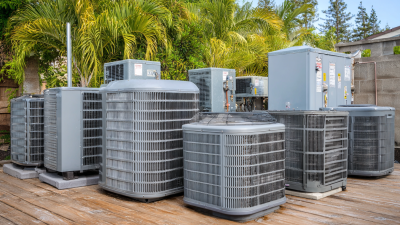
As we approach 2026, the HVAC landscape is evolving rapidly. Leading brands are increasingly prioritizing energy efficiency. This shift stems from rising energy costs and consumer demand for sustainable solutions. The market showcases advanced technologies like smart thermostats and variable speed compressors. These innovations enhance performance and reduce energy consumption significantly.

Furthermore, competitive analysis reveals trends in consumer preferences. Buyers now favor units that balance performance with eco-friendliness. Quiet operation is another aspect gaining attention. Many consumers dislike the noise associated with older systems. This need drives manufacturers to innovate.

Not all brands can adapt swiftly to changing demands. Some lag behind in technology integration and customer engagement. The reliance on traditional methods may hinder future growth. The HVAC industry must remain flexible to thrive in this dynamic market. A focus on reliability and cutting-edge features will determine the leaders in this competitive space.