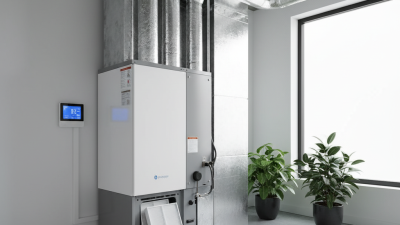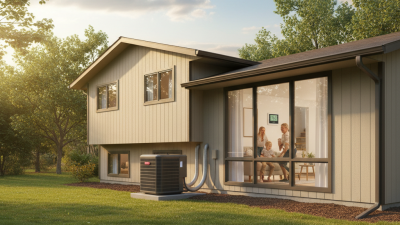
In today’s world, energy efficiency is not just a trend; it’s a necessity. According to Mark Johnson, a leading expert in HVAC technology, "New HVAC systems harness innovative technology to vastly improve energy usage." His insights highlight the critical role that new HVAC systems play in sustainable design.
Modern buildings require systems that can adapt to various environmental challenges. Poorly functioning systems waste energy and increase costs. New HVAC systems offer advanced features like smart thermostats and variable-speed motors. These features enhance performance while ensuring energy conservation.
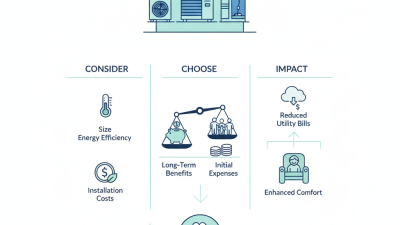
Investing in new HVAC systems is about making the right choice for the environment. Yet, some may hesitate due to initial costs. Balancing upfront investment with long-term savings is crucial. Proper education on the benefits can drive acceptance of these vital systems.
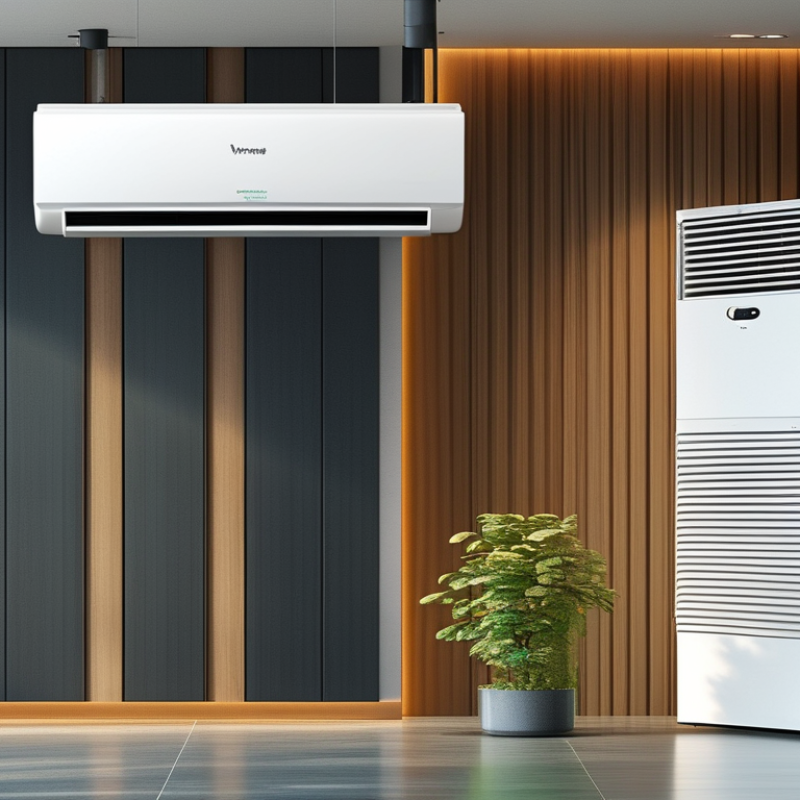
Upgrading to new HVAC systems is crucial for modern homes.
Older systems often struggle with energy efficiency.
They consume more energy than necessary, leading to higher utility bills. This inefficiency can be a burden on household budgets.
New systems provide advanced technology that optimizes energy use.
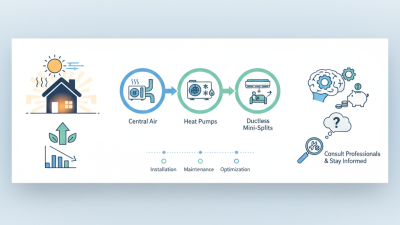
Ductless options, for instance, help regulate temperature more effectively.
Energy-efficient HVAC systems come with various benefits.
They improve indoor air quality, which is essential for families.
Modern units often include better filtration systems. Some can even monitor air quality and adjust settings accordingly.
Investing in these systems might seem costly upfront, but the long-term savings are significant.
However, not everyone may see immediate changes. It takes time to notice lower bills and improved comfort.
Homeowners should weigh the initial investment against future savings.
Transitioning to a modern HVAC system involves planning and careful consideration of home needs.
The technological advances in this area highlight the importance of keeping up with changes for a healthier living environment.
The energy efficiency of HVAC systems is crucial in today’s world. Many countries and regions have established strict energy efficiency standards to combat rising energy costs and environmental concerns. The U.S. Department of Energy mandates minimum energy efficiency requirements for heating and cooling systems. According to recent studies, upgrading to modern HVAC systems can reduce energy consumption by up to 40%.
Current regulations, like the 2023 Energy Conservation Standards, set clear benchmarks for energy efficiency. Systems must achieve certain Seasonal Energy Efficiency Ratios (SEER) and Heating Seasonal Performance Factors (HSPF). Systems with higher ratings use less energy, translating into lower utility bills for homeowners. Yet, many older systems do not meet these standards.
While advancements are impressive, the adoption rate remains slow. Some homeowners hesitate due to upfront costs. Others may not be aware of the efficiency gains possible with newer technology. Energy efficiency isn’t just a technical requirement; it’s vital for sustainable living. Ongoing education and incentives can help bridge this gap, encouraging smarter choices for HVAC systems in homes and businesses.
Modern HVAC systems have evolved significantly due to technological innovations. New designs focus on energy efficiency and user comfort. Smart thermostats are now popular features. They allow users to control temperatures remotely. This can lead to reduced energy consumption and lower utility bills.
Variable refrigerant flow (VRF) technology is another advancement. This system adjusts the temperature based on real-time data. It minimizes energy waste. A well-implemented VRF system can enhance indoor climate control significantly. However, it requires careful planning and installation.
While these technologies offer great benefits, challenges remain. Not all homes can accommodate the latest systems. Installation can also be costly. Homeowners must consider these factors before making changes. Efficient HVAC systems promise more, but they demand an informed approach.
Energy-efficient HVAC systems play a vital role in reducing environmental impact. By optimizing energy use, these systems lower greenhouse gas emissions. Traditional HVAC units often consume excessive electricity, contributing to pollution. In contrast, modern systems utilize advanced technology to minimize waste.
The integration of smart thermostats enables precise temperature control. This feature not only enhances comfort but also promotes energy savings. Improved insulation and variable speed motors further enhance efficiency. As a result, homes and businesses reduce their overall carbon footprint significantly.
However, not all energy-efficient systems are equal. Some users may overlook maintenance needs, which can lead to decreased performance. Awareness about proper care is essential. Investing in quality systems is a step forward, but staying informed about usage and upkeep should not be neglected. Embracing energy-efficient HVAC solutions is not just about technology but also about responsible management.
The transition to new HVAC systems is crucial for homeowners looking to save on energy bills. According to the U.S. Department of Energy, modern HVAC systems can be up to 40% more efficient than older models. This efficiency translates directly into cost savings over time. For instance, replacing a system that is over 15 years old can lead to savings of about $500 annually on energy costs.
Additionally, the Environmental Protection Agency (EPA) notes that an efficient HVAC system reduces energy consumption. This reduction not only leads to lower utility bills but also supports a decrease in overall carbon footprint. Homeowners are increasingly aware of the dual benefits: financial savings and environmental impact. However, the initial investment in a new system can be daunting. Many homeowners hesitate, despite the long-term savings.
Investing in energy-efficient systems can offer meaningful financial rewards. Still, it's essential for homeowners to consider local energy prices and usage patterns. A comprehensive assessment can highlight potential savings, helping guide decisions on replacements. Ultimately, taking a hard look at HVAC efficiency is a crucial step for modern homeowners.
| HVAC System Type | Installation Cost ($) | Annual Energy Savings ($) | Payback Period (Years) | Estimated Lifespan (Years) |
|---|---|---|---|---|
| Standard HVAC | 5,000 | 300 | 16.67 | 15 |
| High-Efficiency HVAC | 8,000 | 500 | 16 | 20 |
| Geothermal HVAC | 15,000 | 1,200 | 12.5 | 25 |
| Ductless HVAC | 7,000 | 400 | 17.5 | 20 |