Upgrading your HVAC system is vital for improving energy efficiency and comfort. According to John Smith, an HVAC industry expert, “Investing in an upgraded system can lead to substantial energy savings and better indoor air quality.” This statement highlights the importance of modernizing your existing heating and cooling setups.
Many homeowners may overlook simple upgrades that can make a significant difference. For instance, installing a programmable thermostat can optimize energy use without sacrificing comfort. Additionally, upgrading your air filters regularly can enhance air quality and system performance. These minor adjustments require little investment but yield considerable benefits.
Moreover, considering a high-efficiency system can be daunting. It's essential to evaluate your specific needs and budget. Reflecting on the potential challenges can help you make informed decisions. An upgrade to your HVAC system not only saves money but also greatly benefits the environment.
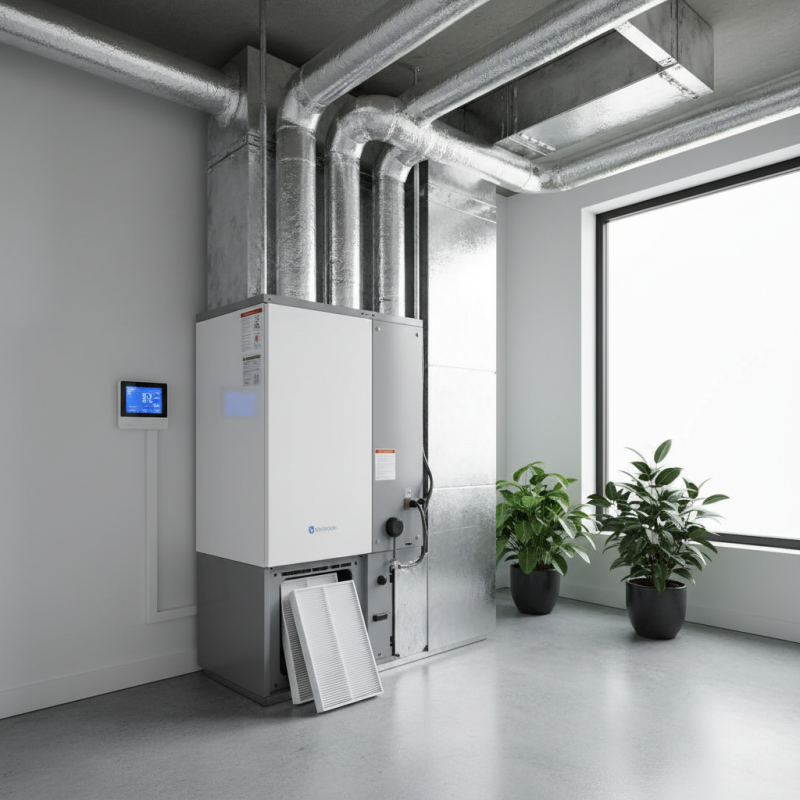
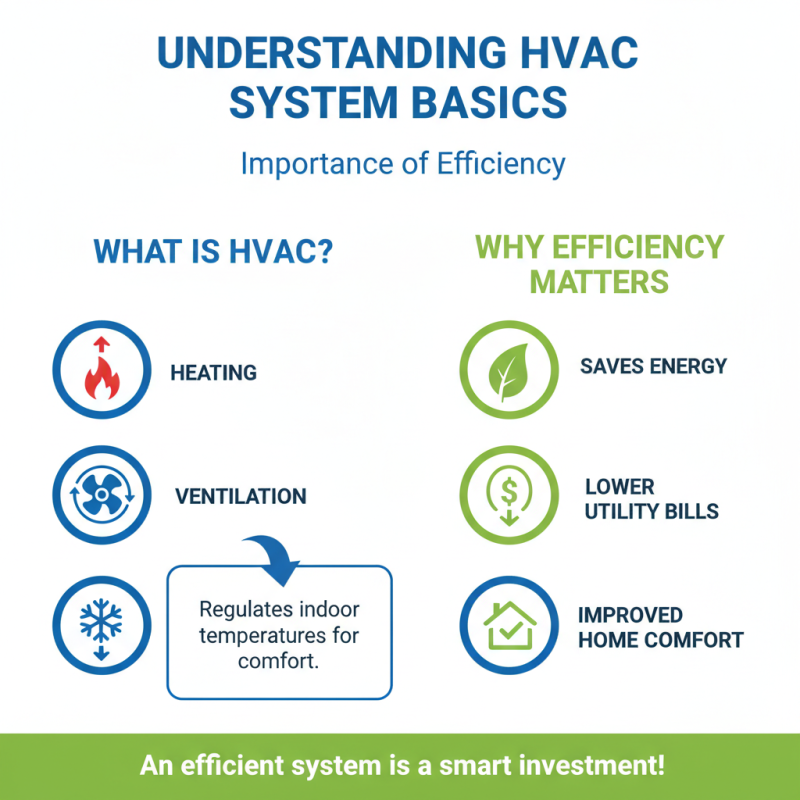
Understanding the basics of HVAC systems is crucial for homeowners. HVAC stands for heating, ventilation, and air conditioning. These systems regulate indoor temperatures to ensure comfort. Efficiency in these systems not only saves energy but also lowers utility bills. An efficient HVAC system can dramatically improve overall home comfort.
Tips for enhancing HVAC efficiency include regular maintenance. Schedule annual inspections to ensure everything operates smoothly. Dirty filters can hinder airflow, making your system work harder. Changing filters every few months is key. Weatherproofing your home may also help. Seal leaks around windows and doors to prevent conditioned air from escaping.
Consider upgrading to a programmable thermostat. This allows you to control temperatures when you're not home. Smart thermostats can learn your behavior, adjusting settings automatically. These upgrades may require an initial investment. However, they often lead to long-term savings and better performance. Reflect on your current system's efficiency and consider changes that fit your lifestyle.
An aging HVAC system can significantly impact your home’s comfort and energy efficiency. According to the U.S. Department of Energy, heating and cooling account for about 48% of the energy consumption in the average American home. If you notice rising energy bills, it might be time to assess your system. A sudden spike in costs could indicate inefficiency or wear.
Pay attention to inconsistent temperatures in your home. If certain rooms are hotter or colder than others, your HVAC may be struggling. Additionally, frequent repairs or strange noises can signify aging components. The Environmental Protection Agency advises that an HVAC system older than 10-15 years may be less efficient, missing out on newer technology that reduces energy consumption.
Investing in a new HVAC system can be beneficial. The energy savings can offset initial costs over time. According to industry reports, newer models can offer up to 30% more efficiency. If your system requires constant repairs, consider that expense as a sign to upgrade. Reflect on your comfort and energy needs to guide this essential decision.
Upgrading your HVAC system can greatly enhance energy efficiency. Consider investing in smart thermostats. These devices learn your schedule and adjust temperatures accordingly. They can reduce energy use significantly. You might save money on utility bills with this small change.
Ventilation systems also play a crucial role. Energy recovery ventilators (ERVs) exchange stale indoor air with fresh outdoor air. They help maintain air quality while minimizing energy loss. Ensure proper insulation around ducts to prevent leaks. Small improvements can make a big difference.
Another option is to explore high-efficiency heat pumps. These systems work by transferring heat rather than generating it. They provide both heating and cooling, making them versatile. A well-installed heat pump can operate up to four times more efficiently than traditional systems. Upgrading to these technologies may feel overwhelming, but the long-term benefits often outweigh the initial challenges.
Installing a new HVAC system requires careful attention to detail. Proper placement of the indoor and outdoor units is crucial for optimal airflow and efficiency. Ensure the indoor unit is in a location that allows for even cooling. Avoid placing it near heat sources or in corners. This small detail can make a significant difference in performance.
Regular maintenance is essential once the system is installed. Schedule routine inspections to clean filters and check refrigerant levels. Neglecting these tasks can lead to inefficiency and higher energy bills. Many people overlook the importance of this step. Even simple actions, like sealing ducts, can improve efficiency significantly.
Monitoring your system's performance regularly is vital. If you notice unusual noises or fluctuating temperatures, address issues promptly. Waiting can lead to more significant problems and costly repairs. It’s also wise to educate yourself about system components. Understanding how they work can empower you in maintaining them better. Investing time in these areas can enhance your HVAC system’s longevity and efficiency.
Upgrading your HVAC system can be a significant investment, but government incentives can reduce costs substantially. Many states offer tax credits, rebates, and grants for energy-efficient upgrades. According to the U.S. Department of Energy, these incentives can cover up to 30% of the total installation cost for energy-efficient systems. This support encourages homeowners to invest in better technology, which can minimize energy consumption.
In 2021, the average homeowner replaced an outdated HVAC system for around $7,000. However, with government programs, this cost can often drop to $4,900 or less. Energy Star estimates that properly upgrading can save homeowners about $200 annually on energy bills. These savings, combined with incentives, make upgrading more appealing. While the application processes for these incentives can be complex, the long-term benefits often outweigh the initial hurdles.
Despite the benefits, not every upgrade qualifies for incentives. Homeowners should do research on local programs. Gathering this information may take time, but it's essential for maximizing savings. Upscaling to efficient systems is a proven path to sustainability. Yet, it's crucial to navigate the various options carefully to ensure eligibility for incentives and achieve the best outcomes.
| Upgrade Type | Efficiency Gain (%) | Estimated Cost ($) | Government Incentives Available |
|---|---|---|---|
| Smart Thermostat Installation | 10-20 | 200-350 | Up to $100 rebate |
| High-Efficiency Air Conditioner | 15-30 | 3000-6000 | Up to $500 rebate |
| Duct Sealing | 10-25 | 1500-3000 | Up to $300 rebate |
| Variable Speed Air Handler | 20-40 | 2500-5000 | Up to $400 rebate |
| Heat Pump Upgrade | 20-35 | 4000-8000 | Up to $600 rebate |