How to Choose the Best HVAC System for Home?
Choosing the right hvac system for home affects comfort, energy use, indoor air quality, and long-term maintenance costs. A quiet bedroom, an evenly heated hallway, and a stable indoor temperature all depend on more than equipment size. Your climate, floor plan, insulation, window quality, and household routines should guide the decision.
Size matters greatly.
An oversized system may cool rooms quickly, but it can cycle too often and leave humidity behind. An undersized unit may run constantly during a summer heat wave. A qualified HVAC professional should perform a load calculation, such as Manual J, instead of relying on floor area alone. This practical step improves accuracy and supports dependable recommendations.
Different homes need different solutions. A heat pump can provide heating and cooling in moderate climates, while a furnace and central air conditioner may suit colder regions. Ductless mini-splits can help older homes with limited ductwork. High-efficiency filters, variable-speed blowers, and smart thermostats may improve comfort, but useful upgrades depend on proper installation.
Looks impressive.
Still, efficiency ratings do not tell the entire story. Installation quality, local repair support, warranty terms, noise levels, and replacement-part availability deserve equal attention. Ask contractors about licensing, insurance, maintenance schedules, and recent project experience. Compare written estimates carefully, including labor and electrical changes.
I once assumed the highest efficiency rating was automatically best. That assumption ignored budget, usage patterns, and poor duct design. This guide examines those details honestly, helping homeowners choose a reliable system that fits their home, climate, and real daily needs.
Understanding Home HVAC Systems and Their Main Components
How to Choose the Best HVAC System for Home?
Understanding Home HVAC Systems and Their Main Components
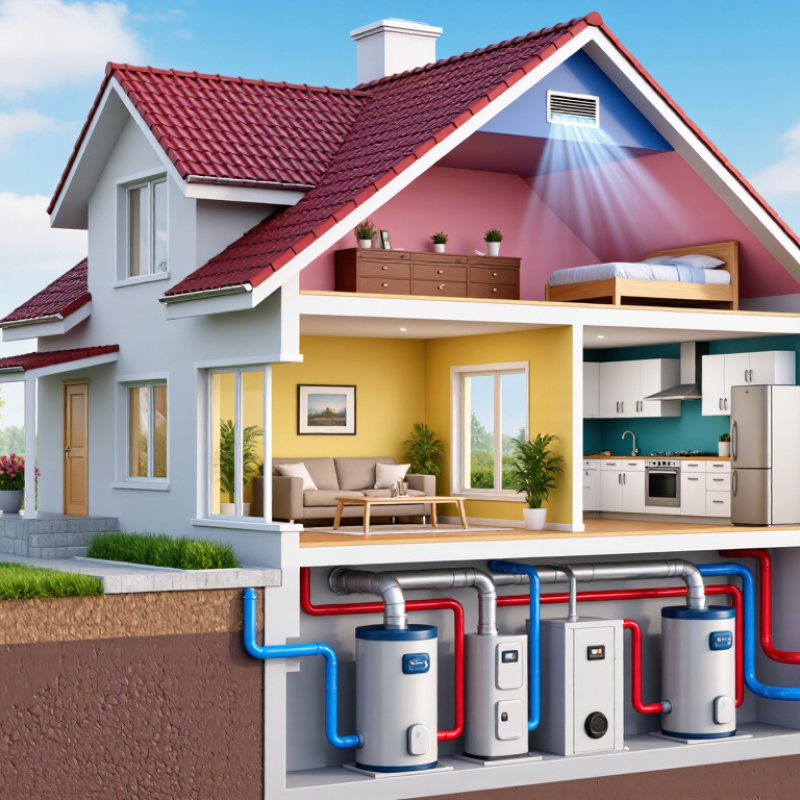
A home HVAC system controls temperature, airflow, humidity, and indoor air quality. Its main parts usually include heating equipment, cooling equipment, ductwork, filters, vents, and a thermostat. A heat pump can move heat instead of creating it. A furnace burns fuel or uses electricity to produce heat. An air conditioner removes indoor heat and releases it outdoors. The thermostat sends temperature signals, but it cannot fix poor airflow or badly sized equipment.
Ductwork deserves careful attention. Leaky ducts can waste conditioned air inside attics, walls, or crawl spaces. Uneven room temperatures may reveal blocked vents, weak insulation, or an oversized system. A professional load calculation should guide equipment sizing. Bigger is not always better. An oversized unit may cycle frequently and leave rooms damp. I have seen homeowners focus on efficiency ratings while ignoring installation quality. That choice can create disappointing results.
Tips: Ask for a written load calculation and inspect the proposed duct design. Check filter access before installation. A filter hidden behind heavy furniture becomes easy to neglect. Choose a thermostat with clear controls and useful scheduling features. Ask how often coils, drains, and safety controls need inspection. Indoor air quality may also require ventilation or humidity control. Local climate matters, too. A system suited to a dry region may perform poorly in a humid home. Reconsider the plan if a contractor avoids explaining these details.
Assessing Your Home’s Heating and Cooling Requirements
Choosing an HVAC system starts with your home, not a showroom display. I begin by recording room sizes, ceiling heights, window exposure, insulation, and air leakage. A sunny west-facing bedroom can feel very different from a shaded hallway. Note that difference. Household routines matter too. Count regular occupants, cooking habits, pets, and rooms used during the day. Local climate data also shapes the decision, especially winter lows and summer humidity.
A qualified contractor should perform a room-by-room heating and cooling load calculation. This is more dependable than matching equipment to floor area alone. Ask how the calculation was made and request the assumptions in writing. Inspect existing ducts for crushed sections, loose joints, and missing insulation. Check the airflow. Poor distribution can waste energy, even with correctly sized equipment. Check the electrical panel, condensate drainage, ventilation, and outdoor equipment clearance. These details are easy to overlook. They should not be.
Comfort is not only a thermostat number. Measure temperature differences between bedrooms, living areas, and upper floors at different times. A basic hygrometer can reveal excessive indoor moisture. I have seen homeowners choose oversized systems because quick cooling felt reassuring. That choice often produced short cycles and uneven humidity. My own first assessment missed afternoon solar gain, so the final design needed adjustment. Start with measurements. Compare noise levels, filter access, maintenance requirements, and expected service life. A licensed professional should verify safety controls, local code requirements, and installation quality before work begins.
Comparing HVAC System Types, Efficiency, and Operating Costs
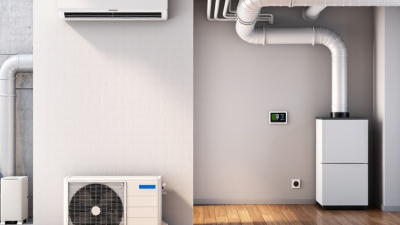
Choosing the best HVAC system requires more than comparing equipment prices. A split heat pump provides heating and cooling through one outdoor unit. It often uses less energy than electric resistance heating. In mild climates, its seasonal efficiency can reduce monthly bills. A gas furnace paired with central air may heat quickly during severe winter weather. However, its operating cost depends on fuel prices, combustion efficiency, and duct losses. Ductless mini-splits suit additions or older homes without usable ductwork. They avoid many duct losses, but several indoor units increase installation complexity. Packaged systems can save space, although service access may be less convenient.
Efficiency ratings need careful reading. Compare SEER2 for cooling, HSPF2 for heat-pump performance, and AFUE for furnaces. A higher rating usually means lower energy use under standardized conditions. It does not guarantee lower bills in every home. An oversized system may cycle frequently, leaving rooms clammy and wasting electricity. An undersized unit may run constantly on a hot afternoon. Ask for a room-by-room load calculation, not a guess based on floor area. That document should reflect insulation, windows, orientation, and local design temperatures. Real performance also depends on commissioning. Poor airflow can erase impressive laboratory efficiency.
Operating costs become clearer with a simple annual estimate. Multiply expected energy use by local electricity or fuel rates. Include filter replacement, inspections, repairs, and likely equipment life. Sealed ducts and a clean coil can matter more than a small rating difference. Comfort complaints often begin with weak airflow, not the equipment type.
I would question any quote promising exact savings without utility data and a load calculation. That limitation is worth admitting.
Budget for controls, drainage, and electrical upgrades when comparing proposals.
Selecting a Qualified Installer and Planning Long-Term Maintenance
Choosing the best HVAC system also means choosing the right installer. A qualified professional should inspect your home, measure each room, and complete a proper heat-loss calculation. Guesswork can create uneven temperatures and higher energy bills. Ask for current licensing, insurance, training, and local references. The installer should explain equipment capacity, airflow, duct condition, thermostat placement, and expected operating costs.
Request a written proposal with labor, materials, warranty terms, permits, and removal fees clearly listed. Do not accept vague promises. A careful installer will test duct leakage, check electrical connections, and verify refrigerant levels after installation. These details often decide whether a system performs quietly or struggles every summer. One practical weakness is easy to miss: homeowners may compare equipment prices but ignore installation quality.
Long-term maintenance should be planned before the first hot or cold season. Schedule professional inspections at least once a year, while filters may need replacement every one to three months. Keep service records, model information, and repair dates in one folder. Clean outdoor airflow areas and check for unusual sounds, weak airflow, or rising utility costs. Small changes matter. Delayed repairs can become expensive.
Tips: Choose an installer who answers questions patiently. Confirm who handles permits and future service. Ask for maintenance pricing in writing. Photograph the completed ductwork and electrical connections. Reconsider any proposal that pressures you to sign immediately.
How to Choose the Best HVAC System for Your Home
Expected service life varies by system type and depends on installation quality, climate, operating conditions, and regular maintenance. Use these planning ranges when comparing equipment and evaluating long-term ownership needs.