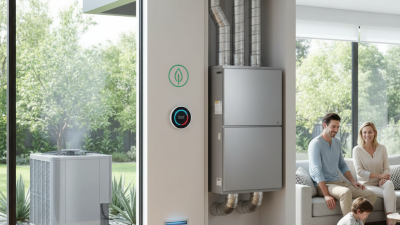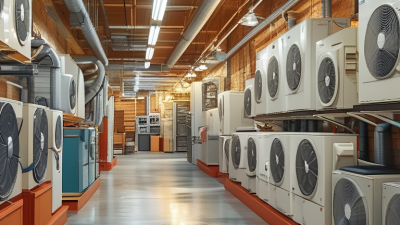
Choosing among the 10 best new HVAC units for 2026 requires more than comparing advertised efficiency numbers. A quieter condenser may suit a townhouse, while a high-capacity heat pump may better serve a drafty rural home. Climate, ductwork, electrical capacity, installation quality, and local service support can change the result.
HVAC educator and author Allison A. Bailes III has repeatedly emphasized a practical truth: “The most important part of an HVAC system is the installation.” That principle guides this review. Even an impressive system can waste energy when it is oversized, poorly charged, or connected to leaking ducts. I have also seen buyers focus on SEER2 ratings while overlooking airflow and maintenance access. That is an easy mistake.
This guide compares new HVAC units using efficiency, sound levels, refrigerant considerations, controls, warranty coverage, and expected operating conditions. It also considers ENERGY STAR qualifications and current efficiency standards, without treating either label as a complete buying decision. Some models look excellent on paper. Real homes can tell a different story.
Expect practical details. We will examine heat pumps, central air conditioners, dual-fuel systems, and smart thermostats. We will discuss R-32 and R-454B refrigerants carefully, because availability and installer familiarity vary by region. We will also explain when replacement makes more sense than repair.
No single unit wins everywhere. Your home decides. A qualified contractor should perform a load calculation before recommending equipment. That step feels slow, but skipping it can create expensive comfort problems later.
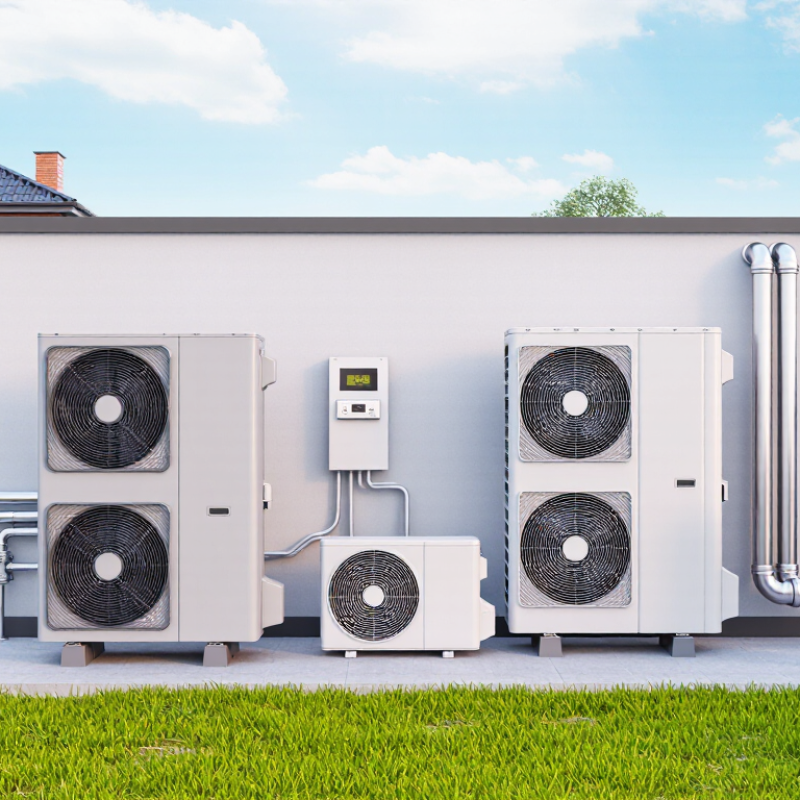
A top HVAC unit for 2026 buyers is not defined by efficiency alone. It must deliver steady comfort, quiet operation, and dependable performance during extreme weather. The International Energy Agency reports that heat pumps can provide three to five times more heating energy than the electricity they consume. However, that advantage depends on correct sizing, airflow, and professional commissioning. An oversized system may cool quickly, but it can leave rooms damp and create frequent cycling.
Look for clear SEER2, EER2, and HSPF2 ratings, but read beyond the headline number. Low-temperature capacity matters in colder regions. Variable-speed compressors can reduce temperature swings and improve humidity control. Sound ratings matter too, especially near bedrooms or shared walls. The U.S. Department of Energy states that heating and cooling use nearly half of a typical home’s energy. Duct leakage, poor insulation, and weak controls can erase much of a unit’s advertised savings. No rating predicts every household perfectly. That is where buyers must think critically.
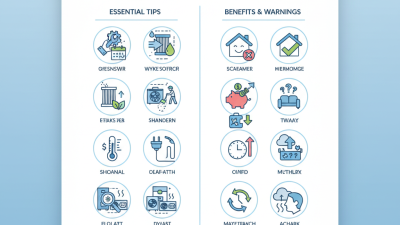
Tips: Ask for a room-by-room load calculation, not a guess based on floor area. Request measured airflow and refrigerant-charge verification after installation. Check filter access, warranty terms, maintenance needs, and replacement refrigerant requirements. The U.S. Environmental Protection Agency’s refrigerant transition guidance also makes future service compatibility worth discussing. A quieter, slightly less efficient unit may suit one home better. That tradeoff is easy to overlook.
This benchmark compares representative air-conditioning and heat-pump system profiles by SEER2 cooling efficiency. Higher SEER2 ratings generally indicate lower seasonal electricity use, although actual performance depends on climate, sizing, installation quality, ductwork, and the matched indoor and outdoor components.
SEER2 is the updated U.S. seasonal energy-efficiency rating for cooling equipment. The profiles shown are non-branded benchmark categories using rating levels commonly available in the market; they are not rankings of specific manufacturers or products.
Choosing among the 10 best new HVAC units for 2026 requires more than comparing advertised efficiency. The U.S. Department of Energy now uses SEER2 and HSPF2 ratings for many residential systems. These metrics reflect updated test conditions, but they still cannot predict every household’s energy bill. Duct leakage, thermostat settings, insulation, and local weather matter greatly. Real homes are rarely perfect.
The U.S. Energy Information Administration reported that space heating used about 42% of household energy, while cooling used roughly 8% in its 2020 Residential Energy Consumption Survey. That makes heating performance especially important in colder regions. Heat pumps should be compared using seasonal ratings, low-temperature capacity, and backup-heating requirements. A high rating is useful. Correct sizing matters more than many buyers expect.
Refrigerant selection also deserves attention. The U.S. Environmental Protection Agency’s Technology Transitions rules are pushing residential air-conditioning equipment toward refrigerants with lower global warming potential. Buyers should confirm the refrigerant type, service availability, and installation timetable before signing a contract. The International Energy Agency has repeatedly linked cooling growth with rising electricity demand worldwide. Variable-speed compressors, communicating controls, and better fan motors can reduce cycling and improve comfort. However, advanced controls may add complexity. I would request a commissioning report, airflow measurements, and a written efficiency estimate based on the home’s actual conditions.
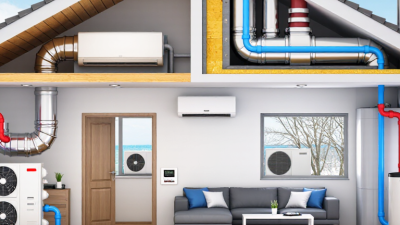
The 2026 HVAC market offers practical choices for different homes and climates. A variable-speed heat pump provides steady temperatures and lower operating noise. A dual-fuel system switches between electric heating and a gas furnace during severe cold. A high-efficiency split air conditioner improves cooling while using less electricity. An inverter heat pump adjusts output instead of repeatedly starting and stopping. A ductless mini-split serves additions, garages, and rooms with weak airflow.
A packaged heat pump places major components outdoors, saving indoor space. A smart furnace can modulate heat and report maintenance alerts through an app. A geothermal heat pump uses stable ground temperatures for efficient heating and cooling. A rooftop unit suits compact homes and light commercial spaces. An energy-recovery ventilator exchanges stale indoor air while limiting heat loss.
Look beyond advertised efficiency. A properly sized unit matters more than a dramatic rating. During site visits, technicians should measure airflow, inspect insulation, and check duct leakage. Refrigerant type, filter access, sound levels, and warranty terms also deserve attention. I have seen efficient equipment perform poorly because installers ignored return-air restrictions. That mistake is easy to miss.
No unit fits every home. Oversized systems may cool quickly but leave rooms damp. Undersized systems can run constantly during heat waves. Buyers should request load calculations, commissioning records, and clear service instructions before approving installation. Climate, electric rates, household habits, and future renovation plans can change the best choice.
Climate changes everything.
The best new HVAC units for 2026 should match your local weather, not just your budget. A heating-dominant home may need a cold-climate heat pump with strong low-temperature performance. In a hot, humid region, prioritize dehumidification, variable-speed cooling, and a properly sized outdoor unit. Oversizing can create short cycles, uneven rooms, and lingering moisture.
Start with a professional load calculation, such as Manual J, before comparing efficiency ratings. Ask the contractor to inspect insulation, windows, duct leakage, and electrical capacity. Ducts matter too. A highly efficient system can disappoint when damaged ducts waste conditioned air in a hot attic. Look for current efficiency labels, suitable sound levels, and parts support that remains available in your area.
Homes near saltwater need corrosion-resistant components and careful outdoor placement. Cold regions may require backup heat, while mild climates can benefit from simpler two-stage equipment. I once assumed the highest efficiency was always the smartest choice. That was too simplistic; installation quality and operating patterns often matter more. A reliable installer should explain maintenance access, filter sizes, drainage, warranty conditions, and expected operating costs without promising unrealistic savings. Ask for measurements in writing. Small details reveal expertise.
Installation choices often matter more than the equipment label. A licensed technician should calculate the home’s heating and cooling load before recommending a unit. Oversized systems cycle too quickly, leaving rooms damp and wasting electricity. Ask for duct leakage testing, refrigerant-line measurements, airflow readings, and a written commissioning report. Small details matter.
Operating costs depend on climate, utility rates, insulation, thermostat settings, and equipment efficiency. Variable-speed compressors usually provide steadier temperatures and quieter operation, but their advanced controls may cost more to repair. Request an estimated annual energy cost using your local rates. Treat that estimate carefully; household habits can change the result.
Maintenance should include filter replacement, coil cleaning, drain inspection, electrical testing, and condensate protection. Keep outdoor units clear of leaves and avoid blocking airflow with fences or storage. Service intervals vary, so follow the installation manual rather than trusting a generic calendar. Warranty review is equally important. Confirm registration deadlines, compressor coverage, parts exclusions, labor terms, and transfer rules if you sell the home. A long parts warranty may still leave you paying significant labor charges. That distinction is easy to miss.