Skip to content

Top 5 Tips to Choose the Best Company HVAC System?

Choosing the right company HVAC system is crucial for your home or business comfort. With various options available, it can be overwhelming to decide. An effective HVAC system enhances air quality while reducing energy costs. However, making the wrong choice can lead to inefficiencies and higher expenses.

Consider your specific needs, including the size of your space and local climate. Not all systems are built the same; some may offer better energy efficiency. Research is essential. Look for companies with strong reputations and solid warranties. Experts often recommend systems that integrate advanced technology, as they tend to be more reliable over time.

It's also wise to evaluate customer feedback. Reliable companies will have transparently shared reviews. Don’t hesitate to ask questions about installation and maintenance. Incomplete information can lead to regrets later. A well-informed choice will give you peace of mind and improve your indoor environment significantly. Selecting a quality company HVAC system can transform your space for the better.
Top 5 Tips to Choose the Best Company HVAC System?

Understanding Your HVAC Needs: Assessing Home Size and Design

When selecting an HVAC system, understanding your specific needs is crucial. An essential step is assessing your home’s size and design. According to the U.S. Department of Energy, homes with a larger square footage require systems with higher capacity. If your system is too small, it can struggle to maintain temperatures, leading to discomfort and increased energy costs. Conversely, an oversized system may cool too quickly, resulting in higher humidity levels.

Evaluate your home layout as well. Open concepts require different airflow considerations compared to segmented spaces. An air conditioning system that works well in one area may not suffice in another. Utilize professional load calculations to identify the right system size for your home. This process helps prevent common issues like uneven heating or cooling.

Consider the insulation of your home too. Good insulation can significantly reduce the demands on your HVAC system. Older homes with poor insulation often encounter higher operational costs. Do not overlook this crucial aspect when making your choice.

Understanding these factors will lead to a more informed decision. Take the time to assess your unique situation to ensure optimal comfort and efficiency in your home.

Exploring HVAC System Types: Choosing Between Central, Ductless, and More

When selecting the right HVAC system, understanding the different types is crucial. Central air systems are common in larger homes. They use ductwork to distribute conditioned air evenly. This ensures consistent temperature control throughout the space. However, ductwork installation can be costly and complex.

Ductless mini-split systems offer flexibility and efficiency. They allow for zoning, so homeowners can cool or heat specific rooms. Installation is simpler since there’s no need for extensive ductwork. On the downside, upfront costs may be high. Some people find they struggle with the aesthetics of the indoor units.

Heat pumps are another option worth considering. They can provide both heating and cooling, making them versatile. Their energy efficiency can save money over time. However, temperature extremes may affect their performance. It's vital to assess your climate and home's layout before deciding. Each option has trade-offs, necessitating careful thought about your needs.

Evaluating Energy Efficiency Ratings: SEER and EER Explained

When choosing an HVAC system, understanding energy efficiency ratings is crucial. Two key ratings to consider are SEER and EER. SEER, or Seasonal Energy Efficiency Ratio, measures cooling efficiency over an entire cooling season. A higher SEER indicates more efficiency. EER, or Energy Efficiency Ratio, focuses on a system's efficiency at a specific temperature. While both ratings are important, SEER is often the standard for residential systems.

Evaluating these ratings can feel overwhelming. Many homeowners struggle to find the right balance between initial cost and long-term savings. Systems with higher SEER ratings can be more expensive upfront but often lead to lower utility bills over time. However, it’s essential to consider your local climate and cooling needs. In hot climates, a higher SEER may offer significant benefits, while milder areas may not see the same returns.

Don't ignore the importance of proper installation. Even a highly efficient system underperformed without correct setup. Consulting with a knowledgeable HVAC professional can help clarify your options. Balancing efficiency, cost, and installation concerns is not easy. However, an informed decision can make a significant difference in your home’s comfort and energy bills.

Considering Installation and Maintenance: Cost, Time, and Expertise

When selecting an HVAC system, the installation and maintenance aspects play a crucial role. Costs can vary significantly based on several factors, including system type and installation complexity. According to the American Society of Heating, Refrigerating and Air-Conditioning Engineers (ASHRAE), proper installation can improve system efficiency by up to 30%. This statistical insight emphasizes the need for hiring skilled professionals for installation.


Maintenance is another key factor. A well-maintained HVAC unit can last up to 15 years longer than one that is neglected. Regular check-ups can prevent costly repairs that often arise due to poor maintenance habits. The U.S. Department of Energy recommends a yearly inspection to optimize performance and energy use.


Expertise is paramount when choosing a contractor. Certifications and experience matter immensely. A recent study showed that 60% of HVAC failures were due to improper installation. Neglecting to verify a contractor's credentials can lead to poor outcomes. It's essential to seek qualified technicians for both installation and ongoing maintenance, ensuring long-term functionality and reliability.

Researching and Comparing HVAC Companies: Reviews and Credentials

When it comes to choosing an HVAC company, thorough research is crucial. Reviews from previous customers offer insight into the quality of service. Look for companies with consistent positive feedback, but also note any recurring complaints. This type of information can reveal the strengths and weaknesses of potential contractors. Their responses to negative reviews can indicate professionalism and commitment to customer satisfaction.

Credentials are equally important. Ensure the company has the necessary licenses and certifications. A qualified technician should have proper training and experience. Ask about their ongoing education and any industry affiliations. This shows they are committed to staying updated on the latest technologies and standards. However, not every technician will have the same level of expertise. Some might be new to the field and still learning.

Don’t hesitate to interview multiple companies. Ask pointed questions about their warranty policies and service guarantees. Take notice of their communication style. Are they clear and straightforward, or do they use jargon? Choosing a contractor involves more than just price. It’s vital to evaluate their reliability and trustworthiness as well.

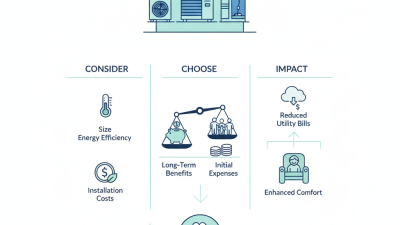
Top 5 Factors to Consider When Choosing an HVAC System