Skip to content

Best HVAC Equipment for Efficient Heating and Cooling Solutions?

When considering effective heating and cooling solutions, selecting the right HVAC equipment is crucial. Industry expert John Smith, an experienced HVAC technician with over 20 years in the field, states, "The efficiency of your HVAC system can significantly impact your energy costs." This insight underscores the importance of choosing quality equipment tailored to specific needs.

The market offers a variety of options, from energy-efficient furnaces to smart thermostats. It can be overwhelming to navigate these choices. Some systems promise high efficiency, but may not perform as expected. Understanding the features and efficiency ratings of HVAC equipment is key.

Moreover, regular maintenance and proper installation play vital roles in ensuring optimal performance. Skimping on these aspects can lead to increased costs over time. Reflecting on past choices can help identify better options for future installations. Investing wisely in HVAC equipment can provide long-term benefits in comfort and efficiency.
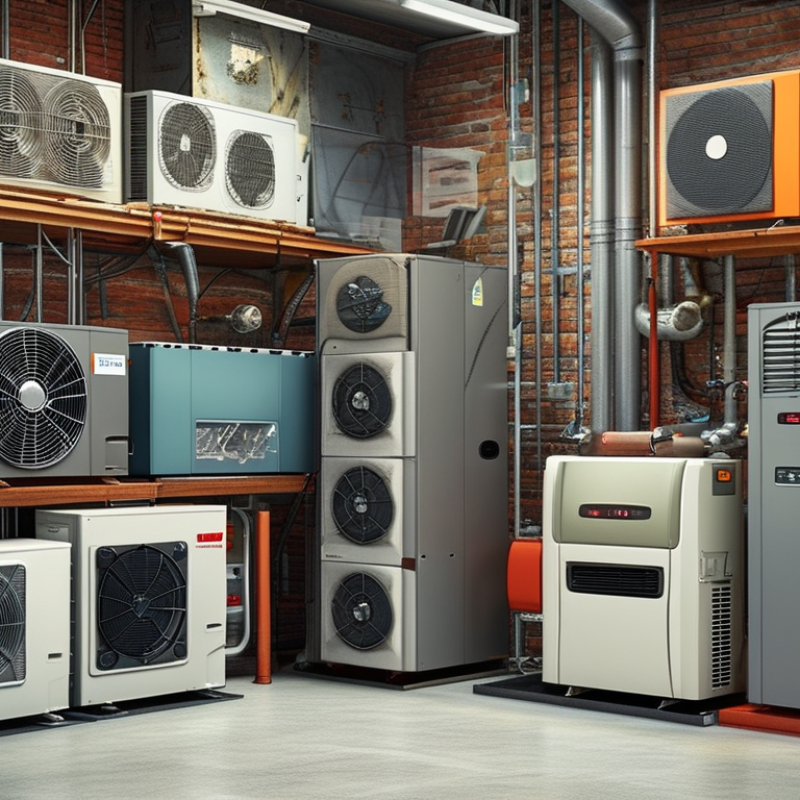
Best HVAC Equipment for Efficient Heating and Cooling Solutions?

Types of HVAC Equipment for Optimal Heating and Cooling Performance

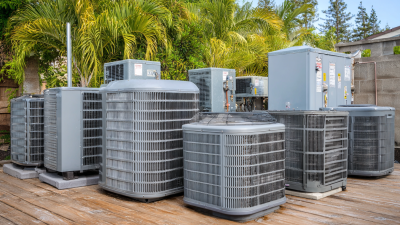
When considering HVAC equipment for optimal heating and cooling performance, it's essential to explore the various types available. Central heating systems, for example, rely on a furnace or a heat pump to distribute warmth throughout a home. They are efficient for larger spaces and can be controlled by a thermostat. However, they may not be suitable for every home layout and can sometimes drive up energy costs if not properly maintained.

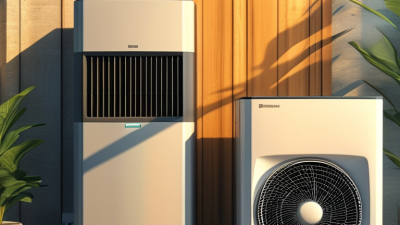
Ductless mini-split systems offer another solution. These systems provide flexibility and energy efficiency. They can be installed in individual rooms, allowing precise temperature control. This option may make sense for homes without existing ductwork. Yet, installation costs can be higher, and professionals are often needed for setup. Regular maintenance is crucial to keep these systems running optimally.

Lastly, portable heaters and air conditioners are also popular choices. They offer a temporary solution for specific rooms but may not be the most energy-efficient option. While benefiting from convenience, users should be cautious of their impact on electric bills. Evaluating each type's pros and cons is vital. Making informed choices can lead to better comfort and energy savings in the long run. Ensure to assess your home's layout and heating needs before deciding.

Best HVAC Equipment for Efficient Heating and Cooling Solutions

Factors to Consider When Choosing HVAC Equipment for Efficiency

When selecting HVAC equipment for efficient heating and cooling, several factors demand attention. The size of your space is crucial. A system that is too small will struggle, leading to higher energy costs. Conversely, an oversized unit cools too quickly, failing to effectively dehumidify the air. It's essential to calculate your space's heating and cooling needs accurately.

Energy efficiency ratings play a vital role in your choice. Look for systems with a high Seasonal Energy Efficiency Ratio (SEER) and Heating Seasonal Performance Factor (HSPF). These metrics indicate how well a unit converts energy into heating or cooling. Consider how often the equipment will be used. Regular maintenance is also necessary for efficiency. Dirty filters can reduce performance by up to 20%.

Equally important is the climate in your area. Different systems work better in various weather conditions. A heat pump may excel in moderate climates, while a traditional furnace might be better in colder zones. Think about your long-term comfort. Investing in quality equipment pays off over time, but only if you make informed choices. Assess your lifestyle and usage patterns. These reflections guide you toward a more efficient HVAC system that meets your specific needs.

Energy-Efficient HVAC Technologies and Features to Look For

When selecting HVAC equipment, energy efficiency should be a top priority. Modern HVAC technologies offer various features that enhance performance while reducing energy consumption. For instance, variable speed motors adjust the airflow based on real-time needs. This not only improves comfort but also minimizes energy waste. Additionally, look for units with higher SEER (Seasonal Energy Efficiency Ratio) ratings, as they indicate better efficiency during cooling seasons.

Another crucial feature is smart thermostats. These devices learn your schedule and adjust heating or cooling automatically. They help maintain indoor comfort while saving energy. Many models can be controlled remotely via smartphone apps, giving you flexibility and control over your home's temperature. This means you can optimize energy use even when you’re not home.

Consider zoned heating and cooling systems. They allow you to heat or cool specific areas efficiently, rather than conditioning the entire space. This tailored approach can lead to significant energy savings. It's essential to ensure your system is properly sized for your home. An oversized unit can lead to short cycling and increased wear over time. Regular maintenance is key. Keeping filters clean and scheduling professional check-ups can enhance the system's efficiency.

Maintenance Practices for Prolonging the Life of HVAC Systems

Maintaining HVAC systems is crucial for ensuring efficiency and longevity. Industry reports indicate that regular maintenance can improve system efficiency by up to 30%. Dust and debris often accumulate in filters, which hinders airflow. This makes your system work harder, leading to increased energy bills. Routine cleaning and replacing filters every 1-3 months is essential.

Another key aspect is annual professional inspections. These checkups identify potential issues before they become costly repairs. According to the Building Performance Institute, systems that undergo regular maintenance can last 5-10 years longer than those neglected. Regular inspections can also optimize refrigerant levels, which plays a significant role in energy efficiency.

Consider setting reminders for routine maintenance tasks. This ensures your HVAC system receives the care it needs. Keep a log of service records for reference and accountability. Involving a professional might seem like an added expense, but it ultimately saves money by preventing unnecessary breakdowns. Awareness and proactive practices can significantly enhance the performance and lifespan of your HVAC equipment.

Comparing HVAC Brands: Which Offer the Best Efficiency Ratings?

When choosing HVAC equipment, efficiency is key. Different brands offer various technologies. Some focus on advanced energy-saving features. Others provide more basic models that may not meet high efficiency standards. Understanding these differences can be overwhelming.

A thorough comparison reveals some surprising results. Brands often claim high efficiency ratings, but real-world performance can vary. Installation quality significantly affects overall efficiency. It's not uncommon for a highly rated unit to perform poorly if not properly installed. Homeowners need to consider this aspect.

Additionally, regular maintenance is crucial. Even the best equipment requires care to maintain efficiency. Some brands simplify this process, while others can complicate it. It is essential to evaluate the long-term service options available. This will help in making an informed decision about which HVAC system truly delivers what it promises. Taking the time to research and compare can lead to significant savings in energy bills and improved comfort.