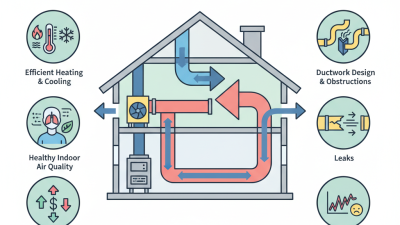
Efficient HVAC systems rely heavily on air handling equipment. As indoor air quality becomes increasingly crucial, the selection of the right equipment is vital. According to the American Society of Heating, Refrigerating, and Air-Conditioning Engineers (ASHRAE), proper ventilation can improve productivity and reduce sick building syndrome risks.
The global demand for advanced air handling solutions is rising. In 2022, the HVAC market was valued at $130 billion and is projected to grow at a CAGR of 6.1% through 2030. This growth highlights the essential role of air handling equipment in maintaining energy efficiency and environmental sustainability. However, many businesses still underestimate the significance of choosing the best systems.
Selecting the right air handling equipment can lead to considerable energy savings. Studies show that efficient systems can reduce energy consumption by up to 30%. Yet, companies often face challenges in balancing initial costs with long-term benefits. Addressing these issues is essential for future HVAC strategies, as the right choices can substantially enhance system performance and air quality.
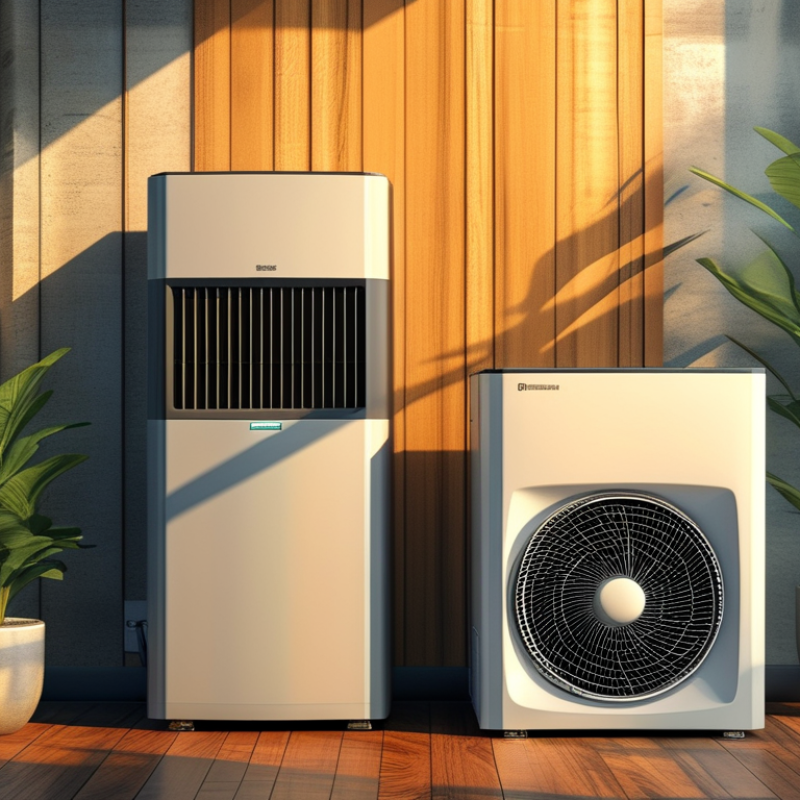
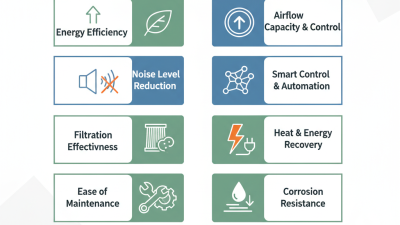
Air handling equipment is vital for HVAC efficiency. These systems manage air quality and circulation in buildings. Understanding their essential features helps in selecting the right equipment. Look for units with energy-efficient motors to reduce energy consumption. High-efficiency filters are also important; they capture airborne particles effectively.
Consideration of humidity control is another key feature. Equipment with built-in humidity regulation can prevent mold and enhance comfort. Proper insulation of air ducts is essential as well. This minimizes thermal loss, ensuring that conditioned air reaches its intended spaces.
Regular maintenance is required for optimal performance. Clogged filters can significantly reduce efficiency. Scheduling routine check-ups is wise, even if it seems unnecessary. Keep an eye on equipment noise levels; unusual sounds may signal issues needing attention.
Incorporating these factors into your HVAC design will lead to better air quality and energy savings. Ensure your air handling equipment is tailored to your specific needs for the best results.
Air handling units (AHUs) play a crucial role in HVAC systems. They are responsible for circulating and conditioning air in commercial and residential buildings. The energy efficiency of these units directly impacts a building's overall energy consumption. According to the U.S. Department of Energy, AHUs can account for up to 40% of a building’s energy usage. Therefore, investing in the right type of AHU is essential.
There are several types of air handling units. Each serves different applications. For example, rooftop units are ideal for large commercial spaces, providing ease of installation and maintenance. On the other hand, modular units offer flexibility, allowing for easy expansion as needs change. A report by the ASHRAE highlights that advanced units with integrated controls can improve energy efficiency by 30%.
Despite advancements, challenges remain. Many installations face issues with improper sizing, leading to inefficient operation. Regular maintenance is often overlooked, reducing the unit's effectiveness. Proper training for HVAC technicians is critical to address these issues. The industry must continue to evolve, focusing on both technology and workforce development to ensure optimal performance of AHUs.
This chart displays the top 10 types of air handling units (AHUs) commonly used in HVAC systems, alongside their applications and efficiency ratings.
Choosing the right air handling equipment is crucial for energy efficiency in HVAC systems. Start by understanding energy efficiency ratings. Look for equipment with high ratings, as this indicates better performance and lower operational costs. Higher efficiency means less energy consumption, which can significantly reduce utility bills.
Consider the specific needs of your space. Different environments have unique requirements for temperature and humidity control. Ensure the selected equipment can meet these demands. Check if the equipment can be easily integrated with existing systems. Seamless compatibility can avoid additional costs later.
Regular maintenance is essential for any air handling unit. Neglecting this can lead to inefficiencies. By performing routine checks, you maintain optimal performance. Disregarding this can result in wasted energy and higher expenses. Prioritize reliability when selecting equipment. This will pay off in the long run.
| Model | Airflow Capacity (CFM) | Energy Efficiency Ratio (EER) | Noise Level (dB) | Weight (lbs) |
|---|---|---|---|---|
| Model A | 1200 | 12.5 | 60 | 150 |
| Model B | 1500 | 10.8 | 62 | 180 |
| Model C | 1000 | 13.3 | 58 | 140 |
| Model D | 1800 | 11.0 | 64 | 210 |
| Model E | 1600 | 12.0 | 61 | 200 |
| Model F | 1700 | 11.5 | 63 | 195 |
Proper maintenance of air handling units (AHUs) is crucial for their efficiency and longevity. Regularly inspect filters to ensure optimal airflow. Clogged filters can significantly reduce performance. This simple action can enhance indoor air quality and comfort. Check fan and motor assemblies for wear and debris. Over time, dust accumulation can impede operation. Additionally, ensure that all components are aligned correctly. Misalignment may lead to increased energy consumption.
Routine servicing should include checking the refrigerant levels in cooling systems. Insufficient refrigerant can reduce cooling efficiency. Look for leaks or signs of wear in ductwork. Addressing these issues proactively can save energy and costs. Keeping the AHU clean is vital. Remove dust and dirt from coils and drain pans. This prevents water stagnation and microbial growth.
Documentation of maintenance activities fosters accountability. A well-recorded history assists in identifying recurring issues. Occasionally, aspects of maintenance may go unnoticed. Addressing smaller concerns early can prevent larger problems later. Engaging a professional for periodic reviews can bring a new perspective. This step may reveal issues an untrained eye might miss. Regular assessment ensures peak AHU performance year-round.
Innovative technologies are reshaping the landscape of air handling equipment in HVAC systems. Energy efficiency is a significant focus. According to the U.S. Department of Energy, modern HVAC systems can achieve energy savings of up to 30% with advanced air handling units. These units incorporate features like variable frequency drives (VFDs) that adjust fan speeds based on demand, optimizing energy use dramatically.
Furthermore, integrated sensors are now standard in air handling systems. These sensors monitor air quality, temperature, and humidity in real-time. A recent ASHRAE report indicates that buildings integrating smart sensors can enhance indoor air quality by up to 50%. This enhances occupant comfort while reducing energy waste. However, implementing these technologies can increase initial setup costs and complexity.
Heat recovery systems are also gaining traction. They recycle waste heat, improving overall system efficiency. A study by the International Energy Agency shows that heat recovery can cut HVAC energy consumption by nearly 20%. Yet, many facilities still hesitate to adopt these systems due to perceived maintenance challenges and installation costs. Finding the right balance between innovation and practicality remains a crucial consideration in the evolving HVAC landscape.