Skip to content

2026 Best HVAC Equipment for Global Buyers to Consider?

As the demand for efficient HVAC equipment continues to rise globally, buyers face a challenging landscape in 2026. The options can be overwhelming, but choosing the right heating, ventilation, and air conditioning systems is crucial. Understanding the specifics, strengths, and weaknesses of various models is essential for making informed decisions.

Buyers must consider energy efficiency ratings, reliability, and cost-effectiveness. Brands may offer diverse features, but not all shine in performance. It’s vital to do research and read reviews. In today’s market, some HVAC equipment may promise the world but fail to deliver in real-world applications.

Gaining insights from industry experts can help navigate this maze. Yet, even experts might have their biases or preferences. Reflecting on experiences can lead to better choices. The right HVAC equipment should not only meet initial needs but also adapt over time. Investing wisely now can lead to significant savings and comfort in the future.
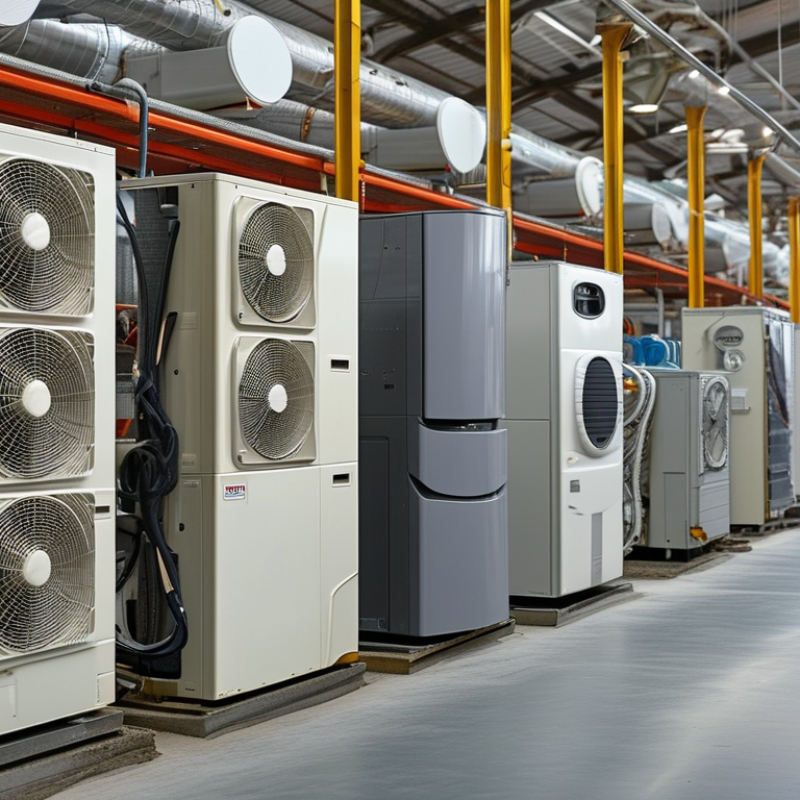
2026 Best HVAC Equipment for Global Buyers to Consider?

Overview of HVAC Equipment Trends for 2026

As we look towards 2026, HVAC equipment trends are evolving rapidly. Recent industry reports indicate a shift towards energy efficiency and sustainability. According to the Global HVAC Equipment Market report by Allied Market Research, the global HVAC market is projected to reach $200 billion by 2026, emphasizing the increasing demand for environmentally friendly solutions.

Smart HVAC systems are gaining traction. These advanced systems often utilize IoT technology for enhanced control and monitoring. A study by McKinsey highlights that approximately 50% of consumers are willing to invest in smart HVAC systems that promise lower energy costs. However, the initial investment can be a barrier for some buyers.

The integration of renewable energy sources, such as solar power, is also crucial. Reports indicate that energy-efficient systems can reduce HVAC energy consumption by up to 30%. Many buyers are still unsure about the long-term benefits and potential savings associated with such investments. As a result, some may hesitate to make the leap into adopting these innovative solutions. Understanding these trends is essential for global buyers looking to stay competitive in the evolving HVAC landscape.

Key Features to Look for in HVAC Systems

When considering HVAC systems for purchase in 2026, several key features should shape your decision. Energy efficiency is paramount. According to the U.S. Department of Energy, HVAC systems account for nearly 40% of a building's energy usage. Look for systems with high SEER (Seasonal Energy Efficiency Ratio) and HSPF (Heating Season Performance Factor) ratings. These ratings indicate how efficiently a system operates under various conditions.

Another critical feature is advanced air quality control. As outdoor air quality fluctuates, an efficient HVAC should incorporate HEPA filters and UV light technology. This can reduce allergens and pollutants, leading to healthier indoor environments. Reports from ASHRAE highlight that improved air quality can enhance productivity by up to 10%. Therefore, investing in advanced filtration can pay off in the long run.

Tip: Regular maintenance is vital. Neglecting to service your system can lead to decreased efficiency and higher energy costs. Additionally, ensure your system offers user-friendly controls. Smart thermostats allow for easy adjustments, optimizing performance based on your daily schedule. Remember, investing in the right features enhances comfort and reduces future costs.

Top HVAC Brands and Their Product Offerings for 2026

Choosing the right HVAC equipment is crucial for maximizing efficiency in homes and businesses. In 2026, several top brands are expected to stand out with innovative solutions that focus on energy efficiency and sustainability. Recent industry reports indicate that the HVAC market is projected to grow significantly, driven by increasing demand for smart technology in environmental control systems.

One key trend is the integration of IoT technology in HVAC systems. This advancement allows for remote monitoring and adjustment, leading to improved energy savings. According to a study, smart HVAC solutions can reduce energy consumption by up to 30%. Buyers should assess their specific needs, ensuring the technology aligns with their objectives. Consider the size of your space, the local climate, and overall energy efficiency ratings.

Tip: Regular maintenance is essential. A well-maintained system operates more efficiently, prolonging its life span. Look for equipment with easy service access and consider service contracts that cover repairs.

It’s essential to reflect on the potential for over-commitment to a single brand. While brand loyalty can offer peace of mind, varying product offerings can lead to better customization. Explore multiple options to find a balance between quality and cost-effectiveness. The perfect choice is one that meets both current and future needs efficiently.

Energy Efficiency Ratings and Environmental Considerations

When choosing HVAC equipment, energy efficiency ratings play a crucial role. These ratings indicate how effectively a system can convert fuel into heating or cooling. A high rating signifies lower energy consumption, which translates to reduced bills. Buyers should understand seasonal efficiency ratings, as they provide insights into performance across different seasons.

Environmental considerations are equally important. Many HVAC systems now aim to reduce carbon emissions. This aligns with global efforts to combat climate change. Systems often utilize eco-friendly refrigerants, which have less impact on the ozone layer. It’s essential to inquire about the life cycle of an HVAC system. Some options may offer lower initial costs but could harm the environment in the long run.

Investing in a high-efficiency HVAC system may require a higher upfront cost. However, lower operational costs can offset this over time. Moreover, the benefits extend beyond personal convenience. They contribute positively to the planet. As consumers, reflecting on our choices is vital. Are we prioritizing short-term savings over long-term sustainability? Exploring this question can lead to more informed and responsible decisions.

FAQs about Choosing the Right HVAC Equipment for Global Buyers

When selecting HVAC equipment, global buyers often face critical decisions. The importance of energy efficiency cannot be overstated. According to the U.S. Department of Energy, HVAC systems can account for up to 40% of a building's energy consumption. Choosing energy-efficient models can lead to significant savings and lower carbon footprints.

Understanding local climate conditions is essential in this decision-making process. For example, humid climates require different equipment than arid regions. Proper sizing of HVAC units is crucial. An oversized unit may cycle too frequently, wasting energy. Meanwhile, an undersized unit will struggle to maintain comfort levels.

Buyers also need to consider maintenance and reliability. According to a 2022 report from the International Energy Agency, over 30% of HVAC systems fail within the first five years due to poor installation and maintenance practices. Engaging qualified professionals aids in mitigating these risks. While initial costs might seem high, investing in quality equipment often leads to greater long-term savings and improved performance.

2026 Best HVAC Equipment Analysis for Global Buyers

This chart illustrates the popularity scores of various HVAC equipment options in 2026, helping global buyers make informed decisions based on current trends and preferences.