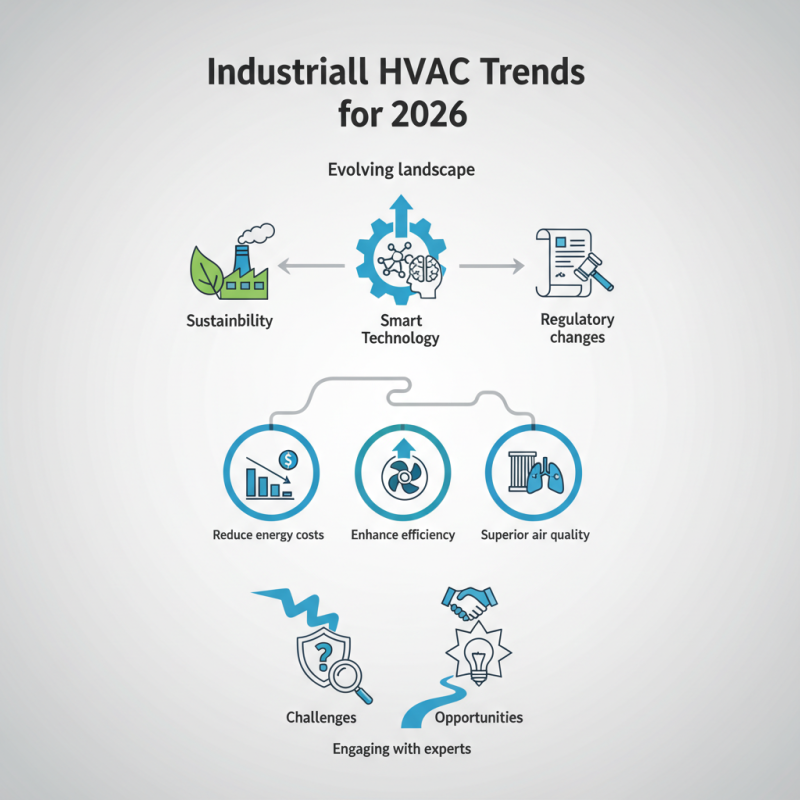
In the evolving landscape of industrial hvac, staying informed is crucial for buyers. The year 2026 brings a wave of trends that will shape the future of this industry. Implementing the latest technologies can reduce energy costs, enhance efficiency, and ensure superior air quality.
Buyers must consider factors like sustainability, smart technology, and regulatory changes. These aspects not only influence operational efficiency but also impact investment decisions. However, the complexity of these trends can overwhelm. Understanding the interplay of various elements is essential.
As you navigate the industrial hvac landscape, anticipate challenges and opportunities. Engaging with experts in the field can provide valuable insights. The search for better solutions is ongoing, and being proactive will set you apart. Embracing change is vital in this competitive market.
The HVAC industry is poised for significant growth by 2026, driven by various market dynamics. According to a recent report by MarketsandMarkets, the global HVAC market is expected to reach $250 billion by 2026, with a compound annual growth rate (CAGR) of around 6%. This growth is fueled by the increasing demand for energy-efficient systems and advancements in smart technology.
Moreover, the focus on sustainability is reshaping the industry. Regulations are enforcing higher energy standards for HVAC systems, pushing manufacturers to innovate. For example, about 30% of energy consumption in commercial buildings can be attributed to HVAC systems. This calls for solutions that not only reduce energy use but also minimize environmental impact. As buyers, understanding these trends is crucial.
While the outlook appears optimistic, challenges remain. The supply chain disruptions caused by the pandemic highlighted vulnerabilities in production and distribution. Manufacturers are now tasked with finding resilient solutions to these issues. Furthermore, the integration of AI and IoT in HVAC systems raises concerns regarding data privacy and system reliability. These complexities warrant careful examination by industry stakeholders as they adapt to the changing landscape.
This bar chart illustrates the projected growth in key HVAC market segments for 2026. The data reflects trends in energy efficiency, smart technology adoption, and demand for sustainable solutions.
The industrial HVAC sector is undergoing significant transformation driven by emerging technologies. In 2026, smart HVAC systems are expected to dominate the landscape, integrating Internet of Things (IoT) sensors and artificial intelligence (AI). These systems optimize energy use, enhancing efficiency. Reports indicate that companies using AI-driven HVAC systems can reduce energy costs by up to 30%.
Predictive maintenance algorithms are also emerging. By analyzing data patterns, these algorithms anticipate equipment failures. This strategy minimizes downtime and maintenance costs. A recent study found that facilities adopting predictive maintenance reduced operational disruptions by 50%. However, businesses must balance these high-tech solutions with traditional methods. Over-reliance on technology without skilled personnel can lead to gaps in system management.
Moreover, sustainability remains a critical focus. The push for eco-friendly refrigerants continues, with industry studies projecting a shift towards low-global warming potential options. However, some companies struggle to adopt these alternatives, often citing high initial costs and limited training. It's clear that while technology offers promises, challenges remain that could impede seamless integration.
| Trend | Description | Impact | Adoption Rate |
|---|---|---|---|
| Smart HVAC Systems | Integration of AI and IoT for real-time monitoring and predictive maintenance. | Increased energy efficiency and reduced downtime. | 35% |
| Sustainability Measures | Utilizing eco-friendly refrigerants and improving energy conservation designs. | Lower greenhouse gas emissions and compliance with regulations. | 50% |
| Advanced Filtration Systems | Use of HEPA filters and UV-C light systems for air quality improvement. | Enhanced safety and productivity in industrial settings. | 40% |
| Energy Recovery Ventilation (ERV) | Systems that exchange energy from exhaust air to precondition incoming air. | Significant reduction in energy costs. | 30% |
| Virtual Reality Training | Using VR for training personnel on HVAC operations and troubleshooting. | Improved training outcomes and reduced accidents. | 20% |
Sustainability is driving major changes in the HVAC industry. Energy efficiency standards are becoming stricter. Reports suggest that up to 30% of energy used in commercial buildings goes to HVAC systems. This inefficiency represents a significant opportunity for improvements.
New practices include the adoption of variable refrigerant flow (VRF) systems. These systems use less energy and provide better temperature control. However, the initial costs can be high. They require significant investment, which can deter some buyers.
In addition, regulatory pressures push for low global warming potential (GWP) refrigerants. Studies indicate that the transition to low-GWP fluids could reduce greenhouse gas emissions significantly over time. This transition is challenging as many existing systems are not compatible with these newer refrigerants. Addressing this issue requires training and investment, creating a potential gap in expertise and resources.
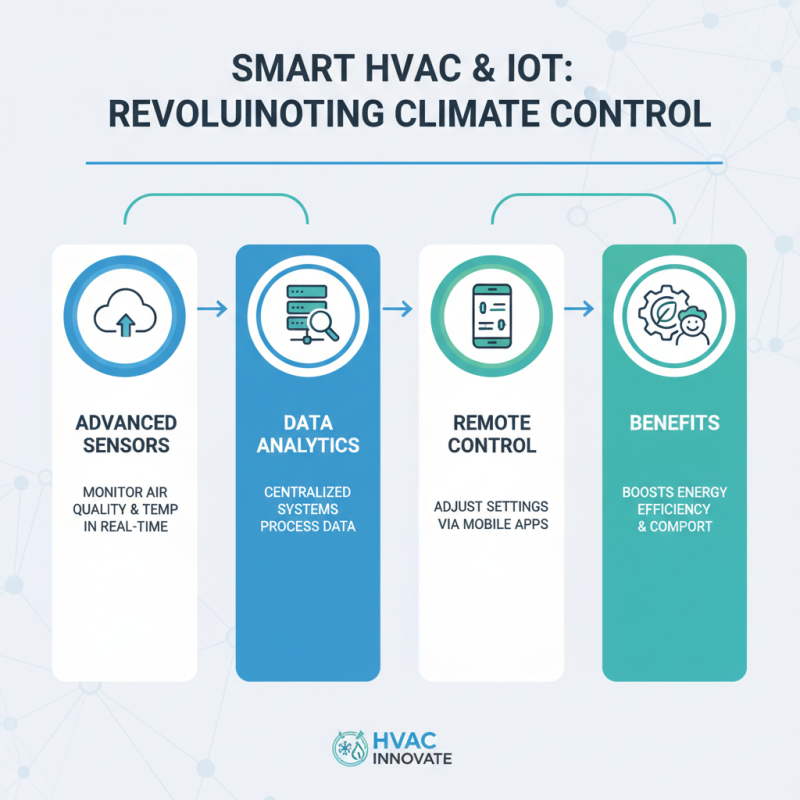
The integration of smart technology and IoT into HVAC management systems is revolutionizing the industry. Advanced sensors continuously monitor indoor air quality and temperature. These sensors send real-time data to centralized systems for analysis. Users can remotely adjust settings through mobile applications. This level of control enhances energy efficiency and user comfort.
However, implementing these smart technologies is not without challenges. Many facilities struggle with system compatibility. Older systems may not seamlessly integrate with new IoT devices. Technical expertise is often required for setup and ongoing maintenance. There is also a concern about data security, as more devices connect to the internet.
Despite these challenges, the benefits are significant. Predictive maintenance reduces downtime and costs. HVAC systems can adjust in real-time, responding to environmental changes. As technology continues to evolve, staying informed is essential for buyers looking to optimize their systems effectively.
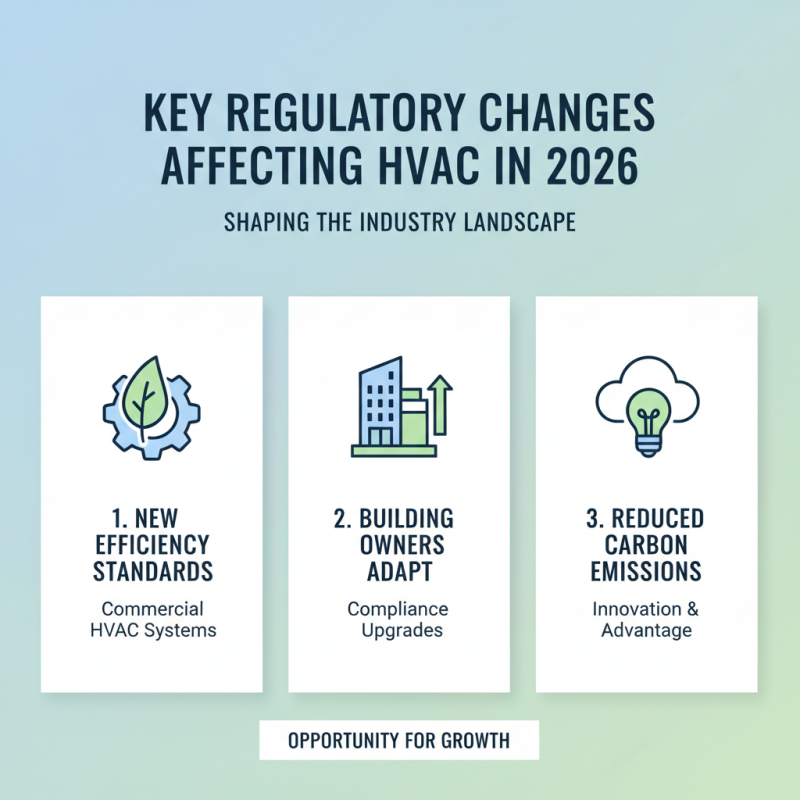
As the HVAC industry braces for change in 2026, several key regulatory shifts will emerge. New efficiency standards will mandate improved energy use in commercial HVAC systems. Building owners must adapt to these requirements. This change aims to reduce carbon emissions. It presents an opportunity for innovation and competitive advantage.
Additionally, stricter indoor air quality regulations are expected. These rules will demand higher filtration standards and better ventilation practices. Facilities must regularly evaluate their HVAC systems to remain compliant. Not doing so could lead to costly fines. The industry must prioritize staff training on new compliance protocols.
Yet, while regulations drive progress, they also create challenges. Compliance can strain budgets, especially for smaller businesses. Often, updated equipment requires significant investment. There is also the risk of misinformation regarding new laws. Staying informed is crucial. This landscape encourages growth but also forces reflection on current practices.