What Are the Top HVAC Technologies in China?
China’s HVAC market is shaped by dense cities, varied climates, and changing building needs. A system suited to a humid apartment block may not fit a northern factory or rural school. That is why hvac technology should be assessed in context, not by product label alone. Variable refrigerant flow systems, inverter-driven equipment, heat pumps, efficient chillers, and smart controls all feature in today’s discussions. Their value depends on installation quality, operating schedules, maintenance, and local energy conditions. Small details matter. A poorly tuned controller can waste energy even in a modern building.
This overview explores leading technologies through practical questions: How well do they maintain comfort? What are their likely energy demands and service needs? Can they work with the building’s existing systems? In China, regional weather and building type can change the answer. Heat pumps, for example, may perform differently across climates and applications, so broad claims need careful checking. This article is an introduction, not a universal ranking. Product specifications, project data, and qualified professional advice should guide real purchasing decisions. And there is room for reflection: advanced equipment is not automatically the best choice. If commissioning is weak or maintenance is neglected, promised efficiency may remain only on paper.
Air-Source Heat Pumps and Their Role in Building Heating
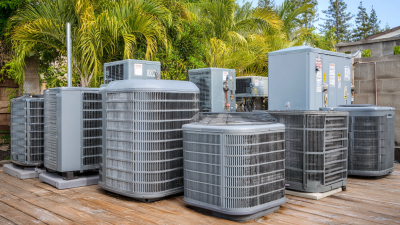
Air-source heat pumps move heat rather than create it through combustion. A fan draws outdoor air across a heat exchanger, and a refrigerant cycle transfers energy indoors. In a hydronic system, that heat warms water for radiators or floor loops. Other systems deliver warm air through indoor coils. This distinction matters.
Their strongest role is often in well-insulated homes and offices with steady heating demand. At mild outdoor temperatures, they can deliver several units of heat per unit of electricity. Performance declines in severe cold, so sizing and backup planning matter. Installers should check local winter temperatures, emitter requirements, noise, and electrical capacity. Frost can collect on the outdoor coil, prompting a defrost cycle. Small details count.
In existing buildings, replacing a high-temperature boiler can be difficult. Older radiators may need warmer water than a heat pump supplies efficiently, while insulation upgrades can narrow that gap. Site measurements and seasonal energy estimates are more useful than headline efficiency figures. Controls also need careful commissioning; a confusing schedule can undermine a good design. There is no perfect retrofit.
Variable Refrigerant Flow Systems for Flexible Climate Control
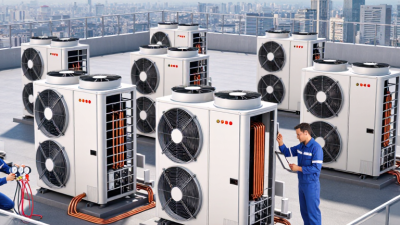
Variable refrigerant flow (VRF) systems adjust refrigerant delivery to match the needs of individual indoor zones. One outdoor unit can serve several rooms, while occupants set different temperatures in each area. This flexibility suits offices, hotels, and mixed-use buildings where sunlight and occupancy vary throughout the day. In China, that can mean cooling a sunlit meeting room while a shaded corridor needs less output.
VRF performance depends on more than the equipment. Pipe routes, room loads, and commissioning all matter. In a humid southern city, cooling must also manage moisture; in colder northern areas, heating performance deserves close attention. VRF does not automatically provide enough fresh air, so ventilation should be planned separately. A poorly balanced system can leave rooms uneven, even when the controls look precise. That detail is easy to overlook.
Tips: Ask for room-by-room load calculations and a clear ventilation plan. Check service access before installation. Keep filters clean, and review operating settings after the building is occupied. Small adjustments can make a noticeable difference.
High-Efficiency Chillers and Advanced Cooling Technologies
High-efficiency chillers are central to China’s evolving cooling market, where hot summers and dense urban buildings create demanding loads. Their real value depends on more than a high rated efficiency figure. Engineers should compare performance at partial load, because many systems spend much of the year below peak capacity. Variable-speed compressors and pumps can adjust output as demand changes, reducing unnecessary energy use. Check the operating data.
Advanced cooling designs also pair chillers with heat recovery, thermal storage, or carefully controlled cooling towers. A hotel, for example, may use recovered condenser heat to preheat water while chilled water serves guest rooms. Sensors placed across supply and return lines help operators spot temperature drift or poor flow. Small readings matter. Yet controls can be difficult to tune, and sophisticated equipment does not guarantee efficient operation. Dust on heat-exchanger surfaces, incorrect setpoints, or neglected maintenance can erode expected savings. Project teams should review seasonal records, maintenance capacity, and actual load patterns before choosing a system. Some assumptions will prove wrong; commissioning and periodic measurement help reveal where adjustments are needed.
Smart HVAC Controls and Building Energy Management
Smart HVAC controls matter in China’s offices, malls, and campuses, where cooling loads and occupancy can change sharply through the day. UNEP’s 2023 Global Status Report for Buildings and Construction estimates that buildings and construction accounted for 34% of global energy demand and 37% of energy- and process-related CO₂ emissions in 2022. These are global figures, not China-specific, but they show why operational efficiency deserves attention. In humid southern cities, humidity control can be as important as temperature; in northern buildings, heating schedules create a different challenge.
A building energy management system can connect room sensors, air-handling units, chillers, and utility meters. It can adjust schedules, flag equipment running after hours, and reveal when a valve or filter is not performing properly. The IEA’s 2018 report The Future of Cooling projected that global cooling energy demand could more than triple by 2050, reaching about 6,200 TWh annually. Smart control is not automatic savings. A sensor placed beside a sunny window may misread comfort, while poor commissioning can leave systems fighting each other. The trend data needs a human check. A technician comparing a live dashboard with temperatures in occupied rooms can catch those gaps.
What Are the Top HVAC Technologies in China?
Typical reported HVAC energy-savings potential for smart controls and related building technologies
Savings are indicative ranges reported for different building applications, not China-specific guarantees. Results vary with climate, building use, system condition, and the existing controls. The ranges overlap and should not be added together.
District Heating and Thermal Energy Storage in China
What Are the Top HVAC Technologies in China?
District Heating and Thermal Energy Storage in China
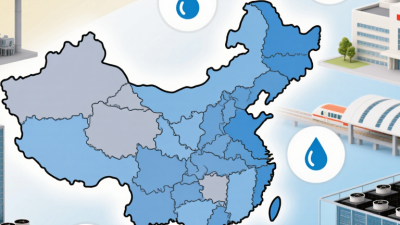
China’s district-heating network serves a vast urban building stock. The 2022 China Urban Construction Statistical Yearbook reports more than 11 billion square metres of urban centralized-heating area. That scale matters. It also means small efficiency gains can affect many homes and workplaces. Yet long pipe routes and uneven building insulation can waste heat before it reaches a radiator.
Thermal energy storage helps balance heat supply and demand. Large insulated water tanks can store hot water during lower-demand hours, then release it during cold morning peaks. Seasonal storage can retain summer heat for winter use, though land, construction costs, and local geology can limit deployment. IRENA’s Innovation Outlook: Thermal Energy Storage describes storage as a way to integrate renewable heat and improve system flexibility. In practice, operators still need reliable temperature data and well-maintained pumps; storage is not a cure for leaky pipes.
Tips: Check return-water temperatures and pipe insulation before adding storage. A poorly tuned network can store heat efficiently, then lose it on the way to buildings. That detail is easy to overlook.