
What Are the Top 10 Blender Products for Global Buyers?
Choosing the right blender products requires more than comparing prices and motor wattage. Global buyers must examine performance, safety, durability, and supplier reliability together. A blender that handles frozen berries may struggle with hot soup or thick nut butter. Small details matter, too. Jar material, blade design, noise levels, plug types, and replacement parts can affect daily use.
This guide evaluates ten blender products through practical buying criteria and verified product information. It considers blending power, speed control, cleaning convenience, warranty coverage, and compatibility with regional electrical standards. Food-contact materials should be clearly identified and suitable for their intended use. Buyers should also review certifications required in their markets, because approval requirements differ across countries. Real customer feedback can reveal weaknesses that polished product pages do not mention. However, reviews are not always consistent. A popular model may still disappoint users with fragile lids or difficult controls. That is worth remembering. Supplier communication also deserves attention. Clear documentation, stable packaging, spare-part access, and responsive support often separate dependable products from risky purchases. The final selection should match the user’s recipes, volume needs, budget, and expected service life. No single blender fits everyone. This comparison aims to provide a balanced starting point for importers, retailers, hospitality businesses, and household buyers seeking reliable blender products for international markets.
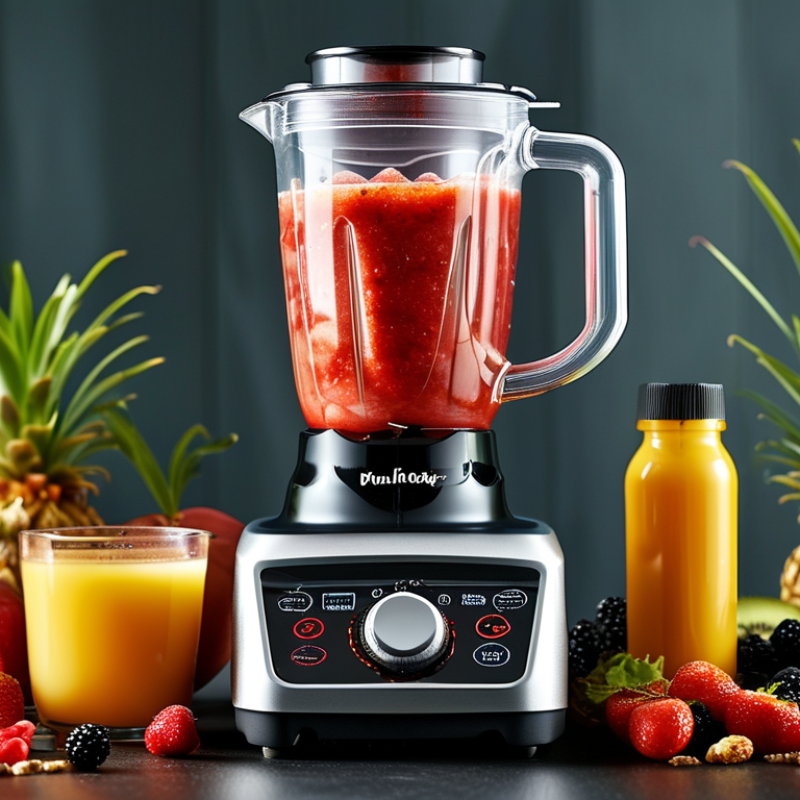
Blender Types and Features Global Buyers Should Understand
What Are the Top 10 Blender Products for Global Buyers?
Blender Types and Features Global Buyers Should Understand
Global buyers should compare blender types before comparing prices. The ten practical categories include personal, portable, countertop, immersion, vacuum, heated, commercial high-speed, food-processor hybrid, glass-jar, and stainless-steel models. Each serves a different task. Personal units suit one serving and quick cleanup. Portable models usually use rechargeable batteries, but their smaller motors limit frozen-food performance. Countertop blenders offer stronger torque, larger jars, and preset programs. Immersion blenders work directly inside pots and narrow containers.
Power is not the whole story. A high-wattage motor can still produce uneven textures. Blade geometry, jar shape, cooling design, noise control, and overload protection matter more in daily use. Heated models can blend and cook soup, while vacuum models reduce visible foam. Commercial high-speed units need durable couplings and long duty cycles. Glass jars resist odors, but they add weight and breakage risk. Stainless-steel jars are durable, although users cannot view the mixture clearly.
Grand View Research reported that the global blender market was valued at over USD 2 billion in 2023, with continued growth expected through 2030. Its analysis highlights rising demand for convenience and multifunctional appliances. Euromonitor’s household appliance research also connects small-kitchen growth with urban lifestyles and limited counter space. These figures support compact, versatile designs. Still, market reports rarely reveal repair quality or local service access. Buyers should verify voltage, plug compatibility, spare-part availability, warranty terms, and food-contact certifications. A quieter motor may be useful, but testing methods differ widely. That detail is easy to miss.
What Are the Top 10 Blender Products for Global Buyers? - Blender Types and Features Global Buyers Should Understand
| No. | Blender Product Type | Typical Capacity | Typical Rated Power | Common Speed Range | Best Suited For | Key Features | Typical Container Material | Global Buyer Considerations |
|---|---|---|---|---|---|---|---|---|
| 1 | Countertop Blender | 1.2–2.0 L | 500–1,500 W | 10,000–25,000 rpm | Smoothies, soups, sauces, frozen drinks | Multiple speed settings, pulse function, removable blade assembly | Glass or BPA-free plastic | Check plug type, voltage, thermal protection, noise level, and spare-part availability. |
| 2 | Personal or Single-Serve Blender | 0.3–0.8 L | 250–900 W | 12,000–23,000 rpm | One-person smoothies, protein drinks, baby food | Travel cups, compact footprint, one-touch operation | BPA-free Tritan or polypropylene | Confirm cup leak resistance, dishwasher suitability, motor duty cycle, and local safety certification. |
| 3 | Immersion or Hand Blender | 0.5–5.0 L working container | 200–1,000 W | 8,000–20,000 rpm | Soups, purées, sauces, whipped mixtures | Direct blending in pots, detachable shaft, optional whisk or chopper attachments | Stainless steel shaft with plastic grip | Evaluate ergonomic design, splash control, shaft length, attachment compatibility, and cleaning method. |
| 4 | High-Performance Blender | 1.5–2.5 L | 1,200–2,500 W | 20,000–35,000 rpm | Ice, nuts, fibrous vegetables, thick mixtures | Heavy-duty motor, variable speed control, tamper tool, programmed cycles | Impact-resistant plastic or reinforced glass | Review continuous operating time, overload protection, cooling design, and acoustic performance. |
| 5 | Commercial Bar Blender | 1.4–2.5 L | 1,000–2,000 W | 18,000–30,000 rpm | Cocktails, frozen beverages, cafés, juice bars | Fast cycle times, pulse control, durable drive coupling, sound enclosure options | Polycarbonate or copolyester | Prioritize serviceability, cycle consistency, sound control, warranty terms, and food-contact compliance. |
| 6 | Quiet or Sound-Enclosed Blender | 1.4–2.0 L | 1,000–1,800 W | 15,000–28,000 rpm | Hotels, open kitchens, cafés, offices | Sound shield, vibration damping, automatic programs, front controls | BPA-free copolyester or polycarbonate | Ask for measured noise data, enclosure ventilation, counter clearance, and ease of access for cleaning. |
| 7 | Vacuum Blender | 1.0–1.5 L | 800–1,500 W | 15,000–28,000 rpm | Smoothies and mixtures where reduced oxidation is desired | Air-removal cycle, sealed container, automatic blending programs | BPA-free plastic with sealed lid | Check vacuum-pump durability, seal replacement cost, operating noise, and cleaning requirements. |
| 8 | Heating or Soup Blender | 1.0–1.7 L | 800–1,500 W blending; 800–1,200 W heating | Low to 20,000+ rpm | Hot soups, sauces, porridge, warm beverages | Integrated heating element, temperature controls, timed cooking programs | Heat-resistant glass or stainless steel | Verify thermal safety, pressure management, minimum-fill limits, insulation, and local electrical requirements. |
| 9 | Food-Processing Blender System | 1.5–3.5 L | 600–1,500 W | Variable, typically up to 20,000 rpm | Chopping, shredding, kneading, slicing, blending | Interchangeable discs, processing bowl, feed tube, safety interlock | BPA-free plastic bowl with stainless steel blades | Compare included accessories, storage needs, lock mechanisms, replacement parts, and dishwasher guidance. |
| 10 | Industrial Batch Blender | 5–100+ L | 1.5–15+ kW | Typically 500–6,000 rpm | Food production, beverage processing, sauces, emulsions | Stainless-steel vessel, high-shear mixing head, programmable controls, safety interlocks | Food-grade stainless steel | Assess batch size, viscosity range, clean-in-place capability, motor duty rating, installation, and electrical standards. |
Note: Specifications are typical market ranges for product classification and may vary by model, operating load, regional voltage, and manufacturer configuration.
Related Posts
-
Top Blender Products You Need for Your Kitchen Today?
-
Top 10 Air Handling Unit Features Buyers Should Consider?
-

10 Best HVAC Videos for Homeowners to Improve System Efficiency
-

What is an Industrial HVAC Unit and Its Importance in Modern Buildings
-

Top 10 Benefits of HVAC Systems for Your Home?
-
The Ultimate Guide to Choosing the Best Air Blender for Smoothies and More