Selecting the right industrial HVAC system can be a daunting task. According to Dr. Emily Chen, a leading expert in the industrial HVAC field, "Understanding your facility's unique needs is crucial for optimal system performance." This statement highlights the importance of personalization in HVAC choices.
The industrial HVAC sector is diverse, and each facility has distinct requirements. Factors such as building size, usage patterns, and climate influence system selection. Ignoring these specifics can lead to inefficiencies and higher costs.
Many businesses often overlook the significance of energy efficiency. Choosing an outdated system may seem cost-effective initially but can lead to greater expenses in the long run. Proper research and expert advice can guide you toward making informed decisions. Reflecting on these elements can provide clarity in this complex process.
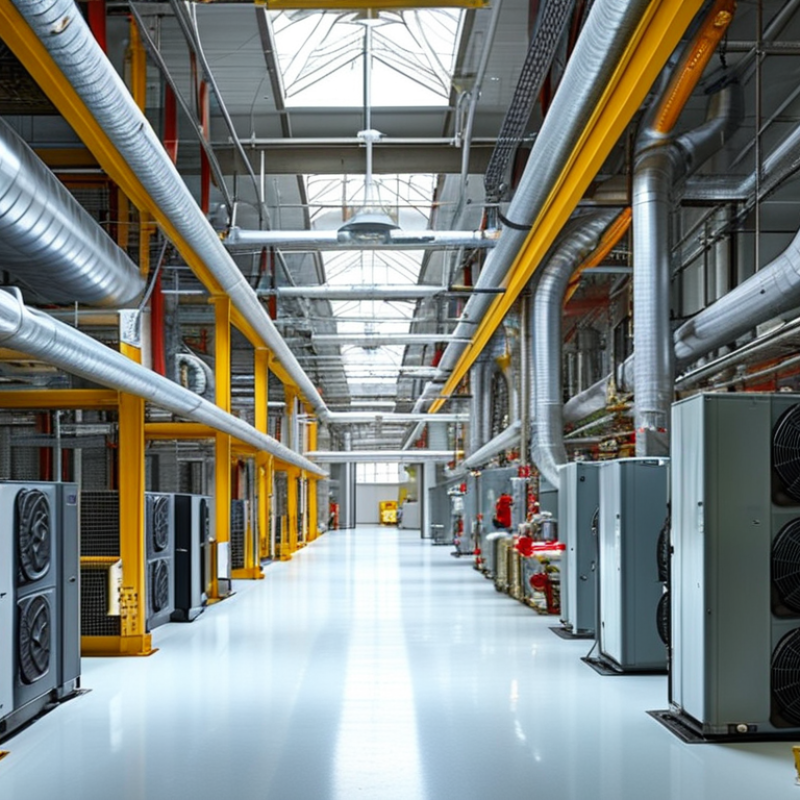
Selecting the right industrial HVAC system is crucial for efficiency and cost-effectiveness. There are various types of HVAC systems, each with unique functionalities and benefits. Understanding these differences is essential for making an informed decision.
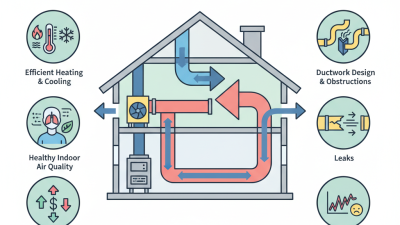
Central systems are common in larger spaces. According to the U.S. Department of Energy, these systems can reduce energy costs by 30-40% when designed correctly. They distribute conditioned air through ducts. However, they require maintenance. Left unchecked, duct leaks can lead to a significant drop in efficiency.
On the other hand, packaged systems are a popular choice for smaller applications. They combine all components into one unit, simplifying installation. However, their capacity might limit larger facilities. Studies from ASHRAE show that the right sizing is critical. An oversized system can lead to short cycling, reducing comfort and increasing wear on components. Balancing these considerations ensures optimal performance and longevity of the HVAC system.
When choosing an industrial HVAC system, evaluating energy efficiency ratings is crucial. High energy efficiency can lead to lower utility costs, making your facility more sustainable. However, understanding these ratings can be complex and may require some research. Specifications may vary across systems, and not all manufacturers present their data clearly.
Look closely at the Seasonal Energy Efficiency Ratio (SEER) and Energy Efficiency Ratio (EER). A higher SEER signifies better efficiency in cooling. EER reflects performance at high temperatures. Both metrics are essential for evaluating energy efficiency. Watch out for misleading marketing. Not every “energy-efficient” system delivers real savings.
Consider also the size of your facility. A system too large or small will waste energy. Consulting with a professional can prevent costly mistakes. Laypeople often overlook small details, such as insulation quality, which deeply impact system performance. Regular maintenance is also vital. Systems that are not properly maintained become less efficient over time.
Choosing the right HVAC system for industrial applications hinges on proper sizing. A well-sized system enhances energy efficiency and maintains comfort. The American Society of Heating, Refrigerating and Air-Conditioning Engineers (ASHRAE) recommends evaluating cooling loads meticulously. This ensures the system can handle the demands of the space without unnecessary energy consumption.
Key factors in sizing include building materials, internal heat gains, and occupancy levels. For instance, a facility with large windows may require more cooling power. The ASHRAE Handbook indicates that improper sizing can lead to energy losses of up to 30%. Such losses can seriously impact operational costs and overall system longevity.
Consider the layout of your facility. Zones with different heating and cooling demands may need tailored solutions. An HVAC system that lacks flexibility can lead to overworking and increased wear. Remember, regular assessments and recalibrations of your HVAC system are often neglected but crucial for efficiency. Assess your current needs as production levels fluctuate.
Think critically about maintenance. Regular checks can catch inefficiencies before they escalate. Every building presents unique challenges. Don't overlook the importance of consulting with HVAC professionals. Their expertise can guide you in making informed decisions on sizing and system selection.
When selecting an industrial HVAC system, installation and maintenance costs are critical considerations. According to a report by the U.S. Department of Energy, installation costs can range from $5 to $15 per square foot, depending on system complexity and building size. This variance underlines the need for careful planning and design. Poor installation can lead to inefficiencies, resulting in increased operating costs over time.
Maintenance costs also play a significant role. The Building Owners and Managers Association indicates that regular maintenance can save up to 30% in energy expenses. However, many facilities neglect this aspect, leading to higher bills and equipment failures. Routine checks and professional servicing are essential for optimal performance.
Choosing the right system involves not just initial costs but long-term perspectives as well. Without proper maintenance, even the best systems can become liabilities. Facilities should evaluate their unique needs and consider lifecycle costs. It’s a balance between upfront investment and ongoing efficiency. The learning curve for managing HVAC systems can be steep, indicating the importance of expert consultation during the decision-making process.
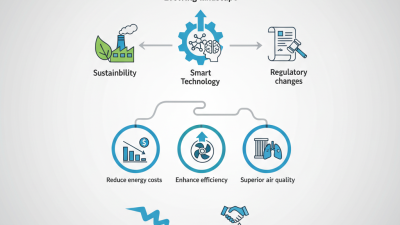
Choosing the right industrial HVAC system requires thorough consideration of regulatory compliance and environmental factors. Regulations often vary by industry and location but typically align with national and local standards. For example, in the U.S., the ASHRAE Standard 90.1 outlines energy efficiency requirements for HVAC systems, helping companies minimize energy consumption. Failing to meet these compliance standards can lead to significant fines and operational setbacks.
Environmental considerations further complicate the decision-making process. The use of refrigerants with low global warming potential is increasingly mandated. According to the Environmental Protection Agency, the phasing out of high-GWP refrigerants is crucial for reducing greenhouse gas emissions. Many facilities face challenges in adapting to these changes. Some companies invest in training to ensure staff are knowledgeable about new regulations and technologies. However, gaps in understanding remain, leading facilities to struggle with compliance.
Consideration of both compliance and environmental impact should guide the selection process. Investing in systems that enhance indoor air quality while adhering to legal requirements pays off in the long run. It may require balancing upfront costs against long-term savings. The complexity of compliance can lead to uncertainty, highlighting the need for continuous education and consultation with professionals in the field.