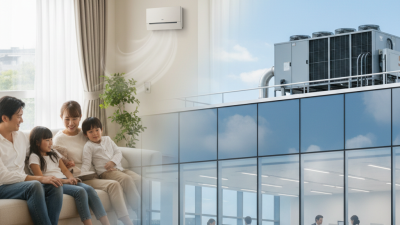
Upgrading your HVAC system can be a game-changer for your home. According to HVAC expert John Smith, “A modern system can reduce energy bills and enhance comfort.” Many homeowners overlook the importance of efficient heating and cooling. An outdated system can lead to poor air quality and higher utility costs.
The advantages of upgrading your HVAC system are significant. Improved technology offers better performance, using less energy to achieve desired temperatures. Think about the joy of a consistently comfortable home without the spikes in energy bills. However, some may hesitate, pondering the cost of a new system. This is a common concern, but consider the long-term savings and benefits.
An upgrade may seem daunting, but it can also be a refreshing change. The right choice will ensure a healthier environment. It is essential to evaluate your current system’s efficiency. If your HVAC struggles to keep up, it’s time to upgrade your HVAC system. Reflect on your home’s needs, and embrace the potential for greater comfort.
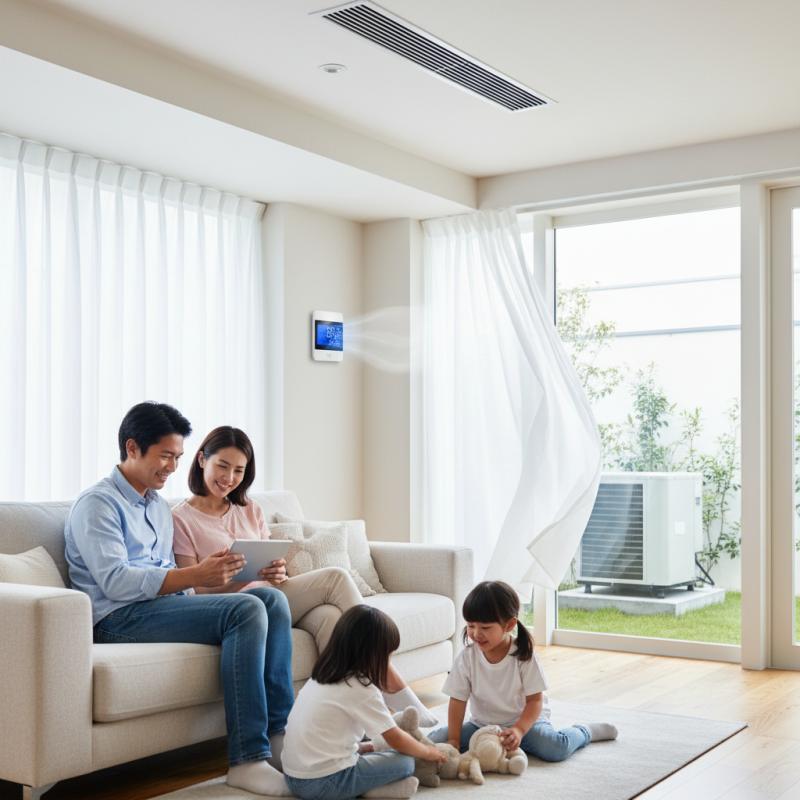
Upgrading your HVAC system can significantly improve energy efficiency and comfort in your home. Older systems often consume more energy and fail to regulate temperature effectively. Newer models are designed with advanced technology. This can lead to lower energy bills and a more consistent indoor climate.
Energy efficiency should be a priority. An efficient HVAC system reduces your carbon footprint. This not only benefits the environment but can also lead to significant savings over time. Many homeowners overlook the potential savings. They assume upgrades are too expensive. However, the long-term benefits often outweigh the initial costs.
Tips for a successful upgrade: research the latest energy-efficient models before making a decision. Consult with HVAC professionals to ensure you choose a system that suits your home’s size and needs. Monitor your energy bills before and after the upgrade. This can help you see the real impact on your expenses and comfort. Upgrading might seem daunting, but it’s a worthy investment in your home's future.
Indoor air quality significantly impacts our health and well-being. An efficient HVAC system plays a vital role in maintaining that quality. These systems filter dust, allergens, and pollutants. With improved technology, modern units can better capture microscopic particles. This leads to cleaner air circulating throughout your home.
Higher efficiency systems can reduce moisture levels as well. Excess humidity can lead to mold growth and discomfort. Balancing humidity is essential for a healthy environment. Regular maintenance of your HVAC can enhance its performance, ensuring it continues to function well. However, many homeowners overlook this aspect.
Sometimes, the initial investment in an upgraded system can be daunting. Evaluating the long-term benefits such as lower energy bills is essential. While not everyone may afford immediate upgrades, exploring options is crucial. Consider discussing with professionals about tailored solutions for your home.
Upgrading your HVAC system can greatly enhance energy efficiency and home comfort. Older systems consume significantly more energy. They often rely on outdated technology, leading to higher utility bills. For instance, many old models operate below 60% efficiency. This inefficiency can lead to excessive wear and a need for frequent repairs.
New HVAC systems integrate advanced features. They often use variable speed motors and smart thermostats. These innovations offer tailored heating and cooling schedules. As a result, homeowners report energy savings of up to 30%. However, initial installation costs can deter some. It requires careful financial planning and awareness of long-term benefits.
It’s crucial to consider local climate and home size. A one-size-fits-all approach won’t work. Some new models might be too powerful, leading to short cycling and discomfort. Consulting an HVAC professional is often necessary. They can help determine the best fit for your specific needs.
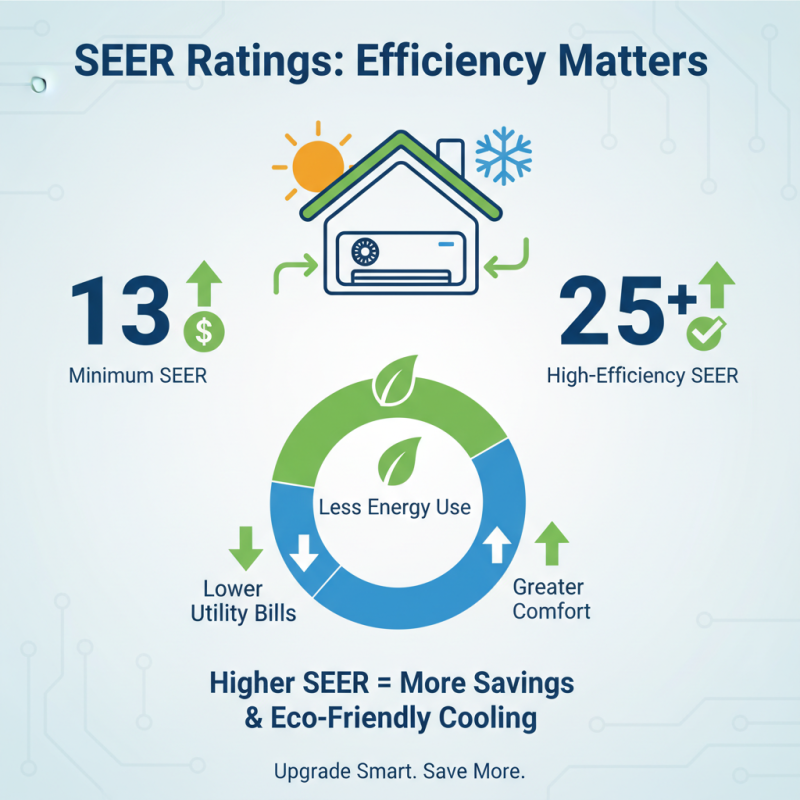
When considering an HVAC upgrade, understanding SEER ratings is crucial. SEER stands for Seasonal Energy Efficiency Ratio. It measures air conditioning efficiency over a season. A unit with a higher SEER rating uses less energy for the same amount of cooling. This can significantly lower utility bills, making it a smart financial choice.
Many homeowners overlook SEER ratings. They may focus on initial costs instead. This can lead to higher long-term expenses. A poorly rated system may break down more frequently. Regular maintenance costs can escalate if efficiency is not prioritized. A little research on SEER ratings can prevent regrets later.
In hot climates, an efficient HVAC system is vital. You need a unit that can cool your home effectively. A higher SEER rating often means smoother operation and better comfort. Your indoor temperature stays consistent. Still, it's essential to consult with professionals. They can recommend the best system based on your specific needs.
Upgrading your HVAC system is essential for maximizing comfort and efficiency in your home. Modern HVAC technologies offer innovative solutions. Smart thermostats, for example, allow users to control temperatures remotely. This feature not only enhances comfort but also optimizes energy use. As a result, you may notice a decrease in monthly utility bills.
Investing in variable speed systems is another excellent choice. These systems adjust airflow based on the home’s needs. They provide consistent heating and cooling, which contributes to a stable indoor environment. Homeowners often report feeling more comfortable during extreme weather conditions.
Tips: Regular maintenance is crucial for any HVAC system. Schedule annual check-ups to ensure optimal performance. Additionally, consider adding insulation to ducts to prevent energy loss. Reflecting on your habits can lead to better energy-saving choices. Small changes can make a significant impact on comfort and efficiency in your home.