Why Choose Quick Coupling Connectors for Global Sourcing?
Why Choose Quick Coupling Connectors for Global Sourcing?
Global sourcing increasingly depends on components that reduce downtime, simplify maintenance, and support consistent quality across different markets. A Quick Coupling Connector can connect hydraulic, pneumatic, coolant, or fluid-transfer lines without complex tools. That matters on a factory floor where every minute of maintenance affects production.
The market is expanding. Grand View Research reports continued growth in the global quick disconnect coupling market, driven by construction, agriculture, manufacturing, and energy equipment. MarketsandMarkets also identifies automation and fluid-handling efficiency as important forces behind connector demand. These reports show opportunity, but they do not remove sourcing risks. Material grades, sealing performance, thread standards, and supplier testing still require close inspection.
“Reliable connections are the foundation of reliable fluid power,” says Eric Lanke, president and chief executive officer of the National Fluid Power Association. His point is simple. Small components can influence large systems. A leaking coupling may leave oil beneath a machine, create contamination, or stop a production line unexpectedly.
Global buyers often choose Quick Coupling Connector suppliers for broader production capacity, competitive pricing, and access to specialized engineering. Still, lower cost is not enough. A supplier should provide traceable materials, pressure-test records, dimensional drawings, and realistic delivery commitments. ISO 7241 and ISO 14541 compatibility may also matter, depending on the application.
The decision is not always obvious.
A technically suitable connector can fail through poor installation or mismatched seals. I have seen sourcing plans focus heavily on price and overlook replacement availability. That is an uncomfortable lesson. Reliable global sourcing requires both commercial discipline and hands-on validation. Sampling, field testing, and supplier audits remain essential.
Definition and Core Function of Quick Coupling Connectors
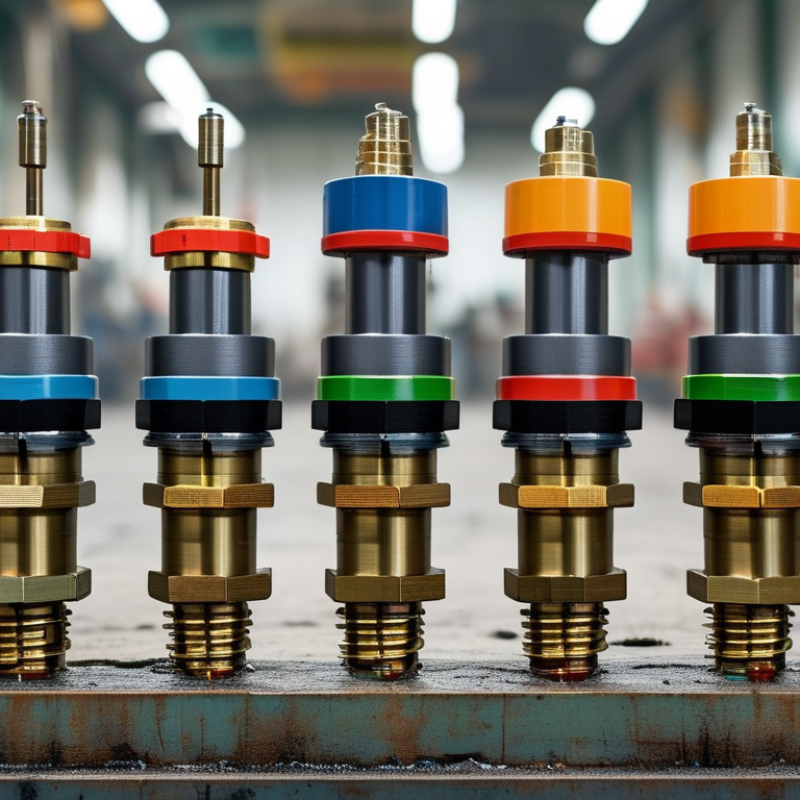
Quick coupling connectors are mechanical devices that join fluid or gas lines without lengthy threading or specialized tools. A coupling normally has two parts: a plug and a socket. When connected, internal valves open and create a continuous flow path. When separated, the valves close to limit leakage, contamination, and unwanted air entry.
Their core function is simple: make line connections faster, safer, and easier to maintain. In a manufacturing plant, an operator can connect a hose with a firm push, then hear or feel the locking mechanism engage. This matters during equipment changes, cleaning, and routine servicing. Some designs also prevent accidental disconnection under pressure. Small details matter.
For global sourcing, buyers should evaluate more than outside dimensions. Working pressure, temperature range, sealing material, fluid compatibility, and connection standards must match the application. A connector that fits physically may still fail with aggressive chemicals or repeated temperature changes. I have seen specifications treated as interchangeable when they were not. That mistake can delay production and increase maintenance costs.
Reliable selection also requires traceable test records, clear drawings, and consistent inspection criteria. Suppliers should explain flow capacity, pressure loss, cycle life, and leak-test methods. Couplings may reduce downtime, but they are not a universal solution. Poor alignment, damaged seals, or trapped pressure can shorten service life. A practical sourcing review should include samples, field testing, and honest discussion of uncertain conditions.
Why Choose Quick Coupling Connectors for Global Sourcing?
Quick coupling connectors are detachable fluid-transfer components that allow hydraulic or pneumatic lines to be connected and disconnected rapidly without tools. Their standardized nominal sizes support equipment compatibility across international supply chains.
The chart shows representative flow capacities associated with common ISO 7241 nominal coupling sizes. Actual flow depends on coupling design, pressure drop, fluid viscosity, temperature, and the manufacturer’s specifications.
Key Advantages for International Sourcing Operations
Global sourcing depends on predictable connections, not only attractive unit prices. UNCTAD reports that over 80% of global merchandise trade by volume moves by sea. Components may face salt air, vibration, temperature changes, and repeated handling before reaching a production line. Quick coupling connectors help sourcing teams standardize hose, fluid, and pneumatic interfaces across equipment. They can reduce connection time and simplify replacement during scheduled maintenance. Small detail, major impact.
The WTO’s Global Trade Outlook and Statistics projected merchandise trade growth of 2.6% in 2024 and 3.3% in 2025. More cross-border movement increases pressure on installation speed, spare-part planning, and supplier compatibility. Standardized quick couplings support these needs by reducing tool dependence and limiting fluid exposure during disconnection. ISO 16028-based flat-face designs are especially useful where cleanliness and reduced leakage matter. Procurement teams should still verify pressure ratings, seal materials, temperature limits, and dimensional compatibility.
In practice, the lowest quoted price can become expensive after one mismatch. A connector may fit physically but fail under actual pressure or chemical conditions. This is where technical drawings, sample testing, and traceable inspection records matter. Global sourcing is never perfectly frictionless. Some operating environments remain difficult to predict. A careful qualification process, supported by documented standards and supplier audits, makes quick coupling connectors a more reliable choice for international sourcing operations.
Materials, Designs, and Performance Standards
Why Choose Quick Coupling Connectors for Global Sourcing?
Material selection determines how a quick coupling survives real service. Carbon steel suits high-pressure hydraulic lines and offers strong cost control. Stainless steel performs better against salt spray, moisture, and aggressive cleaning agents. Brass remains practical for moderate pressure and general pneumatic systems. Seal choice also matters. NBR handles common mineral oils, while FKM tolerates higher temperatures and many chemicals. EPDM works well with water-based fluids, but it is unsuitable for petroleum oils. A small mismatch here can cause swelling, leakage, or early replacement.
Design affects installation speed and operating safety. ISO 7241 covers general hydraulic quick couplings, while ISO 16028 addresses flat-face designs with reduced spillage and contamination exposure. Ball-type couplings are widely used, but flat-face versions are often easier to clean in dusty workshops. Screw-to-connect designs can resist vibration better, although they take longer to install. In field testing, technicians should record connection force, visible leakage, pressure drop, and cycle life. The hand should not need excessive force.
Performance claims require measurable evidence. A 2024 MarketsandMarkets report estimated the hydraulic equipment market would grow at roughly 4% annually, increasing demand for interchangeable fluid connectors. However, market growth does not prove product quality. Buyers should compare rated pressure, flow capacity, temperature range, burst pressure, and tested connection cycles. Reports from ISO-based laboratories are more useful than broad catalog promises. One overlooked detail is cleanliness. Even a strong coupling may fail when particles scratch sealing surfaces. Global sourcing is efficient, but specifications must be reviewed against local fluids, climate, and maintenance habits. That assumption can fail.
Selection Criteria for Different Industrial Applications
Quick coupling connectors simplify global sourcing when equipment moves between suppliers, sites, and countries. Their value depends on selection, not appearance. In field maintenance, I have seen a small mismatch cause leaks, downtime, and expensive replacement work.
Start with the working conditions. Check fluid type, operating pressure, temperature range, flow rate, and connection size. Hydraulic oil, compressed air, water, and aggressive chemicals require different sealing materials.
Consider contamination control too. Flat-face couplings help reduce fluid loss during connection. Dry-break designs may suit sensitive processes, but they often cost more.
Pressure ratings need a safety margin. Do not select a coupling at its limit. That approach looks efficient until temperature or pressure changes. Review burst pressure, impulse cycles, vibration resistance, and connection frequency.
Threaded, bayonet, and push-to-connect designs each fit different maintenance routines. An operator wearing gloves may prefer a larger sleeve. A compact machine may require a shorter body.
Material compatibility matters across international supply chains. Stainless steel may support harsh environments, while plated steel can suit less demanding systems. Confirm seal performance with actual media, not a general catalog chart.
Check dimensional standards, certification requirements, interchangeability, and spare-part availability in the destination market. Traceable test records improve confidence.
Still, specifications can be incomplete, and real installations may behave differently. Pilot testing under load remains worthwhile before approving large-volume procurement.