Why Choose Pu Foam Sealant Wholesale in China for Your Needs?
In the realm of construction and insulation, the demand for high-quality sealants has surged. One industry expert, Dr. Mark Liu, a leading authority on insulation materials, emphasizes, "Choosing the right sealant is crucial for long-term efficiency." This speaks volumes about the importance of selecting a reliable product, especially when considering Pu Foam Sealant Wholesale In China.
China has emerged as a key player in the global sealant market, providing diverse options. Companies often seek wholesale suppliers for better pricing and bulk availability. However, navigating this market can be overwhelming. Ensuring quality while balancing cost is vital. The right sealant not only saves money but also enhances building performance.
The advantages of Pu Foam Sealant Wholesale in China extend beyond just cost. It offers superior insulation properties and ease of application. Yet, not all suppliers maintain the same standards. Due diligence is essential. Buyers should evaluate suppliers and seek products that meet specific needs. In this competitive landscape, making informed decisions can lead to successful projects and happy clients.
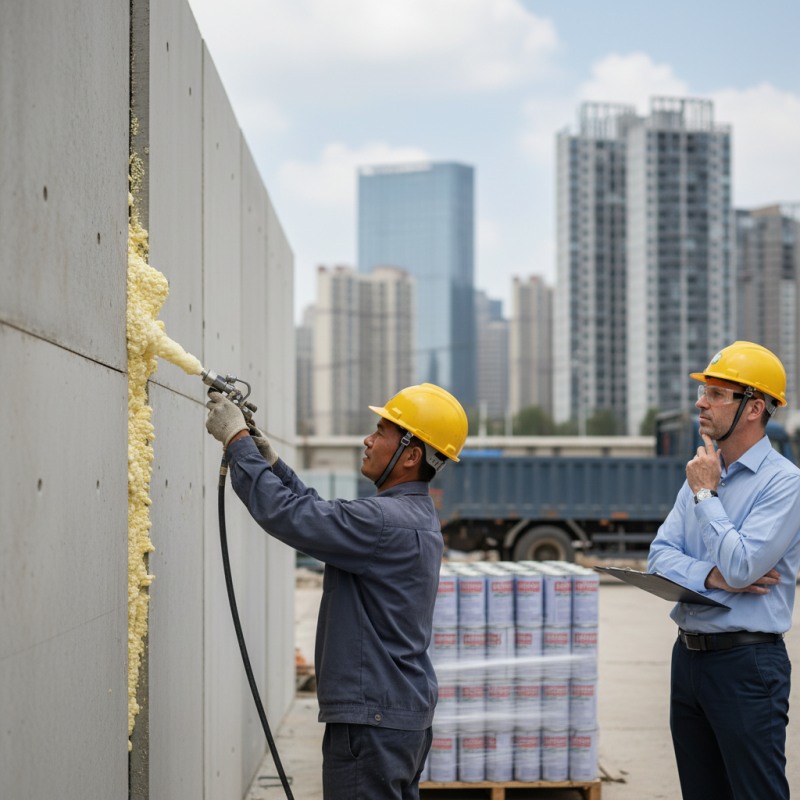
Understanding Pu Foam Sealant and Its Benefits
Polyurethane (PU) foam sealant is a versatile material used in construction and insulation. Its unique properties make it an excellent choice for sealing gaps and cracks. PU foam expands to fill spaces efficiently. This feature helps create airtight seals, reducing energy loss in buildings. It also offers excellent adhesion and durability, making it reliable in various applications.
When choosing a PU foam sealant, consider the climate. Some products perform better in high humidity, while others are suitable for dry conditions. Proper application techniques are essential. A clean surface ensures better adhesion and longevity of the seal. It's important to wear protective gear when applying foam. The chemicals can irritate the skin or eyes if not handled properly.
Tips for using PU foam sealant effectively include practicing on scrap materials first. This gives you a feel for the expansion and drying times. Additionally, always check the expiration date on the can. An expired product may not perform as expected. Lastly, store the foam in a cool, dry place to maintain its efficacy.
The Advantages of Wholesale Purchasing in China
When considering PU foam sealant, purchasing wholesale in China offers significant benefits. The cost savings are substantial. Buying in bulk often means lower prices per unit. This reduced cost can lead to better profit margins for businesses. Additionally, the variety of options available in China is impressive. Suppliers typically offer numerous formulations and packaging types, allowing for tailored selections.
Reliability is another key advantage. Many Chinese manufacturers adhere to strict quality controls. This focus on quality means that businesses can trust the products they purchase. It's crucial to partner with reputable suppliers, as this can impact the final product's effectiveness. However, not all distributors offer the same level of service or product consistency. Companies should be diligent in their supplier assessments.
Logistics can be challenging. Importing goods requires attention to detail. Timing, shipping costs, and customs regulations must be factored in. This complexity may lead to potential delays or unexpected fees. Nevertheless, the right planning can mitigate many issues. Engaging with experienced freight forwarders is often a wise choice. Ultimately, careful consideration and research can enhance the overall wholesale purchasing experience in China.
Why Choose Pu Foam Sealant Wholesale in China for Your Needs? - The Advantages of Wholesale Purchasing in China
| Dimension | Advantage | Description |
| Cost Effectiveness | Bulk Pricing | Wholesale purchases significantly reduce the cost per unit compared to retail pricing. |
| Quality Assurance | Standardized Products | Manufacturers in China maintain consistent quality across large batches. |
| Product Variety | Wide Selection | Access to a broad range of polyurethane foam sealants for various applications. |
| Supply Chain Efficiency | Streamlined Logistics | Established supply channels ensure timely delivery and reduced lead time. |
| Customization | Tailored Solutions | Manufacturers are often open to customizing formulas to meet specific needs. |
| Regulatory Compliance | Certification Support | Many suppliers assist clients in achieving necessary certifications for their markets. |
Evaluating Quality Standards for Pu Foam Sealant
When evaluating quality standards for PU foam sealant, focus on key criteria. The material should exhibit strong adhesive properties and excellent thermal insulation. A reliable sealant can withstand various weather conditions. Always check for certifications. Standards ensure the product meets necessary safety and performance criteria. Look for third-party test results to confirm quality.
Tips for selection: Assess the density of the foam. Higher density usually indicates better quality. Consider the expansion ratio too; it affects performance during application. Pay attention to curing time. A quicker curing time means faster project completion. However, ensure it does not compromise strength.
Look for manufacturers that prioritize quality control. Transparency in the production process is crucial. Ask for samples before bulk purchasing. Testing the product can reveal its true performance. Remember, a lower price may not always equal good value. Sometimes, investing in quality avoids future issues.
Key Factors to Consider When Choosing a Supplier
When selecting a supplier for PU foam sealant in China, several key factors come into play. Experience is critical. A supplier with a strong track record understands the market demands. They should have years of proven reliability in delivering quality products. Assessing their portfolio can speak volumes about their capabilities and consistency.
Quality assurance is another vital consideration. Suppliers that prioritize rigorous quality testing tend to offer superior products. Look for certifications and industry standards they uphold. This can ensure the foam sealant you receive will meet your specific needs. Additionally, communication plays a significant role. A responsive supplier can facilitate smoother transactions and troubleshoot issues quickly.
Price matters, but it is not everything. The cheapest option may lead to compromised quality. Reflect on your priorities. Are you willing to pay a bit more for reliable support and durability? Balancing cost with quality can maximize your investment. Always keep the long-term benefits in mind when making your choice.
Potential Cost Savings and Efficiency of Wholesale Options
When considering foam sealants, purchasing wholesale in China can lead to significant cost savings. A report from the Market Research Future indicated that the global polyurethane foam market is expected to grow at a CAGR of 7% from 2020 to 2025. This trend suggests that sourcing materials wholesale can reduce unit costs. Companies often buy in bulk to ensure their production lines operate smoothly while benefiting from lower pricing.
Efficiency is another crucial factor. A Chinese exporter recently revealed that their wholesale operations allow for faster manufacturing times. By streamlining the supply chain, businesses can reduce delivery delays. The available data suggests that companies engaging in wholesale transactions see a reduction in logistical challenges of up to 30%. However, navigating the complexities of overseas procurement requires careful planning and an understanding of local regulations.
Despite the advantages, there are potential pitfalls. Quality control can be inconsistent when sourcing from multiple suppliers. Additionally, fluctuations in currency exchange rates can impact overall costs. Companies must weigh these risks against the overall savings to make informed decisions. Choosing the right supplier involves diligent research and clear communication about standards.