Wholesale 50ml Perfume Bottles for Global Buyers 2026?
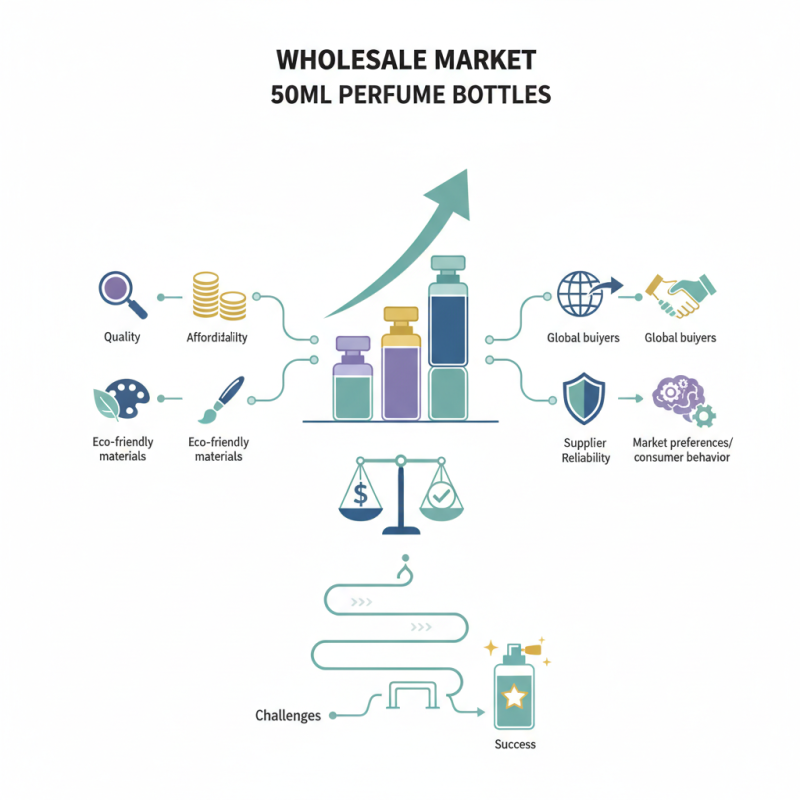
As the global demand for fragrances continues to rise, the market for 50ml Perfume Bottle Wholesale is expanding rapidly. Buyers today seek both quality and affordability. This growing trend presents unique opportunities for suppliers worldwide. Creative designs and eco-friendly materials are becoming increasingly important. Many buyers prefer custom branding options, which adds another layer of complexity to the wholesale process.
However, navigating this competitive landscape is challenging. Suppliers must understand market preferences and changing consumer behaviors. It's essential to balance price competitiveness with high-quality offerings. Keeping track of scent trends is just as vital as managing production costs.
Buyers should also pay attention to supplier reliability. Scams and low-quality products can tarnish a brand’s reputation. Establishing a trustworthy relationship with suppliers is crucial. The journey toward securing quality 50ml perfume bottle wholesale may have its obstacles, but with careful planning and strategic partnerships, success is achievable.
Trends in the Global Wholesale Perfume Bottle Market for 2026
As we look ahead to 2026, the wholesale perfume bottle market is set to evolve significantly. With a growing demand for unique and eco-friendly designs, buyers must stay informed about the latest trends. Sustainability is becoming crucial. Eco-conscious manufacturers are creating bottles from recycled materials, attracting environmentally aware consumers.
Tips: Consider the aesthetic appeal of bottle designs.
Unique shapes and colors can enhance brand identity. Also,
research eco-friendly options thoroughly. Many suppliers offer sustainable solutions that can attract a broader customer base.
Customization is another vital trend. Brands want
bottles that reflect their image and story.
Personalized packaging can make a significant difference. Customers appreciate bottles that
tell a tale. This personal touch can elevate their purchasing experience.
Challenges remain, though. Navigating the balance between
customization and cost can be tricky. Not every design will appeal to every buyer. Brands need to ensure their choices resonate with their audience. Remaining flexible and adaptable will be key to success in this competitive market.
Market Analysis: Demand for 50ml Perfume Bottles by Region
The demand for 50ml perfume bottles is expected to see significant growth across various regions by 2026. According to a recent market analysis report, the global market for perfume packaging is projected to reach USD 31 billion by 2026. This increase is driven by a growing preference for travel-sized containers.
In North America, the demand for 50ml bottles is rising due to the on-the-go lifestyle of consumers. The region accounts for about 30% of the total market share. This reflects a shift towards convenience and portability. Meanwhile, the Asia-Pacific region is emerging as a promising market, with a growth rate of nearly 8% annually. Unique fragrance profiles and the rising purchasing power are helping boost this growth.
However, challenges remain. Supply chain disruptions and fluctuating raw material costs may hinder manufacturers. Companies must adapt to changing consumer preferences and enhance their packaging designs to stay competitive. Not all suppliers can meet these needs effectively. The focus should be on quality and sustainability, marrying consumer desires with responsible practices to ensure lasting impact in the market.
Wholesale 50ml Perfume Bottles for Global Buyers 2026 - Market Analysis
| Region | Projected Market Size (Million USD) | Annual Growth Rate (%) | Key Trend |
| North America | 150.5 | 5.2 | Sustainability initiatives |
| Europe | 120.3 | 4.8 | Natural ingredients |
| Asia-Pacific | 200.7 | 7.5 | E-commerce growth |
| Latin America | 60.2 | 3.5 | Regional scents popularity |
| Middle East & Africa | 40.9 | 6.0 | Luxury fragrance demand |
Key Manufacturers and Their Market Share in 2026 Perfume Industry
The global perfume industry is on an upward trajectory, with market growth expected to reach $42 billion by 2026. Key manufacturers play a crucial role in shaping this landscape. Their market share and strategies significantly influence trends. Recent data reveals that top companies dominate over 30% of the market. Understanding their approaches helps forecast future developments.
Tips: Research upcoming brands and local manufacturers. They may offer unique products at competitive prices.
Additionally, innovation in packaging is vital. Sleek, eco-friendly designs attract environmentally conscious consumers. With perfume bottles being a fundamental aspect of branding, manufacturers are investing in sustainable materials. This shift aligns with consumer demand for responsible luxury.
Some brands, however, struggle with consistent quality. This inconsistency can deter buyers. Continuous improvement and adaptation to market needs are essential for long-term success.
Sustainability Practices in the Production of Wholesale Perfume Bottles
The production of wholesale perfume bottles is undergoing a significant transformation, driven by sustainability practices. According to recent industry reports, the global market for sustainable packaging is projected to reach $500 billion by 2026. Companies are increasingly prioritizing eco-friendly materials. This shift reflects a growing consumer preference for products that minimize environmental impact.
Recycled glass is one popular choice for manufacturers. Utilizing this material can reduce carbon emissions by up to 30%. Additionally, biodegradable plastics are emerging as an alternative. These innovations represent a crucial step toward a cleaner production process. However, there are challenges. Not all manufacturers have the resources to adopt these sustainable practices. Many still rely heavily on traditional methods.
The industry must address its carbon footprint. Current practices often lead to significant waste, undermining sustainability efforts. A comprehensive approach is essential. This includes optimizing production lines and sourcing materials locally to reduce transportation emissions. As stakeholders push for greener solutions, accountability will be key. Performance metrics must be established to track progress and facilitate improvement.
Global Trends in Sustainability Practices for Perfume Bottle Production (2026)
This chart illustrates the adoption rates of various sustainability practices in the production of wholesale perfume bottles projected for 2026. These practices are essential for addressing environmental concerns within the cosmetics industry.
Consumer Preferences Shaping the Future of Perfume Bottle Designs
The perfume industry is evolving rapidly. Consumer preferences are changing the way perfume bottles are designed. Today's buyers value aesthetics, functionality, and sustainability. They seek bottles that reflect their personal style and environmental consciousness.
In recent surveys, many consumers expressed a desire for eco-friendly materials. Recyclable glass and biodegradable options are becoming popular. Another trend is the demand for unique shapes and artistic designs. Many individuals now choose bottles that double as decor. This shift leads to a more thoughtful approach to packaging. Brands must consider how their designs can make a statement.
However, balancing creativity and practicality is essential. Some designs may look stunning but lack usability. Complex shapes can make refilling difficult or impractical. Additionally, not every consumer appreciates avant-garde designs. Traditional elegance still has its place. Factors like size and ease of use should also be weighed carefully. The challenge lies in creating a product that satisfies diverse preferences while minimizing waste.