Upgrading your HVAC system can significantly enhance both efficiency and comfort in your home. According to John Smith, a leading HVAC expert, "An efficient HVAC system not only saves money but also improves indoor air quality." This makes the decision to upgrade your HVAC system critical for long-term benefits.
Many homeowners overlook the importance of regular system upgrades. Old units may lead to higher energy bills and less comfort. In fact, outdated systems often struggle to maintain stable temperatures. They can also contribute to poor air quality. These issues are reminders that neglecting an upgrade can have serious repercussions.
Investing in a new, efficient HVAC system creates a more comfortable living environment. It ensures proper airflow, temperature control, and humidity levels. Addressing these needs fosters a healthier home. It may require upfront costs, but the advantages are undeniable. Don't wait until your old system fails to consider an upgrade. Reflect on the comfort and efficiency that a new system could bring.
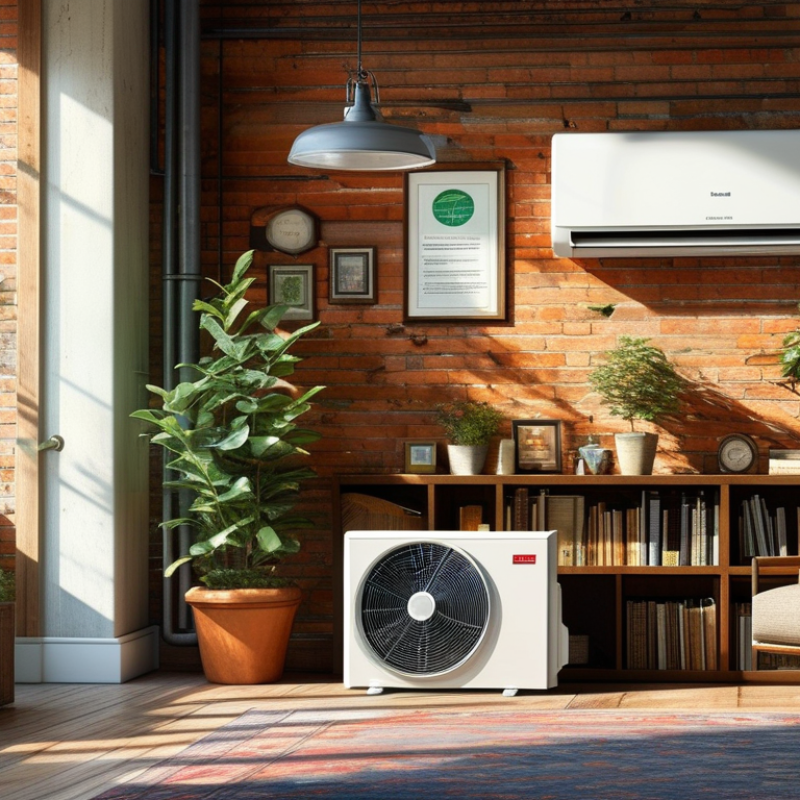
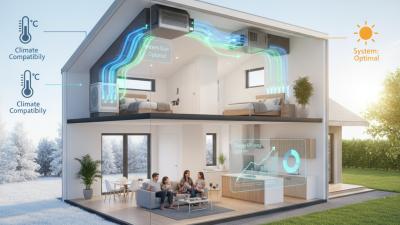
Understanding the components of an HVAC system is crucial for maximizing comfort and efficiency. An HVAC system consists of several key parts: the furnace, air conditioner, ductwork, and thermostat. Each of these components plays a specific role in regulating indoor climate.
The furnace heats air in winter. It uses fuel or electricity for energy. A well-maintained furnace can significantly improve energy efficiency. In contrast, an air conditioner cools indoor spaces during warmer months. It works by circulating refrigerant to absorb heat and release cool air. Over time, small issues may arise in these systems, leading to inefficiencies.
Ductwork is another integral part. Air travels through ducts, delivering conditioned air to rooms. Leaky ducts can waste energy, undermining efficiency. Lastly, the thermostat controls the system's operation. A precise thermostat can enhance comfort levels. Regular maintenance of all components ensures they function together effectively. Ignoring one part can lead to higher energy bills and discomfort.
This chart illustrates the Seasonal Energy Efficiency Ratio (SEER) of various HVAC system components. Higher SEER ratings indicate better energy efficiency, contributing to reduced utility costs and improved comfort.
Upgrade Your HVAC System for Optimal Efficiency and Comfort?
An HVAC system is crucial for maintaining comfort in your home. However, several signs indicate it may be time for an upgrade. If your energy bills have skyrocketed, it’s time to take action. Old systems often run inefficiently, wasting energy. This inefficiency not only costs more but affects your home's comfort level. You might notice hot or cold spots in different rooms. These inconsistencies often signal that your HVAC system is struggling to maintain even temperatures.
Frequent repairs are another glaring sign. If you're calling a technician multiple times a year, this is a red flag. Investing in repairs may not make sense long-term. Your HVAC system may be nearing the end of its lifespan. Typically, systems last about 15-20 years. If yours is approaching this mark, consider an upgrade. You deserve a system that functions reliably. Upgrading can also improve air quality, enhancing overall comfort. Think about your needs and assess whether your HVAC is meeting them adequately.
Upgrading to a high-efficiency HVAC system can transform your home's energy usage and comfort levels. Studies reveal that modern units can achieve efficiency ratings exceeding 90% compared to older systems, which often rate below 70%. This means that less energy is wasted, leading to lower utility bills. The U.S. Department of Energy reports that upgrading your HVAC system can save homeowners around 20%-30% on heating and cooling costs.
High-efficiency models also improve indoor air quality. Enhanced filtration systems capture allergens and pollutants more effectively. A report from the Environmental Protection Agency indicates that poor indoor air quality can lead to health issues, with nearly 50% of homes experiencing some level of contamination. By investing in a new HVAC system, homeowners not only gain energy savings but also create a healthier living environment.
However, transitioning to a new system is not without challenges. Initial costs can be high, and installation requires professional expertise. It's crucial to weigh these factors carefully. Reflecting on the long-term benefits can guide the decision-making process. Understanding that while high-efficiency systems involve an upfront investment, the potential for substantial savings and improved comfort cannot be overlooked. Making the right choice is essential for both your wallet and your wellbeing.
| Benefit | Description | Estimated Savings (%) | Environmental Impact |
|---|---|---|---|
| Improved Energy Efficiency | High-efficiency units use less energy to heat and cool your home. | 20-40% | Reduced greenhouse gas emissions |
| Enhanced Comfort | Provides better temperature control and humidity levels. | N/A | Improved indoor air quality |
| Lower Utility Bills | Significantly reduced energy costs over time. | 30% | Less strain on energy resources |
| Tax Incentives | Potential rebates and tax credits for upgrading. | Varies | Encourages use of renewable energy sources |
| Increased Home Value | New systems can enhance property marketability. | Varies | Promotes sustainable living |
Choosing the right HVAC system is crucial for ensuring comfort and energy efficiency. Start by assessing your space. Consider the size of your home or office, the number of rooms, and ceiling height. These factors will influence the type and capacity of the HVAC system you need.
Tips: Think about energy efficiency ratings. Systems with higher SEER ratings are designed to save on energy costs. Additionally, if your space has unique features, like large windows or open layouts, consult a professional. They can recommend tailored solutions.
Don't overlook the importance of maintenance. Even the best systems require regular care to function effectively. Filters need changing and ducts can accumulate dust. Neglecting these tasks can lead to inefficiencies. Regular check-ups can help identify small problems before they escalate.
Lastly, budget constraints can influence your choices. While high-efficiency systems often require a larger initial investment, they pay off in the long run through savings on energy bills. Balancing cost and performance is essential, but it’s worth taking the time to weigh your options.
Maintaining a new HVAC system is crucial for long-term performance. Regular maintenance can extend its lifespan by up to 15 years, according to the U.S. Department of Energy. Simple tasks like changing filters every 1-3 months can make a significant difference. Dirty filters can reduce efficiency by 15%. This impacts your energy bills and comfort level.
Additionally, scheduling professional inspections annually is vital. Technicians can identify issues early, preventing costly repairs. The Air Conditioning Contractors of America highlights that 70% of system failures occur due to lack of maintenance. A well-maintained system not only performs better but also reduces environmental impact.
Many homeowners overlook duct cleaning. Over time, dust and debris accumulate. This can lead to poor air quality and system strain. A study showed that clean ducts improve system efficiency by around 20%. It’s essential to be proactive, not reactive. Keeping your HVAC system in check demands attention and commitment for optimal results.