
Understanding the physics behind hydraulic pumps, or "гидравлический насос физика," is crucial for global buyers. In today's competitive market, the demand for efficient hydraulic systems is on the rise. Reports show that the global hydraulic pumps market was valued at approximately $14 billion in 2022 and is projected to grow at a CAGR of around 5% through 2030. This growth reflects the increasing need for advanced machinery in various industries, including construction, agriculture, and manufacturing.
Delving into the mechanics of hydraulic pumps reveals several complexities. Factors such as pressure, flow rate, and design play significant roles in performance. Many buyers make decisions based solely on price. However, one overlooked aspect is compatibility with existing systems. A mismatch can lead to inefficiencies and additional costs. Understanding these intricacies is essential for making informed investments in hydraulic technology.
Yet, many companies struggle with sourcing reliable information. This can lead to poor purchasing decisions. Buyers must seek credible resources and technical expertise to avoid these pitfalls. As the industry evolves, staying informed is vital for success. By mastering "гидравлический насос физика," buyers can enhance operational efficiency and long-term profitability.
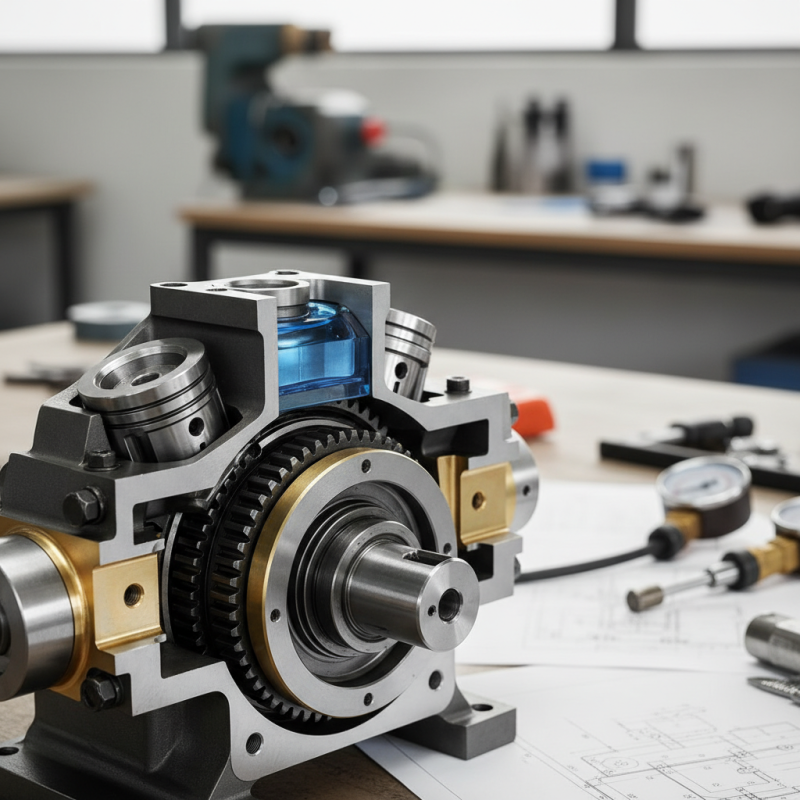
Hydraulic pumps are vital in many industries. Understanding their physics can empower buyers. The heart of a hydraulic system is the pump, which converts mechanical energy into hydraulic energy. This process relies on pressure differences. The pump draws fluid from a reservoir and pushes it through a system.
When selecting a hydraulic pump, consider flow rate and pressure. These parameters directly influence performance. Improper choices can lead to inefficiencies and increased costs. For example, a pump that is too small may struggle under high demand, while one that is oversized could waste energy.
The physics behind hydraulic pumps also involves fluid dynamics. Understanding viscosity is crucial. It affects how the fluid flows through the pump and pipes. If the fluid is too thick, it may cause cavitation. This phenomenon can damage the pump over time. Users must consider temperature and fluid properties carefully to avoid issues.
Hydraulic pumps are essential for many industrial applications. Understanding the different types of hydraulic pumps can help buyers make informed decisions. The most common types include gear pumps, piston pumps, and vane pumps. Each type has distinct operating principles and applications, which influence their efficiency and reliability.
Hydraulic pumps are essential in numerous industries, providing the power needed to perform heavy-duty tasks. Understanding their key components is crucial for buyers worldwide. Hydraulic pumps primarily consist of a housing, rotor, and hydraulic fluid. The housing protects the internal parts, while the rotor generates the needed pressure. Hydraulic fluid serves as the medium for force transfer, making its quality critical.
Another important aspect is the different types of hydraulic pumps. Gear pumps, for example, are simple but effective, often used in low-pressure applications. In contrast, piston pumps deliver high pressure and efficiency but can be more complex. Each type has advantages and disadvantages. Buyers need to evaluate their specific needs to make informed decisions.
Not all hydraulic pumps perform flawlessly in every setting. Some may face issues like leakage or cavitation, affecting overall efficiency. Regular maintenance is vital for longevity and performance. Understanding these mechanics can help buyers select the right pump for their application. The balance between cost and performance remains a challenge.
Hydraulic systems play a crucial role in various industries, relying heavily on flow rate and pressure for efficient operations. Flow rate, measured in liters per minute (L/min), describes the volume of fluid moving through a system. In a typical hydraulic application, flow rates can vary significantly. Depending on the system, a flow rate of 20 to 100 L/min is common for mobile machinery.
Pressure is equally important. It ensures that hydraulic components operate effectively. Hydraulic pressures often range between 50 to 300 bar. Equipment efficiency drops below optimal operating pressures. According to reports from industry experts, maintaining a stable pressure within this range can enhance performance and longevity of hydraulic pumps.
Yet, challenges persist. Not all systems achieve the desired flow rate and pressure. Factors like temperature, fluid viscosity, and pump design impact system efficiency. A detailed analysis is vital. Users need to assess their systems carefully to ensure optimal performance. Understanding these aspects can lead to smarter purchasing decisions in the global market. Adapting to these insights creates opportunities for enhanced productivity in hydraulic applications.
Hydraulic pump efficiency is crucial for various industries. Factors influencing this efficiency include design, materials, and fluid properties. Research indicates that system design can impact efficiency by as much as 30%. Understanding these factors can lead to substantial cost savings and increased performance.
One key factor is fluid viscosity. Higher viscosity fluids can reduce pump efficiency due to increased resistance. A study highlighted that using fluids with lower viscosity could improve energy efficiency by approximately 15%. Additionally, the selection of seal materials affects wear and performance lifespan. Better materials can reduce maintenance costs significantly.
Another aspect of hydraulic pump performance is the operating environment. External conditions, like temperature and pressure, play a significant role. For instance, high temperatures can lead to decreased fluid viscosity, negatively impacting efficiency. Continuous monitoring can help identify these fluctuating conditions, ultimately ensuring better performance. Many companies overlook these details, leading to inefficiencies and increased operational costs.