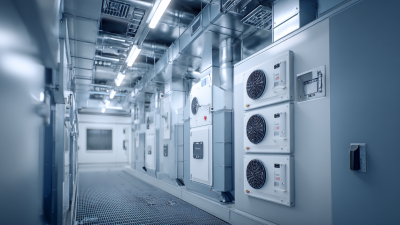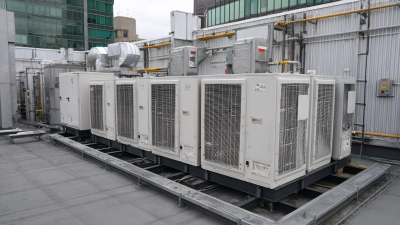
Understanding the parts of HVAC system is crucial for every homeowner. Without this knowledge, one might overlook essential maintenance. According to Mike Smith, an HVAC expert at Comfort Solutions, "Homeowners should know their HVAC parts to avoid costly repairs." Each component plays a unique role in ensuring comfort.
Take the condenser, for instance. It's responsible for releasing heat outside. If it fails, your home could become uncomfortably warm. Yet, many homeowners remain unaware of its importance. The same goes for the evaporator coil. It absorbs heat, and when it's dirty, efficiency drops significantly.
Ignoring these parts can lead to inefficiencies and higher bills. It's also common for homeowners to focus only on HVAC systems when problems arise. Preventive care is often neglected. Understand the parts of HVAC system to maintain efficiency. Regular upkeep can bring peace of mind and save money in the long run.
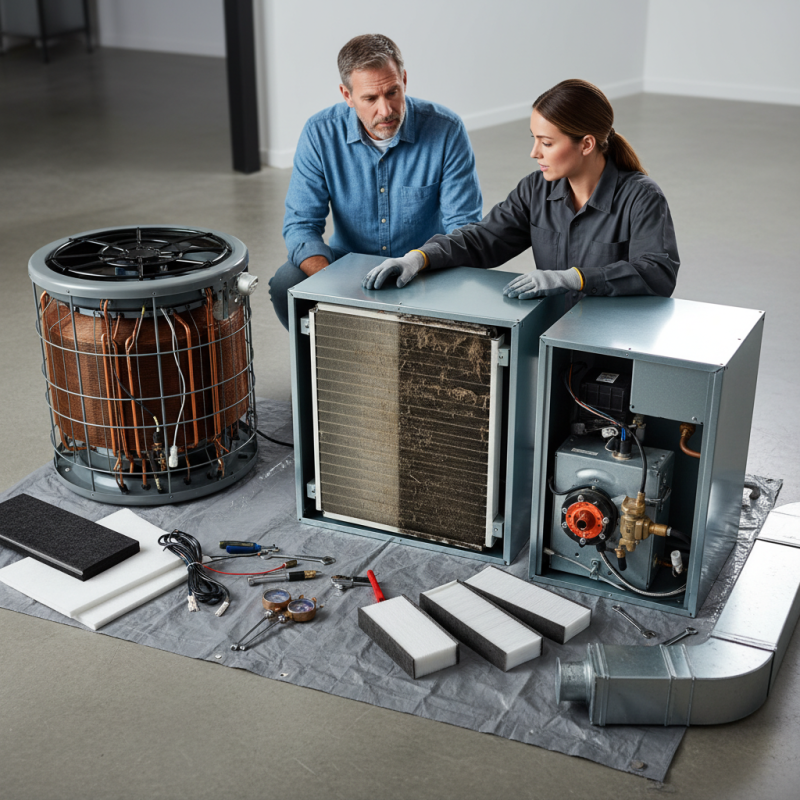
HVAC systems play a crucial role in maintaining home comfort. They regulate temperature, humidity, and air quality. A well-functioning HVAC system creates a cozy environment throughout the year. When it’s too hot or too cold outside, a reliable system keeps you comfortable indoors.
Understanding how HVAC components work can enhance your home's efficiency. Each part—like the furnace, air conditioner, and ductwork—contributes to overall performance. Homeowners need to recognize signs of wear and potential problems. Ignoring these signs can lead to bigger issues and higher energy bills.
Regular maintenance is essential. A simple check-up can prevent breakdowns. Homeowners often forget filters, which should be changed regularly. This small action can drastically improve air quality. Inadequate knowledge about the system's parts can mask underlying problems. Awareness is a key step towards a more comfortable home.
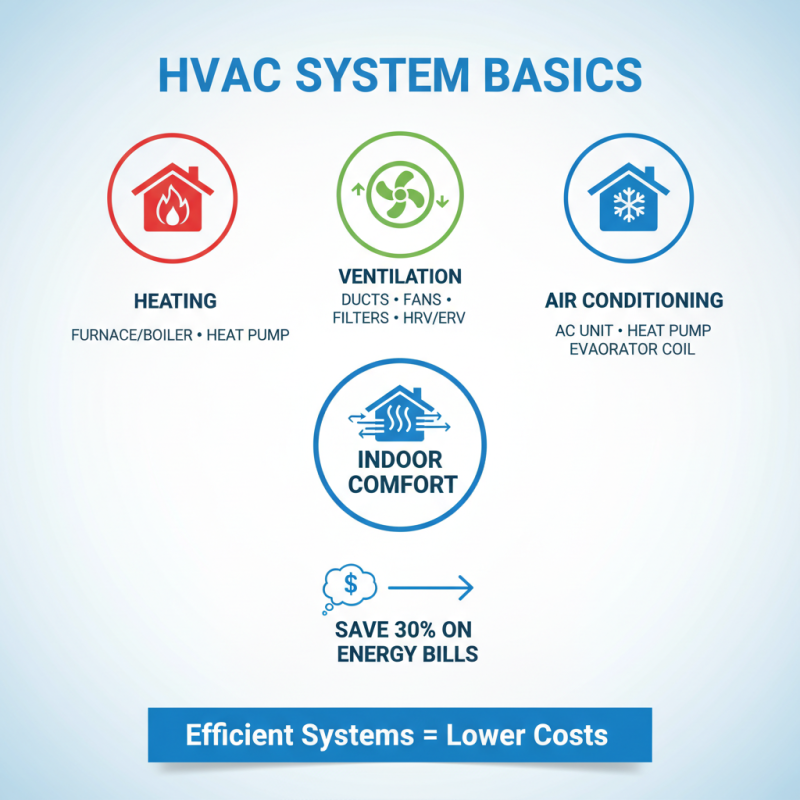
Understanding the basic components of an HVAC system is crucial for homeowners. An HVAC system typically consists of heating, ventilation, and air conditioning components. These parts work together to maintain indoor comfort. According to industry studies, inefficient systems can increase energy bills by 30%. Homeowners need to recognize each component's role.
The furnace heats the air that circulates through the home. Regular maintenance can prevent breakdowns and improve efficiency. The air conditioner cools the air, ensuring comfort during hot months. Filters play a vital role in this process. Dirty filters can reduce airflow and escalate energy consumption. Inadequate attention to filters can cost homeowners significantly in energy savings.
Ductwork distributes conditioned air throughout the home. Properly sealed ducts ensure maximum efficiency. In fact, poorly sealed ductwork can waste up to 20% of energy. This creates an uncomfortable environment. Proper insulation around ducts is often overlooked yet essential. Homeowners must evaluate the insulation to prevent energy loss. Addressing these issues can lead to improved efficiency.
HVAC systems play a crucial role in home energy efficiency. A well-maintained HVAC unit can reduce energy consumption by about 30%. When filters are clean and ducts are sealed, air flows more freely. This leads to less energy being used to heat or cool your home. The U.S. Department of Energy notes that regular maintenance can lower energy bills significantly. Homeowners should take this seriously.
Tips: Check and replace air filters every three months. Dirty filters restrict airflow and force systems to work harder. This wastes energy and increases costs.
Another important aspect is the insulation around ducts. Poor insulation can cause significant energy loss. According to the EnergyStar program, up to 20% of air can escape through uninsulated ducts. Ensuring ducts are well-sealed makes a difference. Homeowners often overlook this, but it's essential.
Tips: Inspect ducts regularly for leaks. You can use a simple smoke pencil to find drafty spots. Proper sealing can enhance your HVAC system’s performance. This keeps your home comfortable and lowers energy expenditures. Maintenance is not just about fixing; it’s about efficiency.
This bar chart illustrates the correlation between the frequency of HVAC system maintenance and energy efficiency measured in SEER (Seasonal Energy Efficiency Ratio) ratings. Regular maintenance is essential for maximizing energy efficiency in HVAC systems, as shown by the higher SEER ratings among systems with more frequent maintenance.
As a homeowner, recognizing when your HVAC system needs attention is crucial. Listen for odd noises. Rattling or buzzing sounds can indicate loose components. Watch for inconsistent temperatures throughout your house. If some rooms are hot while others are cold, your system might be struggling.
Pay attention to the airflow. If it feels weak, a clogged filter could be to blame. Check your energy bills too. Rising costs without any explanation often signal inefficiency in your HVAC system. These signs should not be ignored. They can lead to costly repairs down the line.
Be proactive. Conduct regular checks on your HVAC system. Look for leaks or strange odors, which can signify refrigerant issues. A lack of maintenance can lead to big problems. It's not just about comfort; it's about safety and long-term savings. Remember, an ounce of prevention is worth a pound of cure in home maintenance.
| HVAC Component | Function | Signs of Malfunction | Recommended Action |
|---|---|---|---|
| Compressor | Compresses refrigerant and circulates it through the system. | Unusual noises, warm air from vents, or short cycling. | Schedule a professional inspection. |
| Evaporator Coil | Absorbs heat from the air in the home. | Frost buildup, reduced cooling, or ice formation. | Clean the coils and check for refrigerant leaks. |
| Thermostat | Regulates the temperature of the heating and cooling systems. | Inaccurate temperature readings or unresponsive controls. | Calibrate or replace the thermostat. |
| Ductwork | Distributes air throughout the home. | Dust accumulation, uneven heating/cooling, or whistling noises. | Inspect for leaks and clean ducts regularly. |
| Air Filter | Traps dust and debris to maintain air quality. | Reduced airflow or frequent HVAC cycling. | Replace filters every 1-3 months. |
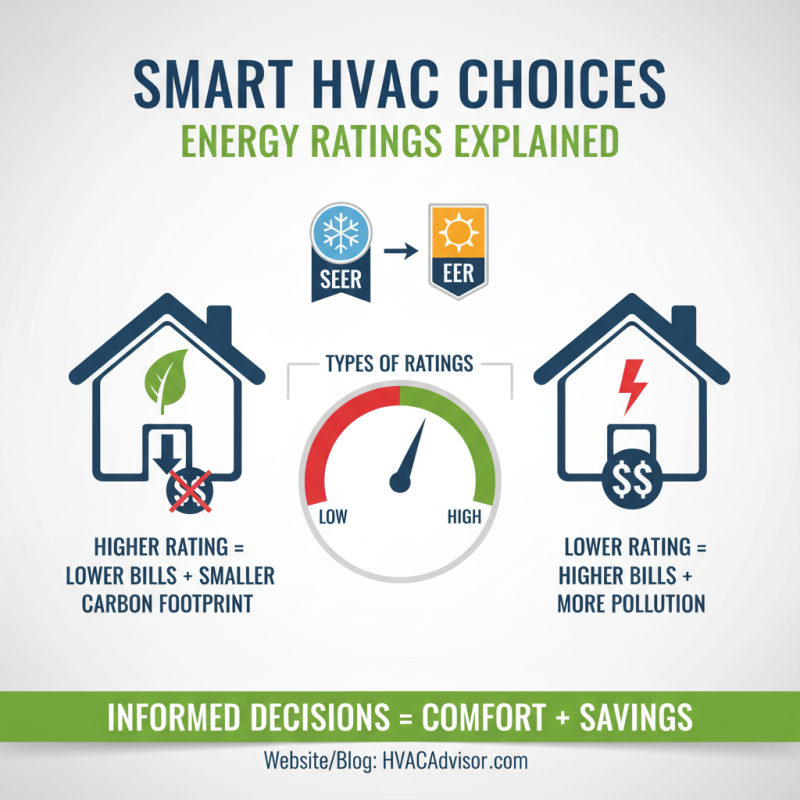
Energy ratings play a crucial role in HVAC choices. Understanding them helps homeowners make informed decisions. Each unit has a specific energy rating, often displayed as SEER or EER. Higher ratings indicate better efficiency. This means lower energy bills and a smaller carbon footprint.
When choosing an HVAC system, consider its energy efficiency. Many homeowners overlook this aspect. They might focus solely on initial costs. This can lead to higher long-term expenses. An efficient unit could reduce energy consumption significantly. It's worth taking the time to compare energy ratings thoroughly.
Not all ratings are created equal. Some systems may boast high numbers but lack reliability. Homeowners should research the actual performance reports. Reading reviews and seeking expert opinions can provide deeper insight. Making the right choice requires careful thought and reflection. Often, a little extra effort can lead to substantial savings.