
Skip to content

Top 10 Water Filter System Options for Global Buyers?

In an increasingly polluted world, choosing the best Water Filter System is more crucial than ever. Industry expert Dr. Laura Grant, a leading authority in water purification technology, emphasizes, "Clean water is not just a luxury; it’s a fundamental right." With various options available, finding the right system can feel overwhelming.

The market offers many Water Filter System choices that cater to diverse needs. For households, filtration systems that remove harmful contaminants like lead and chlorine are essential. For those in rural areas, portable filters provide a reliable solution to access safe drinking water. Each option varies in cost, efficiency, and installation complexity.

The search for the ideal Water Filter System can be daunting. Consumers often struggle with claims made by manufacturers. It’s vital to research and understand what each system offers. Not all systems meet efficacy standards. Therefore, informed decisions are key to ensuring access to clean, safe water.
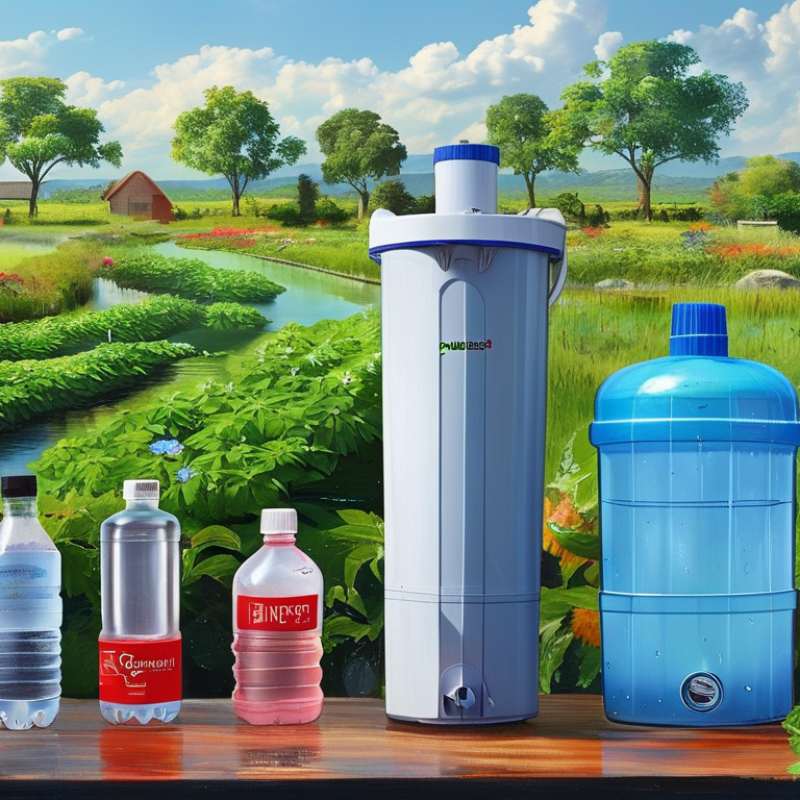
Top 10 Water Filter System Options for Global Buyers?

Overview of Water Filter System Importance for Global Buyers

Water filter systems are essential for ensuring clean and safe drinking water. Globally, many communities face issues with water quality. Contaminants such as bacteria, heavy metals, and chemicals pose health risks. Choosing the right system can greatly impact health and well-being.

Different regions have varied water challenges. For some, the concern is primarily about sediments. Others might struggle with microbial infections or chemical pollutants. It’s vital to identify specific needs before selecting a filter. Mistakes can lead to health hazards and wasted resources. Researching local water quality reports can guide buyers in choosing effectively.

Understanding the technology behind filtration methods is crucial. Some systems utilize activated carbon, while others employ reverse osmosis. Each technology has strengths and weaknesses. Not all systems target the same contaminants. Buyers should weigh these factors seriously. This consideration ensures optimal performance and protection for every household.

Top 10 Water Filter System Options for Global Buyers

Rank Filter Type Contaminants Removed Capacity (Liters) Average Price (USD)
1 Reverse Osmosis Lead, Chlorine, Fluoride 250 $150
2 Activated Carbon Chlorine, Sediment, VOCs 300 $80
3 Ultraviolet (UV) Bacteria, Viruses 800 $200
4 Ceramic Filter Bacteria, Sediment 1200 $60
5 Ion Exchange Hardness, Calcium 1000 $120
6 Whole House System Chlorine, Heavy Metals 5000 $300
7 Countertop Filter Sediment, Chlorine 200 $90
8 Pitcher Filter Chlorine, Lead 1.5 $25
9 Under Sink Chlorine, Heavy Metals 800 $150
10 Portable Filter Sediment, Microbial 100 $50

Types of Water Filter Systems Available in the Market

When selecting a water filter system, it’s vital to understand the available options. Each type serves unique needs and situations. One popular choice is activated carbon filters. They effectively remove contaminants, improving taste and odor. These filters are cost-effective and easy to install. Yet, they require routine replacement to maintain effectiveness.


Reverse osmosis systems are another viable option. They use a semi-permeable membrane to eliminate impurities. This method is excellent for areas with hard water. However, the initial setup can be complex. Users may overlook the waste of water involved in the filtering process.


Ultraviolet (UV) purifiers offer a different approach. They use light to kill bacteria and viruses. This technology doesn’t affect water taste but needs electricity. Maintenance can be a concern, especially in remote areas. Each system has its pros and cons. Evaluating personal needs and local water quality is essential before making a choice.

Factors to Consider When Choosing a Water Filter System

Choosing the right water filter system involves considerations that influence your health and well-being. First, assess the contaminants present in your water supply. Different systems target specific impurities. A comprehensive water analysis can reveal what you need to filter. This knowledge guides your selection process and ensures you choose effectively.

Next, consider the filter’s capacity and lifespan. Some filters require frequent changes, while others have a longer lifespan. This aspect affects ongoing costs and maintenance ease. Depending on usage, you might need a system designed to accommodate higher volumes. More extensive filtration options may be necessary for larger households. Reflect on your specific needs.

Lastly, consider installation and usability. Some systems are complex and may require professional help. Others are designed for easy DIY installation. Even the best filtration systems are ineffective if they are too complicated to use. Understanding these factors can help you make an informed choice, ensuring your water is clean and safe.

Top 10 Recommended Water Filter Systems for Diverse Needs

Access to clean water is critical for health. Various water filter systems cater to different needs, and selecting the right one can be daunting. A survey from the Water Quality Association highlights that about 45% of households in the U.S. use water treatment systems. These households often report improved taste and safety.

When looking for a water filter system, consider the contaminants in your water source. Reports show that lead, chlorine, and sediment are common issues. Advanced systems often employ multiple filtration methods, such as sediment filters, activated carbon, and reverse osmosis. These technologies have been shown to remove up to 99% of pollutants, making drinking water safer.

Ease of installation and maintenance is also important. Many systems require minimal effort, yet some may need professional installation. An industry study indicates that 60% of buyers prefer user-friendly products. Despite this, there are still systems that may frustrate users with complex setups or high maintenance costs. It requires careful assessment to find a balance between effectiveness and practicality in choosing a water filter system.

Comparative Analysis of Performance and Cost Among Top Systems

When selecting a water filter system, performance and cost are critical factors. A recent industry report indicates that over 50% of global consumers prioritize filtration efficiency. Among various systems, reverse osmosis (RO) units often yield the highest performance. They can remove up to 99% of total dissolved solids (TDS) from water, making them a popular choice. However, these systems typically come at a higher upfront cost.

In contrast, activated carbon filters rank lower in filtration efficiency but are relatively inexpensive. They function well for removing chlorine and contaminants that affect taste and odor. Yet, only about 30% of contaminants are filtered out effectively, raising concerns about water quality. Performance data shows that while activated carbon systems are cost-effective, they may require frequent replacement to maintain efficacy. This ongoing cost can accumulate, potentially offsetting initial savings.

Maintenance can also impact system performance. Some advanced systems provide alerts for filter changes, ensuring optimal function. Yet, many basic systems lack this feature, leaving users uncertain about replacement needs. Such oversights can compromise water quality over time. Evaluating both performance metrics and maintenance requirements is essential for making an informed decision.