
Skip to content

Top 10 Transformer Substation Solutions for Global Buyers?

In the rapidly evolving energy sector, understanding Transformer Substation solutions is crucial for global buyers. These substations play a key role in managing electrical power and ensuring system reliability. With various technologies available, selecting the right Transformer Substation can be overwhelming.

Efficiency, security, and cost-effectiveness are essential factors to consider. Each solution offers unique benefits and challenges. For instance, some designs prioritize space-saving features while others enhance operational safety. It’s vital to evaluate these aspects carefully. Industry leaders have developed solutions tailored for different environments, but not all may suit your specific needs.

As global demand for energy continues to rise, staying informed about innovative Transformer Substation technologies is critical. Buyers should navigate through choices with caution. The right decision can lead to significant improvements in performance and reliability. Yet, some may overlook important details, leading to potential inefficiencies. Understanding these complexities can empower buyers to make well-informed decisions.
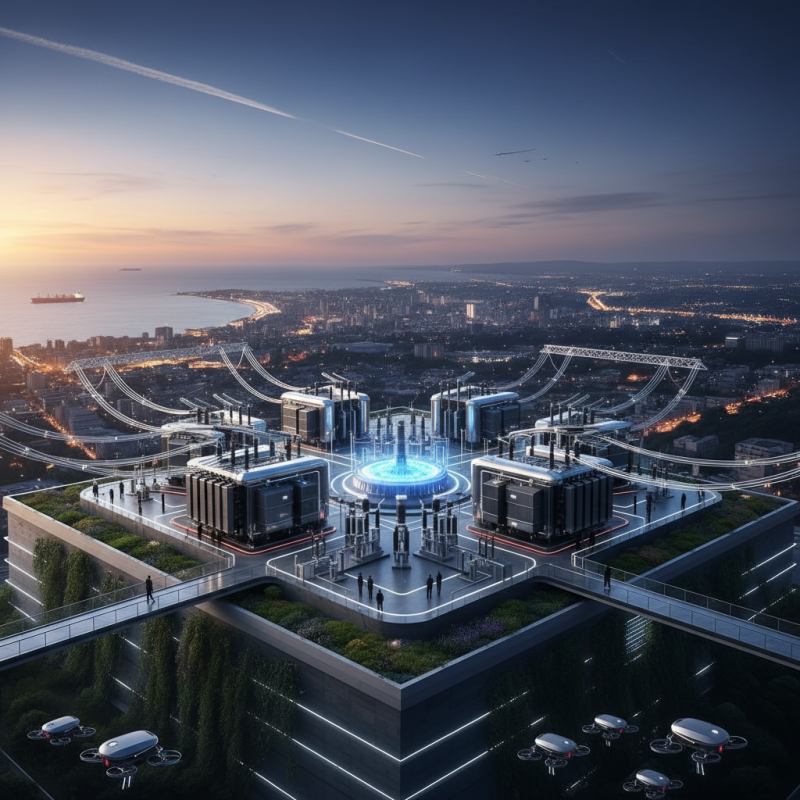
Top 10 Transformer Substation Solutions for Global Buyers?

Overview of Transformer Substation Solutions in Global Markets

Transformer substations play a crucial role in energy distribution worldwide. They are responsible for stepping down high voltages for safe distribution. Different global markets present diverse needs. Each region requires tailored solutions that meet their specific energy demands. Factors like climate, population density, and infrastructure influence design.

Innovative technologies enhance these substations. Smart grid solutions improve efficiency, allowing for better monitoring and control. Modular designs offer flexibility, enabling quick deployment. However, some locations still rely on outdated technology. This presents challenges in reliability and maintenance.

Cost remains a significant factor. Budget constraints can limit the adoption of advanced systems. Buyers must weigh short-term costs against long-term benefits. Partnership with experienced suppliers can provide valuable insights. Proper planning and execution are essential. Each solution should align with local regulations and environmental standards to ensure sustainability.

Key Features and Technologies of Modern Transformer Substations

Modern transformer substations are essential for efficient power distribution. These facilities integrate various key features and technologies. One vital component is the use of advanced monitoring systems. These systems provide real-time data, enhancing reliability and performance.

Another important aspect is compact design. Space-efficient substations can fit into urban environments. They use innovative construction materials, ensuring durability and reducing maintenance needs. Additionally, modular designs allow for easy expansion. This flexibility meets growing energy demands while minimizing disruption.

Safety features also play a crucial role. Enhanced cooling systems prevent overheating, while smart grid technologies improve fault detection. However, there can be challenges. The integration of these technologies often requires skilled personnel. Lack of training can lead to inefficiencies. Continuous development in this area is necessary for overcoming existing shortcomings.

Top Manufacturers and Their Leading Transformer Substation Products

Transformer substations are critical components in electrical power systems, facilitating the transformation and distribution of electricity. Leading manufacturers have been innovating various solutions to meet global demand. According to recent market reports, the global transformer market is expected to reach $43 billion by 2026, driven by infrastructure development and renewable energy integration.

Several manufacturers excel in producing transformer substations that feature advanced technology. High-efficiency transformers with reduced losses are gaining popularity. For example, dry-type transformers are being adopted more frequently due to their compact design and safety features. The increasing focus on environmental sustainability pushes manufacturers to design eco-friendly solutions.

Despite advancements, challenges persist. Some designs may lack robustness in extreme conditions. Additionally, the global supply chain for materials can cause delays and inflate costs. Maintaining quality while meeting ISO standards remains a key issue for many manufacturers. Industry leaders must address these shortcomings to enhance reliability and customer satisfaction in their transformer substation projects.

Considerations for Selecting Transformer Substation Solutions

When selecting transformer substation solutions, several key factors deserve attention. The location is crucial. Urban environments may require compact designs. Conversely, rural sites could accommodate larger substations. Consider local climate conditions. Extreme temperatures can impact equipment performance. Salt air in coastal areas may lead to corrosion, affecting long-term reliability.

Budget constraints often play a significant role. A higher upfront cost might seem daunting but consider the long-term benefits. Energy efficiency can lead to savings over time. Maintenance costs must also be evaluated. Some solutions require more frequent upkeep, which can affect overall expenses.

Another aspect to weigh is technology trends. Smart grid integration is becoming indispensable. This technology enhances monitoring and control, providing real-time data. However, integrating this technology can pose challenges. Not all traditional substations can seamlessly adopt new advancements. Finding a balance between innovation and practicality is essential.

Future Trends in Transformer Substation Technology and Solutions

The transformer substation industry is evolving rapidly. Emerging trends hint at a shift towards automation and digitalization. Smart grids are becoming vital. They allow real-time monitoring of transformer performance and energy efficiency. This technology reduces human error and increases reliability.

Moreover, sustainability is now a key focus. New solutions emphasize eco-friendly materials and designs. These innovations aim to minimize environmental impact. However, transitioning to greener alternatives can be challenging. Not all existing infrastructures can easily adapt to these changes.

Investment in research and development is crucial. As technology advances, we may see a surge in modular substations. These systems can be quickly deployed and scaled as needed. Yet, companies must consider the long-term costs and maintenance implications. The need for skilled technicians continues to grow, highlighting a potential skills gap in the workforce. Balancing innovation and practicality is essential for success in this field.