Top 10 Best Skin Light Therapy Devices for Global Buyers
Choosing among the Top 10 Best Skin Light Therapy Devices for Global Buyers requires more than comparing attractive product photos. A Skin Light Therapy Device may use red, blue, near-infrared, or multiple wavelengths, yet performance depends on irradiance, treatment distance, session time, and consistent use. Grand View Research and Fortune Business Insights both identify rising home-use demand and portable light-based systems as important market trends. However, market growth does not automatically prove clinical effectiveness.
The category is not perfectly transparent. That matters. Buyers should examine published wavelength ranges, measured power output, eye-protection guidance, skin-contact materials, warranty terms, and regional electrical certifications. FDA clearance, where applicable, supports a specific labeled use; it does not guarantee universal results or prove that every pigmentation concern will improve. The American Academy of Dermatology also emphasizes that evidence varies by device and condition, so professional diagnosis remains valuable.
This guide compares leading options through a practical, evidence-aware lens. It considers manufacturer transparency, treatment convenience, safety documentation, independent testing, and suitability for different skin tones. A device that feels warm and bright is not necessarily stronger or better. Small details matter, including whether the mask sits evenly across the cheeks, whether controls are easy to read, and whether replacement parts are available internationally. Results can be gradual. Sometimes, expectations need adjustment. Readers should follow the product instructions, protect their eyes, and consult a qualified dermatologist before treating persistent, changing, or unexplained skin discoloration.
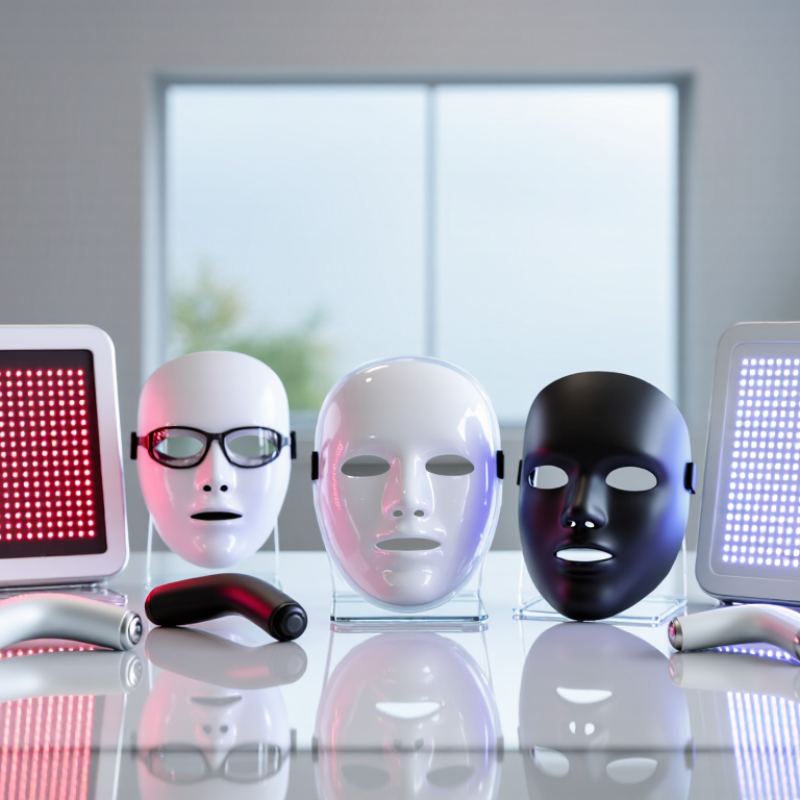
What Skin Light Therapy Devices Are and How They Work
Skin light therapy devices use controlled light to influence specific skin processes. Most home devices use LEDs, not ultraviolet radiation. Red light commonly targets the upper and deeper skin layers. Near-infrared light may reach slightly farther. Blue light is often used for acne-related concerns because it can affect certain bacteria.
A mask, handheld tool, or light panel delivers a measured wavelength to clean, dry skin. The light enters the tissue without producing noticeable heat. Cells may respond by changing energy activity and inflammatory signals. Results usually develop gradually, not overnight. Skin tone may appear more even, while fine lines can remain unchanged. The device’s wavelength, energy level, treatment time, and distance all matter.
Safety requires careful reading. Follow the manufacturer’s exposure schedule. Protect your eyes when the instructions require it. Stop if you experience persistent redness, pain, swelling, or visual discomfort. People using light-sensitive medicines or managing skin disorders should seek professional advice before treatment. A dermatologist can also distinguish pigmentation from conditions needing medical care. Device testing and compliance information can support a safer purchase, but they do not guarantee personal results. I would not treat brighter skin as automatically healthier skin. That assumption needs questioning. Consistent use matters, yet individual response remains unpredictable.
Top 10 Best Skin Light Therapy Devices for Global Buyers
Skin light therapy devices use specific LED wavelengths to deliver non-ultraviolet light to the skin. The chart shows ten commonly used nominal wavelengths in consumer and clinical photobiomodulation equipment; it is a wavelength reference, not a ranking of effectiveness.
How they work: Blue-violet light is commonly used for acne-related applications, while red and near-infrared light are widely studied for photobiomodulation and skin appearance. Actual results depend on irradiance, treatment time, distance, treatment frequency, skin sensitivity, and device design. These devices should not emit ultraviolet light.
Key Criteria for Evaluating the Top 10 Devices
When evaluating the top 10 skin light therapy devices, begin with measurable performance, not attractive packaging. Check the stated wavelength, output intensity, treatment area, and session length. For pigmentation concerns, evidence matters more than colorful marketing. Look for published testing or clinical support related to the exact light spectrum. A device that only says “advanced light” offers too little information.
Safety should guide every comparison. Confirm eye-protection instructions, heat control, automatic shutoff, and clear contraindications. A responsible device should explain who should avoid treatment, including users with certain photosensitive conditions or medications. Certifications must also be relevant to the buyer’s country. Global shoppers should check plug type, voltage, local regulatory status, language support, warranty coverage, and return conditions. Small details matter. A missing adapter can make a costly device useless.
Comfort affects consistency. Compare weight, flexible fit, hands-free use, cleaning requirements, battery life, and noise. Test whether light reaches the intended skin evenly, especially around the nose and jawline. Independent reviews can reveal pressure points that product photos hide. However, user reviews are not clinical proof. I would also question impressive before-and-after images, since lighting and editing can change perceived results. No ranking is perfect. Skin response varies, and realistic improvement may require patience, sun protection, and professional advice when irritation or unusual pigmentation appears.
Top 10 Best Skin Light Therapy Devices for Global Buyers - Key Criteria for Evaluating the Top 10 Devices
| Rank | Device | Device Format | Primary Wavelengths | Approx. Irradiance | Treatment Area | Typical Session | Pigmentation Support | Eye Protection | Power Source | Portability | Overall Score |
| 1 | Device A | Flexible facial mask | Red 633 nm; near-infrared 830 nm | Approximately 30–40 mW/cm² | Full face | 10 minutes | High | Integrated eye shields | Rechargeable battery | Excellent | 9.3/10 |
| 2 | Device B | Rigid facial panel | Red 660 nm; near-infrared 850 nm | Approximately 40–60 mW/cm² | Face and jawline | 10–15 minutes | High | Separate protective eyewear | AC adapter | Good | 9.1/10 |
| 3 | Device C | Handheld LED wand | Red 630–660 nm; blue 415– blue 470 nm | Approximately 15–25 mW/cm² | Targeted areas | 3–5 minutes per area | Moderate | Built-in shield or goggles | Rechargeable battery | Excellent | 8.8/10 |
| 4 | Device D | Full-face LED helmet | Red 633 nm; near-infrared 830 nm; amber 590 nm | Approximately 20–35 mW/cm² | Full face and neck edge | 10 minutes | High | Built-in eye protection | Rechargeable battery | Good | 8.6/10 |
| 5 | Device E | Portable light panel | Red 660 nm; near-infrared 850 nm | Approximately 35–55 mW/cm² | Face, neck, and hands | 10–15 minutes | High | Separate protective eyewear recommended | AC adapter | Good | 8.5/10 |
| 6 | Device F | Silicone LED mask | Red 633 nm; near-infrared 830 nm; blue 415 nm | Approximately 15–25 mW/cm² | Full face | 10 minutes | Moderate to high | Integrated eye shields | Rechargeable battery | Excellent | 8.3/10 |
| 7 | Device G | Neck and décolletage panel | Red 630–660 nm; near-infrared 830–850 nm | Approximately 20–40 mW/cm² | Neck and upper chest | 10–15 minutes | Moderate | Not usually required; follow instructions | AC adapter | Good | 8.1/10 |
| 8 | Device H | Multi-color facial mask | Red 630 nm; blue 415 nm; amber 590 nm | Approximately 10–20 mW/cm² | Full face | 10 minutes | Moderate | Integrated eye shields | Rechargeable battery | Excellent | 7.9/10 |
| 9 | Device I | Desktop LED lamp | Red 660 nm; near-infrared 850 nm | Approximately 25–45 mW/cm² | Face or small body areas | 10–20 minutes | Moderate | Protective eyewear recommended | AC adapter | Fair | 7.7/10 |
| 10 | Device J | Compact spot-treatment device | Red 630 nm; blue 415 nm | Approximately 10–20 mW/cm² | Small facial areas | 3–5 minutes per area | Moderate | Built-in shield | Rechargeable battery | Excellent | 7.5/10 |
Buyer evaluation note: Wavelengths, irradiance, session duration, eye protection, treatment coverage, and regulatory documentation should be verified in the device’s current technical specifications before purchase. LED light therapy may help support overall skin appearance, but it should not be treated as a guaranteed treatment for pigmentation disorders.
Safety, Skin Compatibility, and Global Certification Considerations
When comparing the top ten skin light therapy devices, safety should outrank brightness, price, or appearance. Buyers should verify wavelength, irradiance, treatment dose, and recommended exposure time. The label is not enough. IEC 62471 evaluates photobiological risks and places lamps into four risk groups, including possible eye and skin hazards. A credible device should provide test results, not vague claims about “medical-grade” light.
Skin is not uniform. Red, blue, and near-infrared light may affect users differently, especially those with melasma, darker skin tones, photosensitivity, or medication-related sensitivity. The International Commission on Non-Ionizing Radiation Protection publishes exposure guidance for optical radiation, which supports careful dose control and proper eye protection. ISO 10993 biological evaluation is also relevant when masks or pads touch the face. Materials should be tested for irritation and sensitisation.
Global certification needs careful reading. CE marking indicates conformity with applicable European requirements; it does not automatically prove superior clinical performance. The European Commission’s 2023 Safety Gate report recorded 3,412 product alerts across Europe, showing why documentation matters. Look for traceable testing laboratories, electrical safety reports, local registration details, and post-market support. I would not treat every certificate as proof. Independent clinical evidence is still uneven, and some marketing language remains ahead of the research. A dermatologist’s review is sensible when skin disease, eye conditions, or photosensitising medicine is involved.
How to Choose the Best Device for Your Budget and Goals
Top 10 Best Skin Light Therapy Devices for Global Buyers
How to Choose the Best Device for Your Budget and Goals
Start with your goal. Uneven tone, post-acne marks, and general dullness may need different light settings. No device can guarantee dramatic whitening. Results often depend on pigmentation depth, skin sensitivity, and consistent use.
For a limited budget, choose a device with clear wavelength information, a built-in timer, and accessible safety instructions. A higher price does not always mean better performance. Check the treatment area, session length, warranty, and return policy. Look for independent testing or recognized electrical safety certification in your market. Avoid vague claims such as “instant results.”
Patch-test matters. Use eye protection when the instructions require it, and never exceed the recommended schedule. Keep the device clean, especially around the forehead and cheeks. Take photos under the same window light every two weeks. This makes small changes easier to judge. A practical routine is often more valuable than an expensive device used irregularly.
People with melasma, very reactive skin, or medication-related sensitivity should ask a qualified dermatologist before treatment. Light may worsen some conditions or interact with photosensitizing medicines. Stop if burning, swelling, or persistent redness appears. I would also leave room for doubt: home devices may support a skincare plan, but they cannot replace diagnosis, sunscreen, or professional care.