Skip to content

Top HVAC Videos for Efficient Climate Control Solutions?

As the demand for efficient climate control solutions increases, understanding HVAC systems becomes crucial. Industry expert John Smith, a leading voice in HVAC technology, once said, “Effective climate control starts with informed choices.” This highlights the importance of knowledge when selecting HVAC solutions.

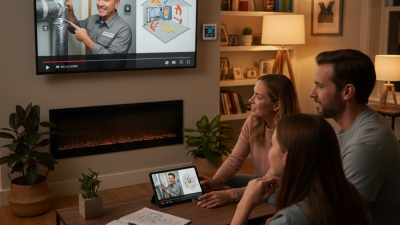
HVAC videos can be invaluable resources. They provide insights into installation processes, maintenance tips, and energy-saving techniques. Visual learning enhances understanding, particularly for complex systems. Through these videos, viewers can grasp troubleshooting methods and explore new innovations.

While HVAC videos are helpful, not all sources are equal. It’s essential to choose content from reputable creators. Misinformation can lead to costly mistakes or inefficient systems. Continuous learning and critical evaluation are key in this evolving industry. Seeking expert opinions and reliable sources will guide you toward optimal climate control solutions.

Top HVAC Videos for Efficient Climate Control Solutions?

Top HVAC Technologies for Enhanced Climate Control Efficiency

Efficient climate control begins with the right technology. High-efficiency HVAC systems are becoming the norm. Modern heat pumps can reduce energy costs significantly. They operate by transferring heat rather than generating it. This method is not only energy-efficient but also environmentally friendly.

Smart thermostats enhance HVAC functionality. These devices learn temperature preferences and adjust accordingly. They can optimize energy use in real-time, leading to cost savings. However, not everyone fully utilizes these features, missing potential benefits. Some homeowners still rely on manual adjustments, which can be inefficient.

Zoning systems allow for tailored climate control in different areas. This prevents overheating or under-cooling, creating comfort and saving energy. Yet, installing these systems can be complex. Assessing the layout and needs of a home requires expertise. Such planning can be costly but leads to long-term savings and comfort upgrades.
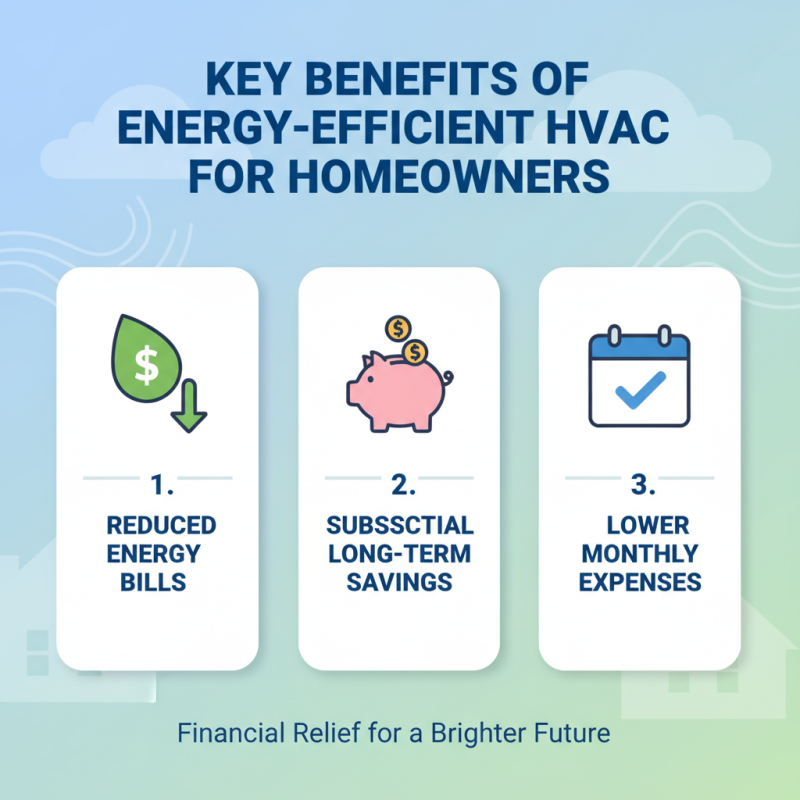
Key Benefits of Energy-Efficient HVAC Systems for Homeowners

Top HVAC Videos for Efficient Climate Control Solutions?

Energy-efficient HVAC systems offer many advantages for homeowners. These systems can significantly reduce energy bills. Over time, the savings become substantial. Homeowners notice a drop in monthly expenses. This financial relief is essential, especially in uncertain economic times.

Moreover, energy-efficient units often provide better climate control. They maintain a consistent indoor temperature. This leads to increased comfort year-round. Modern technology allows for precise adjustments. Homeowners can tailor their environment easily. However, installation may require a learning curve. Misunderstandings about system features can lead to underperformance.

An often-overlooked benefit is environmental impact. Using less energy reduces carbon footprints. Many homeowners are concerned about sustainability. Choosing efficient systems aligns with eco-friendly values. Yet, there's a chance some options may initially seem costly. Homeowners need to weigh long-term savings against upfront costs. Balancing these factors is critical for optimal decision-making.

How to Choose the Right HVAC System for Your Specific Needs

Choosing the right HVAC system is crucial for effective climate control in your home or office. It starts with understanding your specific needs. Consider the size of the space you want to cool or heat. Larger areas require more powerful systems. In contrast, smaller rooms can benefit from compact units.

Tips to consider:

  • Evaluate your insulation. A well-insulated space retains temperature better, which can reduce your HVAC needs.
  • Think about energy efficiency.
  • Look for systems with high SEER ratings; they offer better long-term savings.
Another aspect is the type of system. Air conditioning, heat pumps, or furnaces? Each serves different climates and uses. Lifestyle factors play a role, too. If you are home often, a dual-system might be ideal. However, large families may need more robust solutions.

Some systems may require regular maintenance. Neglecting this can lead to inefficiency. A trusted technician should perform routine inspections. This ensures your system remains reliable and effective over time. Always keep your specific needs in mind when making your choice.

Maintenance Tips for Optimizing HVAC System Performance and Longevity

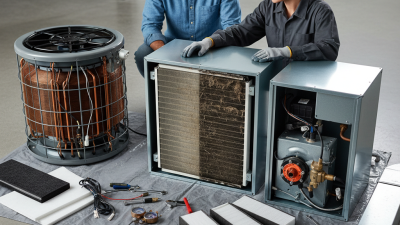
Maintaining an HVAC system is crucial for optimal performance. Routine inspections can uncover hidden issues. Dust and debris often accumulate in filters, affecting airflow. Replace filters every one to three months for better efficiency. A clean system runs more smoothly and extends its lifespan.

Regularly check refrigerant levels, too. Low refrigerant can diminish cooling power. It’s vital to note any unusual noises or smells during operation. These signs can indicate mechanical issues or leaks. Addressing these problems early can save on costly repairs later.

Don’t overlook the outdoor unit. Ensure it is free from obstructions like dirt or vegetation. Clear space around the unit allows for better airflow. This simple step can improve system efficiency significantly. Keeping a journal of maintenance tasks is helpful. It creates a reliable history of service and repairs.

Innovative HVAC Solutions: Smart Thermostats and Zoning Systems Explained

Smart thermostats are changing how we manage our indoor climates. These devices learn your preferences over time. They adjust temperatures automatically, saving energy when you’re away. Imagine coming home to a perfectly warm living room in winter. This is made possible through advanced algorithms.

Zoning systems offer another layer of control. They divide your home into specific areas. Each zone can have its own temperature settings. This means no more fighting over the thermostat. Families with different comfort needs find this especially helpful. However, installation can be complex, requiring professional input.

While these technologies promise comfort and efficiency, some drawbacks exist. Not every home can accommodate such systems easily. Cost can also be a barrier, especially for advanced models. It’s essential to assess your needs and budget realistically. A smart climate solution should align with your lifestyle, not complicate it.