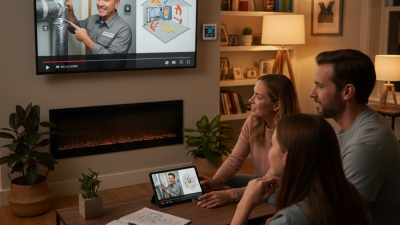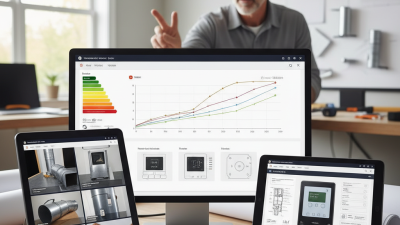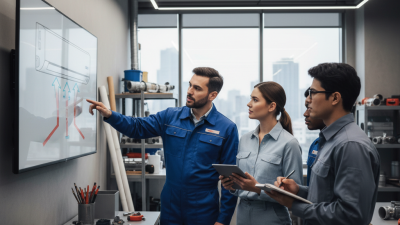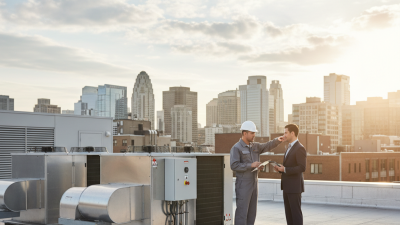
In the world of HVAC, mastering cooling techniques can be a game-changer. David Smith, a leading expert in HVAC systems, emphasizes, “Knowledge is key to effective cooling.” Watching insightful HVAC videos can bridge the gap between theory and practice. These videos offer visual guidance on installation, troubleshooting, and maintenance.
Understanding HVAC systems is complex. Many DIY enthusiasts struggle to grasp the intricate details. With the right HVAC videos, this learning process becomes simpler. For example, videos can demonstrate how to improve airflow and optimize refrigerant levels. They can also highlight common mistakes that lead to inefficiencies.
The landscape of HVAC education is rich with resources. However, not all videos provide valid information. It's essential to seek content created by reliable sources. Watching top HVAC videos can significantly enhance your skills. So, take the time to explore and reflect on what you learn.
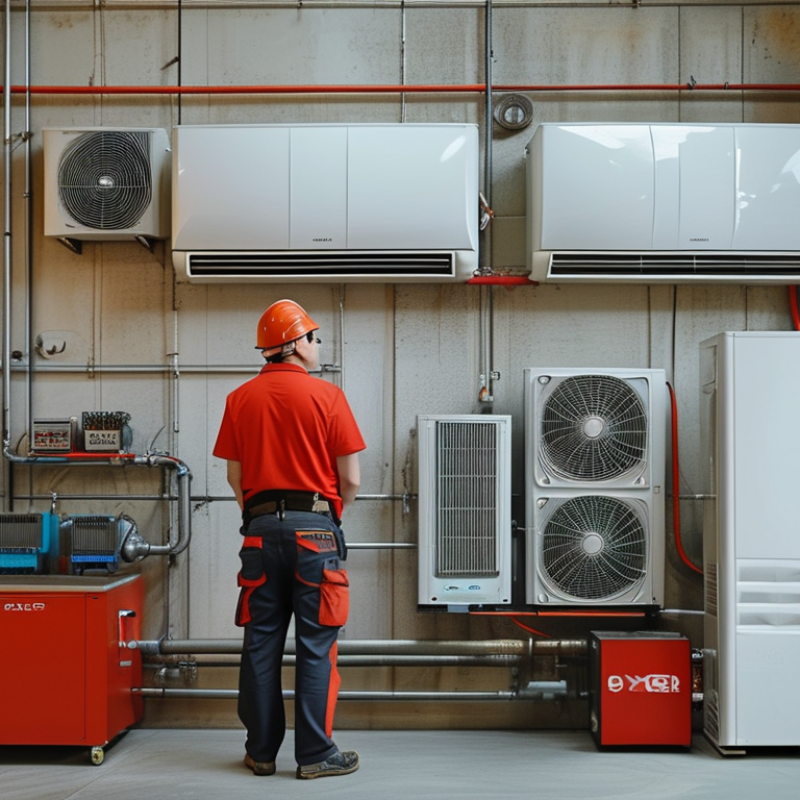
Understanding HVAC basics is crucial for anyone looking to improve their cooling systems. Air conditioning units rely on various components to function efficiently. Knowledge of these parts can lead to better maintenance and performance. The compressor plays a vital role in circulating refrigerant. Without it, the cooling process halts. Regular checks on compressor function can prevent system breakdowns.
Filters are equally important. They capture dust and allergens, ensuring better air quality. Dirty filters can restrict airflow, causing the system to work harder. This not only lowers efficiency but also increases energy bills. Cleaning or replacing filters monthly can drastically improve performance.
Another key aspect is understanding the refrigerant cycle. Refrigerant absorbs heat from inside and releases it outside. A leak in the refrigerant line can compromise this cycle. Regular inspections can help identify potential problems early. By learning these basics, homeowners can avoid costly repairs and ensure their cooling systems are reliable and efficient.
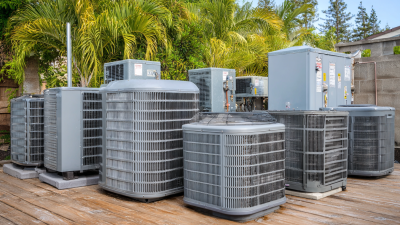
When exploring air conditioning units, understanding the different types is essential. Central air systems are designed for whole-home cooling. They use ducts to distribute cool air. This system is effective but can be costly to install.
Window units are a popular choice for smaller spaces. They are easy to install and can be moved as needed. However, they may not cool a large area effectively. Some designs can be quite noisy, which is a concern for many users.
Consider portable air conditioners for flexibility. These units can be moved from room to room, providing cooling where you need it most. They typically require a window for venting hot air but offer convenience.
Pay attention to energy efficiency ratings. Units with a high rating can save money on bills. Check for the SEER rating for central air systems. It measures efficiency and can guide your purchase.
Evaluate your home’s layout. Ductless mini-split systems are efficient for homes without existing ductwork. They offer customized cooling options. But installation can be more complicated.
Regular maintenance is crucial for any AC unit. Clean filters monthly to ensure proper airflow. It helps maintain efficiency and prolong the unit's life. Pay attention to unusual sounds or smells, as they can signal issues needing attention.
HVAC systems are essential for maintaining comfort in our homes. However, they can encounter various issues that may reduce efficiency. One common problem is inadequate cooling. This could stem from dirty air filters that restrict airflow. Regular cleaning or replacing filters can significantly improve cooling performance. Ensure you check the air filters every month, especially during peak usage.
Another frequent issue is refrigerant leaks. This can lead to poor cooling and increased energy bills. Observing for ice formations on the coils is crucial. If you notice ice, it can indicate a leak or improper refrigerant levels. In such cases, contacting a professional is essential for repairs. Many homeowners overlook the importance of routine maintenance, which can prevent these problems.
Lastly, strange noises from the HVAC unit often signal underlying issues. These sounds might include grinding, rattling, or buzzing. Identifying the source promptly and addressing it can prevent major breakdowns. While DIY solutions are tempting, involving an expert can save time and ensure safety. Many people learn through mistakes, so evaluating the condition of your HVAC consistently can enhance its longevity and functionality.
Optimizing HVAC performance is crucial for energy efficiency. Many homeowners overlook simple adjustments that can make a significant difference. Regular maintenance is essential. A professional inspection at least once a year can identify inefficiencies. Clean or replace filters every few months. Dirty filters restrict airflow and make your system work harder.
Another tip is to seal any leaks in ducts. Leaky ducts can waste energy, leading to higher bills. Use mastic sealant or metal tape to fix gaps. Consider adding insulation around ducts in unconditioned spaces. Insulation helps maintain temperature and reduces energy loss.
Moreover, make use of programmable thermostats. They allow you to adjust temperatures based on your schedule. This can significantly reduce energy consumption. Experiment with different temperatures to find what works best for your comfort and savings. Remember, optimizing an HVAC system requires ongoing effort and awareness. Each step you take can lead to better cooling and improved efficiency.
Innovative technologies in HVAC are transforming how we achieve superior cooling solutions. Advances in smart thermostats allow users to control their systems remotely. This feature helps in optimizing energy usage, ultimately lowering utility bills. Improved insulation materials are making systems more efficient. Proper insulation keeps the cold air in, ensuring that your space feels comfortable without overworking your HVAC unit.
For effective cooling, consider monitoring humidity levels. High humidity can make temperatures feel warmer than they are. A dehumidifier can tackle this issue, enhancing your comfort. Regular maintenance is also essential. Cleaning or replacing filters regularly ensures your unit runs efficiently. This small action can prolong the life of your HVAC system and improve air quality.
Explore energy-efficient models when it’s time for an upgrade. They might come with a higher initial cost but save money in the long run. While new technologies can seem daunting, they offer significant benefits. Embrace the learning curve and seek professional help if needed. Properly informing yourself can prevent mistakes and improve your cooling experience.