In the ever-evolving world of HVAC construction, global buyers face unique challenges. Selecting the right materials, technology, and contractors is critical. Each decision impacts efficiency and long-term costs. With many options available, navigating this field can be daunting.
Effective HVAC construction requires industry knowledge and experience. The right systems not only maintain comfort but also enhance energy efficiency. Buyers must understand local climate needs and building regulations. Missteps in these areas can lead to costly corrections.
Moreover, trends in HVAC technology are shifting rapidly. Keeping up-to-date can feel overwhelming. Buyers should constantly assess their choices and reflect on previous projects for improvement. Each HVAC construction project offers lessons that can shape future decisions. Embrace the complexities and seek out expert advice to ensure success.

Choosing the right HVAC contractor can make a significant difference in your project's success. According to a report by the U.S. Department of Energy, proper HVAC installation and maintenance can reduce energy costs by over 30%. This emphasizes the importance of selecting a skilled contractor.
When reviewing contractors, verify their certifications and experience. Compliance with local codes is crucial. Contractors should possess knowledge of energy-efficient systems. Ask for references and case studies from previous projects. This insight will reveal their reliability and competence. Additionally, consider their ability to stay updated with evolving technology.
Cost is often a deciding factor, but it shouldn't be the only one. A low bid may hide shortcomings. Check for warranties and post-installation support. Assess their communication skills and availability for future consultations. Remember, the cheapest option isn't always the best. Quality work ensures long-term satisfaction and efficiency.
| Tip Number | Tip Description | Importance Level | Estimated Cost Impact |
|---|---|---|---|
| 1 | Research and select a qualified contractor | High | $$$ |
| 2 | Check for necessary licenses and certifications | High | $$ |
| 3 | Ask for references and previous work examples | Medium | $ |
| 4 | Evaluate warranty and service agreements | High | $$ |
| 5 | Understand energy efficiency ratings | High | $$$ |
| 6 | Get multiple quotes before deciding | Medium | $ |
| 7 | Clarify project timeline and milestones | Medium | $ |
| 8 | Inspect the equipment brand and model | High | $$$ |
| 9 | Ensure proper installation practices are followed | High | $$$ |
| 10 | Review and finalize the contract details | High | $$ |
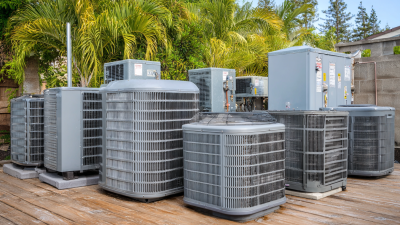
In the dynamic world of construction, understanding HVAC systems is vital. HVAC stands for heating, ventilation, and air conditioning. It plays a crucial role in maintaining indoor air quality and comfort. Different types of HVAC systems include split systems, packaged units, and ductless systems. According to industry reports, nearly 50% of energy consumption in commercial buildings is due to HVAC systems.
When selecting the right HVAC system, essential factors come into play. Buyers should consider building size and occupancy. For example, a ductless mini-split system is ideal for small buildings or retrofits. It offers efficiency and flexibility without extensive ductwork. On the other hand, large facilities benefit from central air systems. These systems can efficiently serve multiple rooms and spaces.
Tip: Evaluate energy efficiency ratings. Look for systems with high SEER (Seasonal Energy Efficiency Ratio) ratings. A high SEER can lead to significant savings on energy bills.
Remember to prioritize local climate conditions. In hot climates, systems need robust cooling capabilities. In colder regions, heating efficiency is essential.
Tip: Regular maintenance is key. A well-maintained HVAC system operates more efficiently, prolonging its lifespan. Neglecting maintenance can lead to costly repairs and decreased performance.
Choosing the right HVAC system requires careful consideration of multiple factors. Each project presents unique challenges and opportunities for improvement.
When undertaking HVAC installation projects, having the right materials and tools is vital. Start with essential components like ductwork, insulation, and piping. Quality ductwork ensures efficient air flow. Insulation helps maintain temperature control and enhances energy efficiency. Don’t overlook the importance of sealing materials; they prevent air leaks, maximizing system performance.
In addition to materials, the right tools are crucial. A reliable vacuum pump is necessary for refrigerant work. Leveling tools ensure proper installation of units. Thermometers and pressure gauges are key for testing system functionality. Safety gear, like gloves and goggles, is essential throughout the project. However, not all tools are created equal; some may not withstand prolonged use or may require frequent replacements.
It’s easy to overlook the learning curve involved in using new tools. Inexperience can lead to inefficiencies and costly mistakes. Keeping a detailed inventory of materials is also critical. Running out mid-project can stall progress and strain budgets. Ultimately, investing time into preparation pays off in smoother installations.
Energy efficiency in HVAC systems is crucial for global buyers. According to the International Energy Agency, HVAC systems account for nearly 40% of global energy consumption in buildings. Improving energy efficiency can greatly reduce operational costs and environmental impact.
One effective practice is to select systems with variable speed drives. These systems adjust their operation based on real-time demand, leading to significant energy savings. Regular maintenance is also vital; dirty coils can reduce efficiency by up to 30%. A simple cleaning can dramatically enhance performance and longevity.
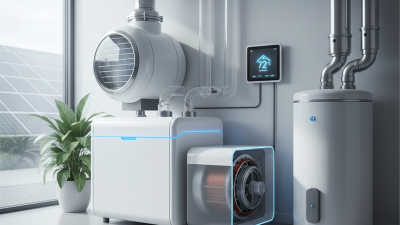
Investing in smart technology, such as IoT sensors, can optimize system performance. These devices monitor and analyze data, allowing for informed adjustments. However, be cautious; over-reliance on technology can sometimes lead to neglect of basic maintenance and system checks. Regular evaluation of system performance ensures that technology remains beneficial.
In HVAC construction, challenges are common yet manageable. A report from the American Society of Heating, Refrigerating and Air-Conditioning Engineers (ASHRAE) indicates that nearly 30% of HVAC installations face delays due to design errors. This often stems from miscommunication between engineers and contractors. Establishing clear channels of communication can mitigate risks and enhance project outcomes.
Environmental factors also play a significant role. According to a study by the U.S. Environmental Protection Agency (EPA), about 20% of HVAC systems do not meet energy efficiency standards. This often results from poor installation practices or inadequate training. Investing in training programs not only improves efficiency but also boosts workforce confidence.
Unexpected cost overruns are another prevalent issue. Data from the Project Management Institute shows that 70% of construction projects experience financial inefficiencies. Regular budget reviews and benchmarking can help manage these expenses. Recognizing these challenges allows HVAC professionals to develop strategies that lead to smoother projects and better performance.