Skip to content

Top 10 HVAC Air Solutions for Global Buyers Need?

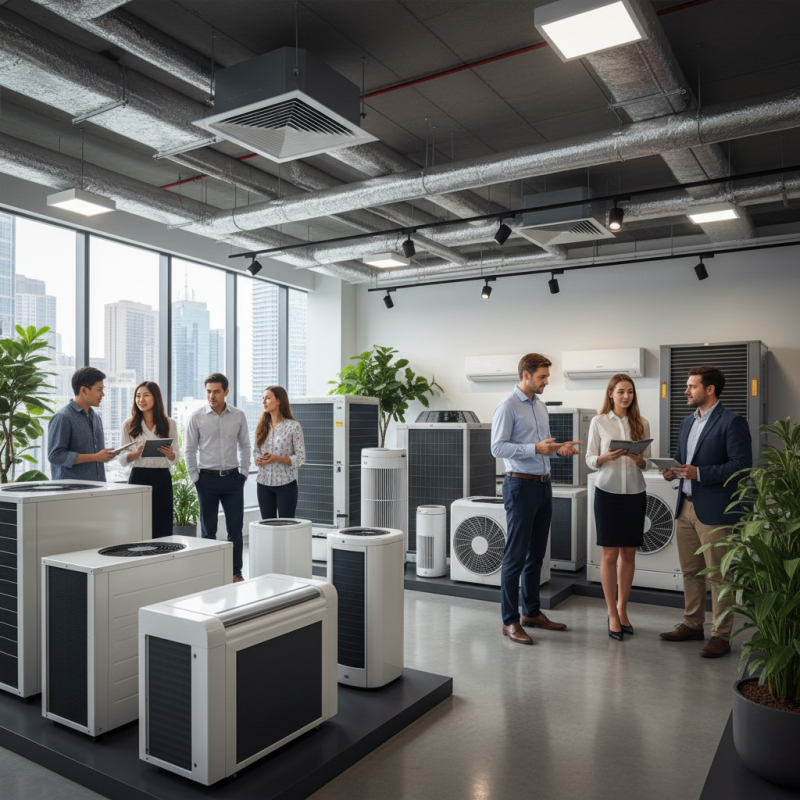
In today's world, efficient HVAC air solutions are essential for both comfort and health. The demand for effective air conditioning and ventilation systems is growing globally. Buyers seek reliable products that meet their unique needs. Understanding the market landscape is crucial for selecting the right systems.

Top HVAC air solutions come with various features and specifications. Each option has its strengths and weaknesses. It's important to evaluate these based on performance, energy efficiency, and durability. This assessment helps make informed decisions that can impact long-term satisfaction. Often, buyers may overlook critical factors like installation requirements and maintenance needs.

Navigating the HVAC air landscape can be overwhelming. With multiple brands and technologies, making the right choice is vital. Many solutions promise to enhance air quality, but not all deliver on their promises. It takes a discerning buyer to differentiate between effective options and mere marketing claims. Understanding these dynamics is key to acquiring quality HVAC air solutions.
Top 10 HVAC Air Solutions for Global Buyers Need?

Top 10 HVAC Air Solutions for Global Buyers: Overview of Trends

The global HVAC market is evolving rapidly, driven by changing consumer needs and environmental considerations. According to a recent report by Allied Market Research, the HVAC systems market is projected to reach $155 billion by 2028, growing at a CAGR of 6.8%. This shift highlights a greater demand for energy-efficient solutions that minimize environmental impact while maximizing comfort and air quality.

Adoption of smart HVAC systems is a key trend in the industry. These systems utilize advanced technology, enabling users to control settings remotely via smartphones or tablets. For instance, 32% of consumers reported increased satisfaction due to improved temperature regulation and air quality with smart systems. However, challenges persist. Many consumers find the initial costs daunting, which may hinder market growth.

Additionally, the demand for eco-friendly refrigerants is on the rise. According to the International Energy Agency, the market for alternatives to hydrofluorocarbons (HFCs) is anticipated to grow significantly. Despite these trends, there are ongoing concerns regarding the efficiency of these new solutions in various climates. The need for constant evaluation and adaptation is critical as the market continues to evolve.
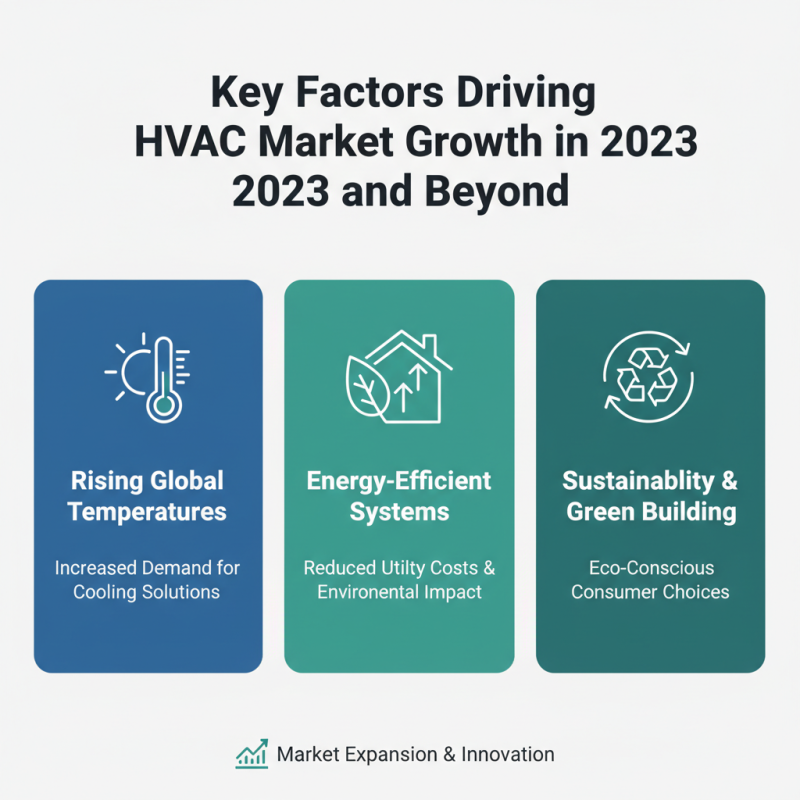
Key Factors Driving HVAC Market Growth in 2023 and Beyond

Top 10 HVAC Air Solutions for Global Buyers Need?

The HVAC market is experiencing significant growth due to several key factors. Rising global temperatures have increased the demand for effective cooling solutions. Customers seek energy-efficient HVAC systems that reduce utility costs. This trend reflects a growing awareness of environmental impact and sustainable practices.

Innovations in technology are also driving this sector. Smart thermostats and IoT-enabled systems enhance user control and efficiency. Buyers are more informed than ever, seeking systems that offer both comfort and advanced features. These technologies not only improve comfort but also contribute to long-term savings.

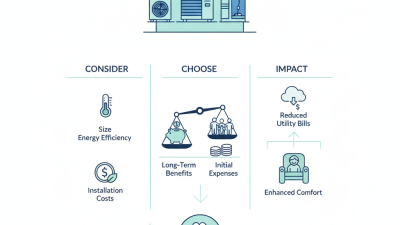
Tips for buyers: Research energy ratings before making a purchase. Understand the long-term implications of your HVAC choice. Seek out systems with user-friendly interfaces to enhance usability. An informed buyer is empowered to make the best decision. Always consider service support and warranty options when selecting a system.

Comparative Analysis of Energy Efficiency in HVAC Systems Worldwide

Top 10 HVAC Air Solutions for Global Buyers Need?

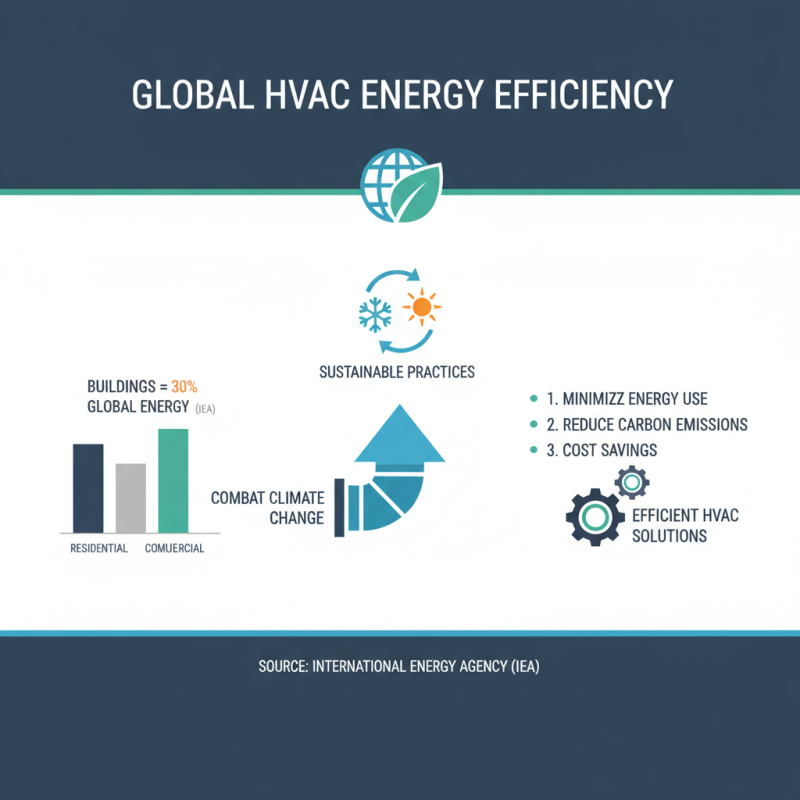
Energy efficiency in HVAC systems has gained paramount importance globally. Many countries are prioritizing sustainable practices to combat climate change. According to the International Energy Agency (IEA), buildings account for 30% of global energy consumption. This underscores the need for efficient HVAC solutions that minimize energy use.

The Global Alliance for Energy Productivity reports that energy-efficient HVAC systems can reduce energy costs by up to 40%. However, the disparity in energy regulations across countries complicates comparative analyses. For instance, Europe’s stringent energy standards contrast with lax regulations in other regions. This inconsistency can lead to challenges for international buyers seeking effective solutions.

While advanced technologies like variable refrigerant flow (VRF) systems show great promise, their effectiveness varies by region. A study by the U.S. Department of Energy highlights that in humid climates, traditional systems often underperform. This raises questions about the best strategies for adopting new HVAC technologies across different environments. For global buyers, understanding local energy efficiency standards is crucial for making informed decisions.

Innovations in Air Filtration Technologies for Healthier Indoor Environments

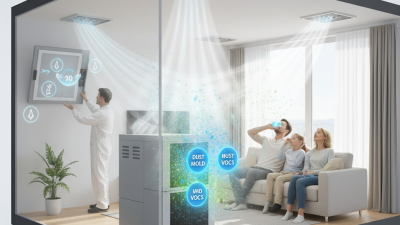
Indoor air quality is becoming increasingly important. Innovations in air filtration technologies play a crucial role. These advancements help create healthier environments in homes and offices. New filters can now capture smaller particles, including viruses and allergens. This is essential for reducing respiratory issues.

HEPA filters have been a standard for some time. However, newer models use advanced materials to enhance filtration. Some filters even incorporate antimicrobial properties. This prevents mold and bacteria growth, ensuring clean air. While these technologies are impressive, they are not universally adopted. Many buyers are unaware of their benefits.

Awareness and education are vital in this space. Not all filters are created equal, and the right choice makes a difference. Regular maintenance is also crucial to ensure effectiveness. Users must also consider the cost of these filters. Sustainable solutions may come at a premium. It is essential to weigh long-term health benefits against initial costs. Such reflections can lead to better purchasing decisions.

Top 10 HVAC Air Solutions for Global Buyers Need

Solution Name Technology Type Efficiency Rating Particle Removal Size (µm) Application Area
HEPA Filters Mechanical Filtration 99.97% 0.3 Residential
Activated Carbon Filters Chemical Absorption Varies N/A Commercial
UV-C Light Systems Ultraviolet Radiation 99.9% N/A Healthcare
Electrostatic Filters Static Electricity Up to 95% 0.1 Industrial
MERV-rated Filters Mechanical Filtration Up to 90% 1.0 Residential/Commercial
Photocatalytic Oxidation Catalytic Reaction 85% N/A Residential/Commercial
IAQ Monitoring Systems Smart Technology N/A N/A Residential/Commercial
Whole House Air Purifiers Multi-Stage Filtration 95% 0.3 Residential
Dehumidifiers with Filters Moisture Control N/A N/A Residential
Smart HVAC Systems AI Technology N/A N/A Residential/Commercial

Sustainable HVAC Solutions: Impact on Global Carbon Footprint Reduction

Sustainable HVAC solutions play a crucial role in mitigating climate change. As global temperatures rise, reducing carbon footprints becomes essential. Effective HVAC systems can significantly lower energy consumption. They rely on efficiency and smart technology to manage climate control in buildings.

Energy-efficient units consume less power, which reduces greenhouse gas emissions. These systems often utilize eco-friendly refrigerants. Some innovations include variable refrigerant flow and geothermal heat pumps. These systems are designed for maximum efficiency and minimal environmental impact. However, not all solutions are perfect. Implementation can be costly and complex.

Training is needed to ensure proper use and maintenance of these systems. Without skilled technicians, even the best systems can underperform. Stakeholders must commit to ongoing education for optimal results. Continuous improvement is necessary in the HVAC industry. As we strive for sustainability, challenges will arise. Embracing these complexities is part of the journey toward better solutions.