
The Digital Watch market is evolving rapidly. Innovators are constantly pushing boundaries, creating impressive features and designs. As we approach 2026, consumers must identify key elements that define top-notch digital watches.
Several factors come into play when choosing the best digital watch. Advanced technology, battery life, and user-friendly interfaces are essential. A watch should not only tell time but also enhance daily life. Durability and style matter, too. However, with so many options available, shoppers can feel overwhelmed.
Some watches excel in functionality but fall short in aesthetic appeal. Others may boast exquisite designs but lack reliability. It's essential to reflect on individual needs as well. Identifying a watch that balances these aspects can be a challenge but ultimately rewarding. Embrace the journey of discovering your perfect digital watch for 2026.
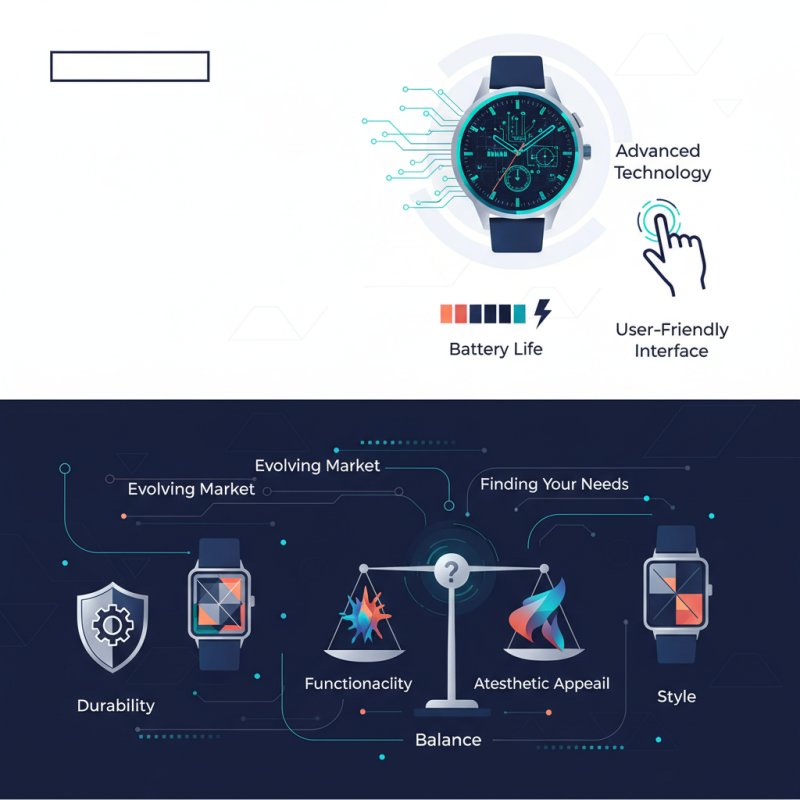
When choosing a digital watch in 2026, certain features stand out as essential. The market has seen significant advancements in smartwatch technology, which includes health monitoring and connectivity features. The International Data Corporation predicts a 15% increase in smartwatch sales by 2026, highlighting the importance of these features. Integrating health metrics, like heart rate and sleep tracking, has become standard, appealing to fitness enthusiasts and casual users alike.
Tips: Consider the interface. A user-friendly display can enhance your experience. Look for models that offer customizable watch faces or notifications for a personalized touch.
Another important feature is battery life. According to the Consumer Technology Association, the average battery life of digital watches is increasing due to improved power management. Models that use solar technology or energy-efficient components can last days or even weeks on a single charge. A watch that charges quickly and lasts longer can save inconvenience.
Think about durability. Many digital watches come with water and dust resistance ratings. These specifications ensure longevity in various environments. However, not all digital watches meet these criteria, so research is essential. It’s worth noting that even well-rated models can experience issues over time, leading to reflections on daily use and care.
Digital watches in 2026 are becoming smarter and more integrated than ever before. The rise of smart technology plays a crucial role in their evolution. According to a recent industry report, the global smartwatch market is expected to grow by 22% annually, indicating strong demand for advanced features. Users now seek watches that go beyond timekeeping; they want health monitoring, GPS, and connectivity features.
Smart technology enhances usability. Touch screens, voice assistants, and customizable apps are now standard. A study from a leading tech research firm indicates that 70% of users appreciate health tracking features. These functionalities empower users to monitor heart rates and physical activity in real-time. However, with so many features, some users feel overwhelmed. Simplicity in design and operation is essential, yet many devices struggle to achieve this balance.
Battery life remains a concern for many. Reports show that nearly 40% of users wish for longer-lasting batteries. Regular charging can hinder convenience. Innovations are needed to address this issue, as many users are reluctant to compromise on features for battery efficiency. Overall, the integration of smart technology into digital watches is transforming user experience, but improvements are necessary to meet evolving needs.
Digital watches are undergoing a major transformation in aesthetics. As we enter 2026, stylish designs are at the forefront. Futuristic looks combined with retro elements are set to dominate the market. Geometric shapes and vibrant colors are becoming popular. Minimalistic interfaces add sophistication.
When selecting a digital watch, consider its materials. Look for durable options that can withstand daily wear. Metal and high-quality plastics are excellent choices. Also, examine the display. A clear, bright screen enhances usability. The design must blend functionality with style.
Color choices matter, too. Bold hues can express personality, while muted tones offer elegance. Think about how the watch fits into your wardrobe. Whether for sports or formal occasions, find designs that adapt. Remember, a watch is not just a timepiece; it’s an accessory. Always aim for balance between trendiness and timelessness.
Tips: Research current trends in digital watch aesthetics before making a decision. Explore different styles and functionality. Don’t rush; take your time to find the perfect match. This is a purchase meant to last. Choose wisely!
As digital watches adapt to the demands of modern life, battery life remains a crucial factor. Today’s consumers expect watches to last longer without frequent recharging. Innovations have emerged to enhance this experience. Solar charging and kinetic energy options are gaining popularity. These methods recharge watches using light or movement, offering convenience and sustainability.
Battery technology is evolving rapidly. Smart batteries that can hold a charge longer are becoming standard. These batteries often feature quick charging capabilities. Some models now boast charging times that take only minutes. This advancement allows users to power their devices with less inconvenience.
Despite these improvements, challenges remain. Battery longevity can vary based on usage patterns. Some features drain battery life faster than others. Users might find themselves pressured to compromise on functionality for extended usage. It’s essential to evaluate which features are truly necessary. Balancing longevity with usability creates a better overall experience for consumers.
This chart illustrates the battery life of various digital watch models expected to release in 2026. Advancements in battery technology are enabling longer usage times, making it an essential feature for consumers.
As digital watches evolve, user experience remains a focal point. The 2026 trend indicates an increased emphasis on interface design and functionality. Reports from industry analysts suggest that over 70% of consumers prioritize usability. This trend is driven by the growing importance of seamless user interactions.
Simplicity in design leads to enhanced usability. Digital watches are becoming more intuitive. Features like touchscreens and voice commands are now standard. In fact, a recent study highlighted that 65% of users prefer voice-activated functions for hands-free navigation. However, some current designs can feel cluttered. Users often express confusion over complex menus and excessive features. This calls for a careful balance in future designs.
Functionality is another critical aspect. Wearers want more than just timekeeping; they expect health tracking and connectivity. Recent reports show that 75% of users look for fitness features in their smartwatches. Despite this, not all brands meet these expectations. Many devices lack precise tracking and user-friendly apps. This gap illustrates a significant area for improvement, urging designers to prioritize reliability and ease of use.