Top Digital AHU Units of 2025 Transforming Air Quality Management
In the rapidly evolving landscape of air quality management, the emergence of advanced digital AHU units has revolutionized how we approach indoor climate control. As we look ahead to 2025, the integration of cutting-edge technologies into air handling units (AHUs) is set to transform not only operational efficiency but also the overall quality of the air we breathe. These innovative systems, characterized by their ability to collect, analyze, and respond to environmental data in real-time, offer a glimpse into a future where air quality is proactively managed rather than passively monitored.
The digital transformation of AHU units brings forth a myriad of benefits, such as enhanced energy efficiency, improved air filtration, and more effective humidity control. By utilizing smart sensors and artificial intelligence, these units can adjust their operations based on current conditions, ensuring optimal performance while reducing energy consumption. This smart technology not only contributes to sustainability goals but also promotes healthier indoor environments, making it especially relevant in commercial spaces, schools, and healthcare facilities.
As we delve into the features and advantages of the top digital AHU units of 2025, we will explore practical tips for integrating these systems into everyday environments. Understanding the capabilities of these advanced AHUs will empower facility managers, building owners, and stakeholders to make informed decisions that prioritize both air quality and operational efficiency, ultimately leading to a healthier and more sustainable future.
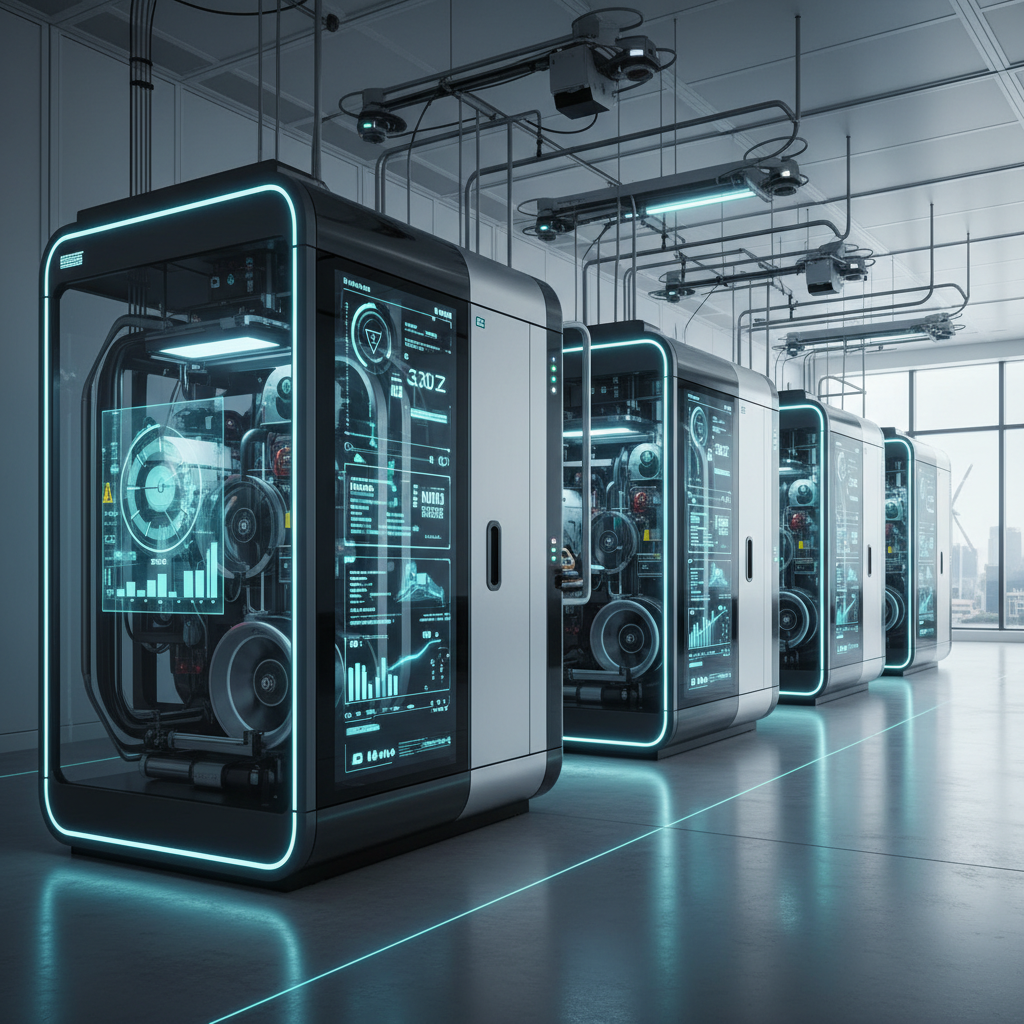
Innovative Features of 2025's Leading Digital AHU Units Enhancing Air Quality Control
As we look toward 2025, the rise of digital Air Handling Units (AHUs) marks a significant evolution in air quality management. Innovative features in these leading units enhance air quality control, offering real-time monitoring and advanced filtration systems. According to a report by Research and Markets, the global market for smart air handling units is projected to grow at a CAGR of 12% from 2023 to 2028, underscoring the increasing demand for efficient air quality management solutions.
One of the standout features of these digital AHUs is their integration with IoT technology, which allows for remote control and predictive maintenance. This technology not only minimizes downtime but also enhances energy efficiency by optimizing airflow and reducing energy waste. Additionally, advanced air filtration systems, such as HEPA and UV-C, effectively capture and eliminate harmful pollutants, significantly improving indoor air quality.
**Tips:** When selecting a digital AHU, consider units equipped with smart sensors that can adjust airflow based on real-time air quality readings. Furthermore, regular maintenance schedules can optimize performance and prolong the lifespan of your air handling system. Emphasizing energy-efficient models can lead to substantial cost savings, with potential reductions in energy costs by up to 30%, as reported by the American Council for an Energy-Efficient Economy.
Top Digital AHU Units of 2025 Enhancing Air Quality Control
This chart illustrates the performance metrics of leading digital AHU units of 2025 based on factors such as energy efficiency, filtration effectiveness, and automation capabilities. As air quality management technologies advance, these units are becoming essential for maintaining optimal indoor environments.
Impact of Smart Technology on Energy Efficiency in Digital AHU Systems
The integration of smart technology in Digital Air Handling Units (AHUs) is revolutionizing air quality management and energy efficiency. As highlighted in a recent industry report by the International Energy Agency, the HVAC sector accounts for nearly 30% of the total energy consumed in commercial buildings. The adoption of advanced digital AHU systems can significantly reduce this consumption, with energy efficiency improvements estimated to range from 20% to 50% when innovative cooling solutions are implemented. This foresight is being showcased through cutting-edge initiatives like the newly launched indirect evaporative cooling system that emphasizes extreme energy savings and automated operation.
Furthermore, as data centers expand rapidly, enhancing operational efficiency has become a crucial topic for the industry. A report by the Uptime Institute indicates that smart technology can improve the operational efficiency of data centers by as much as 35%. Innovations in cloud-based management and automated analytics are fostering a transformation in how facilities are monitored and maintained. With technology like AI and machine learning, proactive maintenance and real-time adjustments can mitigate energy waste while sustaining optimal air quality, delivering not just financial savings but also contributing to environmental sustainability goals.
Analyzing Regulatory Changes Driving the Adoption of Digital Air Handling Units
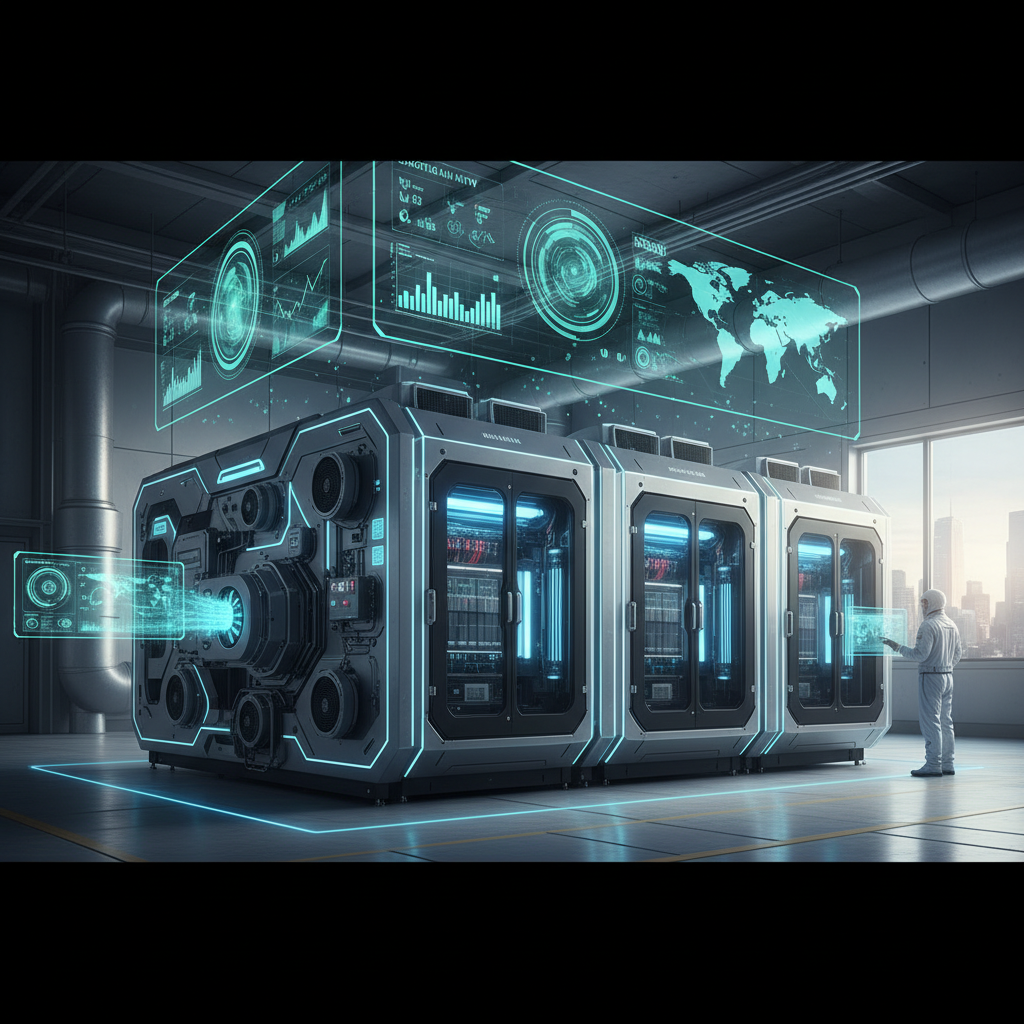 The landscape of air quality management is rapidly evolving with the rise of digital air handling units (AHUs), particularly in response to changing regulatory frameworks. These innovations are crucial as governments worldwide push for stricter air quality standards. Digital AHUs leverage advanced technologies like IoT and AI to monitor and control air quality in real time, ensuring compliance with emerging regulations while enhancing energy efficiency. This transformation is particularly significant in industries heavily reliant on effective air quality management, such as data centers and healthcare facilities.
Tips: Consider implementing predictive maintenance features in your digital AHU systems. This approach helps mitigate downtime and extends equipment life while optimizing operational efficiency. Additionally, integrating user-friendly interfaces for monitoring can empower facility managers, providing them with the insights needed to make informed decisions about air quality and energy consumption.
As environmental concerns grow, the HVAC aftermarket is seizing opportunities for growth through digital innovations. Energy-efficient retrofits not only align with regulatory changes but also cater to a market increasingly focused on sustainability. Investing in these upgrades can significantly enhance operational cost-effectiveness and contribute to a greener footprint over time.
Comparative Performance Metrics of the Top 10 Digital AHUs in 2025
The year 2025 marks a significant leap in air quality management with the introduction of advanced Digital Air Handling Units (AHUs). According to the latest report from the International Society of Indoor Air Quality, the top 10 digital AHUs demonstrate a significant increase in energy efficiency, averaging a 25% reduction in energy consumption compared to traditional models. These units leverage smart technology to optimize airflow and maintain consistent indoor air quality, offering real-time monitoring and data analytics that are crucial for today's dynamic environments.
Comparative performance metrics reveal that the leading digital AHUs are not only energy-efficient but also excel in filtering capabilities. A study published by the American Society of Heating, Refrigerating and Air-Conditioning Engineers highlighted that the best-performing AHUs in 2025 achieved particle filtration efficiencies of over 95%, substantially reducing particulate matter and airborne pathogens. This enhancement in filtration is complemented by integrated IoT systems that enable predictive maintenance, thus minimizing downtime and extending the operational lifespan of the units. As industries continue to prioritize health and sustainability, these digital AHUs are transforming the way we manage air quality in commercial and residential settings.
Top Digital AHU Units of 2025 Transforming Air Quality Management
| Model |
Airflow (CFM) |
Energy Efficiency (kW/CFM) |
Filter Type |
Smart Features |
Noise Level (dBA) |
Price ($) |
| Model A |
2000 |
0.75 |
HEPA |
Wi-Fi, Remote Monitoring |
50 |
2500 |
| Model B |
1800 |
0.70 |
MERV 13 |
Zoning, IoT Integration |
48 |
2300 |
| Model C |
2200 |
0.80 |
Activated Carbon |
Air Quality Sensors |
52 |
2700 |
| Model D |
2100 |
0.65 |
MERV 16 |
Energy Recovery Ventilation |
45 |
2400 |
| Model E |
2500 |
0.78 |
HEPA+UV |
Smart Thermostat |
54 |
3000 |
| Model F |
2000 |
0.72 |
MERV 14 |
Leak Detection |
49 |
2600 |
| Model G |
2300 |
0.76 |
HEPA |
Climate Monitoring |
51 |
2750 |
| Model H |
1900 |
0.74 |
MERV 15 |
Mobile App Control |
47 |
2200 |
| Model I |
2400 |
0.71 |
Activated Carbon |
Real-time Monitoring |
53 |
2900 |
| Model J |
2100 |
0.69 |
MERV 12 |
User-Friendly Interface |
46 |
2250 |
Future Trends in Air Quality Management: The Role of Digital AHUs in Sustainable Buildings
As the world continues to prioritize sustainability, the role of digital Air Handling Units (AHUs) in air quality management is becoming increasingly prominent. In 2025, these advanced systems are expected to integrate smart technologies that not only monitor air quality in real-time but also optimize ventilation based on occupancy and indoor pollutant levels. This adaptability allows buildings to significantly reduce energy consumption while maintaining a healthy environment for occupants.

Moreover, the rise of Internet of Things (IoT) devices will facilitate deeper insights into air quality patterns. Digital AHUs will communicate with other smart systems within buildings, providing comprehensive data analytics that inform maintenance decisions and regulatory compliance. By harnessing artificial intelligence and machine learning, future AHUs can predict and respond to air quality issues proactively, creating safer and more efficient spaces. This synergy between technology and environmental consciousness sets the stage for a new era in sustainable building management.