
Skip to content

What Are the Top China Light Beam Lamps for Wholesale?

Choosing the right Light Beam Lamps for wholesale requires more than comparing factory prices. Buyers must examine beam quality, housing materials, heat control, and supplier reliability. A lamp may look powerful in a showroom, yet perform poorly across a large venue. Real testing matters.

This guide explores leading China Light Beam Lamps for commercial buyers, event suppliers, retailers, and project contractors. It focuses on practical details, including beam angles, lumen output, color temperature, dimming options, LED lifespan, and protection ratings. For example, a narrow 10-degree beam can create a sharp stage effect, while a 25-degree beam may cover retail displays more evenly. Aluminum housings, quiet fans, stable drivers, and clear photometric data also deserve attention.

Wholesale decisions should include more than product appearance. Request working samples, factory inspection records, test reports, packaging details, warranty terms, and realistic production schedules. Confirm whether the supplier supports logo printing, spare parts, replacement drivers, and destination-market compliance. Minimum order quantities can vary widely, and low prices may reflect weaker components or limited after-sales support.

No shortlist is perfect. Some suppliers communicate well but offer inconsistent batch quality. Others provide strong products but slow documentation. That uncertainty deserves careful checking. Based on technical comparison and purchasing experience, the following selection highlights Light Beam Lamps with practical value, scalable supply potential, and clearer quality indicators. Buyers should still test samples before placing a large order. That small step can prevent expensive surprises.
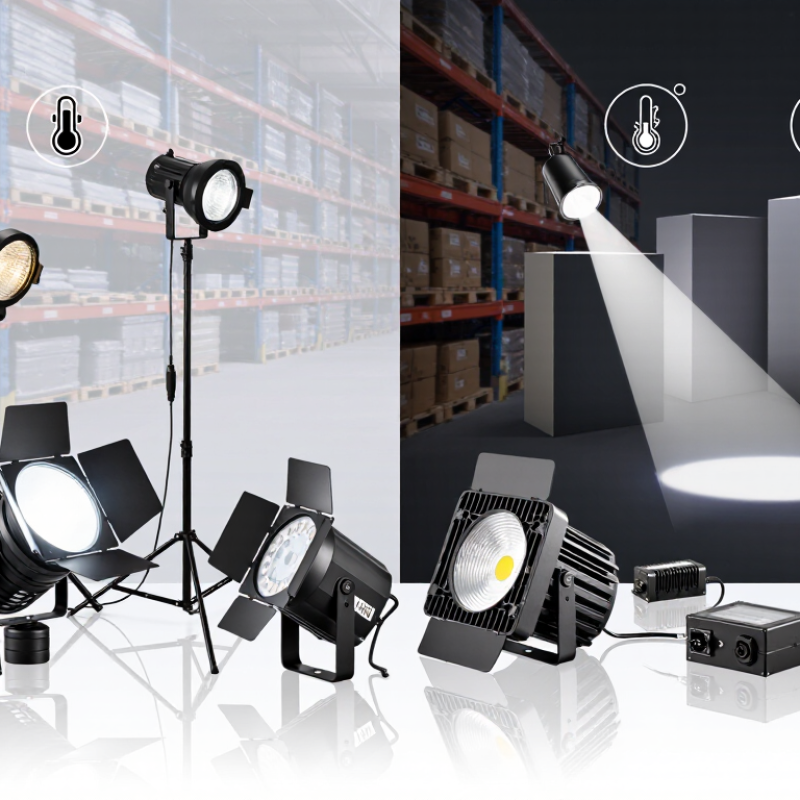
What Are the Top China Light Beam Lamps for Wholesale?

What Are China Light Beam Lamps and How Are They Used?

What Are the Top China Light Beam Lamps for Wholesale?

China light beam lamps are focused lighting fixtures that project a narrow, powerful beam. Many use LED sources, optical lenses, and adjustable mounting brackets. Their concentrated light creates sharp effects on stages, exhibition booths, retail displays, hotels, and architectural features. Some models support moving heads, color mixing, zoom control, or DMX operation. Others offer simple manual adjustment for smaller installations.

For wholesale buyers, the best choice depends on the intended environment. Check beam angle, brightness, color temperature, color rendering, heat management, and power consumption. Outdoor projects also require a suitable IP rating. Ask for test samples, photometric data, wiring diagrams, and safety documentation before placing a large order. A low price may hide weaker lenses or unstable drivers. I have found that real testing often reveals issues missing from a specification sheet. No product is perfect.

Tips: Compare samples under the same distance and camera settings. Check flicker with a phone camera and inspect the beam edge on a plain wall. Confirm packaging strength, spare parts, warranty terms, and production consistency. Discuss voltage requirements clearly. Small details matter. Suppliers should also provide clear manuals and traceable quality records, helping buyers make safer and more reliable wholesale decisions.

Which Types of Light Beam Lamps Are Available for Wholesale?

Wholesale buyers can choose several types of light beam lamps from China’s professional lighting market. Moving head beam lamps create narrow, sharp shafts for concerts, clubs, and stage entrances. LED beam lamps use efficient light sources and often offer lower heat output. Discharge beam lamps can produce intense, long-range effects, but they may require more maintenance and careful replacement planning.

Hybrid beam, spot, and wash lamps combine multiple effects in one housing. They suit rental companies that need flexible equipment for changing events. Outdoor beam lamps add weather-resistant housings, sealed connectors, and higher protection ratings. Some battery-powered models support temporary installations where cables are difficult to place. The best type depends on venue size, control systems, transport needs, and expected operating hours.

When checking wholesale samples, inspect beam sharpness, pan-and-tilt movement, fan noise, and color consistency. Ask for photometric data, DMX channel information, power details, and test videos from real units. A narrow beam angle may look impressive, but it can become difficult to position in a small venue. I have seen buyers focus on brightness and overlook heat management. That mistake can increase service costs. Request production samples before placing a large order, and compare several units after continuous operation. Minor color differences may appear. They deserve attention.

How to Compare Beam Quality, Power, and Performance

What Are the Top China Light Beam Lamps for Wholesale?

Wholesale buyers should compare beam quality before wattage. A 30-watt lamp with poor optics may waste light outside the target area. Check beam angle, center-beam candlepower, spill control, and consistency between samples. The IES LM-79 testing method measures luminous flux, efficacy, color quality, and electrical performance. Request an independent LM-79 report, not only a supplier’s product sheet.

Power needs context. Higher wattage does not always create stronger illumination. The U.S. Department of Energy has reported laboratory LED packages exceeding 200 lumens per watt, while complete commercial fixtures usually perform lower. Heat sinks, drivers, lenses, and housing design reduce real output. Compare lumens per watt at the fixture level. Also inspect power factor, total harmonic distortion, and operating temperature. Small details matter.

Performance testing should include a 4-hour heat soak and repeated on-off cycles. Ask for LM-80 data when long-term LED maintenance matters. TM-30 results can reveal color fidelity more clearly than CRI alone. A tight beam may look impressive on a showroom wall but create harsh hotspots in a warehouse. That is easy to miss. My practical concern is sample bias: one excellent unit proves little. Test several production samples, record lux at fixed distances, and compare the weakest result. Pricing still matters, but unstable beam quality can cost more through replacements and installation delays.

Which Features Define the Best China Light Beam Lamps?

For wholesale buyers, the best China light beam lamps are defined by controlled performance, not only low pricing. Beam angle matters. A 15° lens can create a sharp display accent, while a 36° lens produces softer coverage. Reliable suppliers should provide measured photometric files, not attractive catalog drawings. The IEA reports that lighting represents roughly 15% of global electricity use, so efficient optical design affects operating costs at scale. Look for high efficacy, stable color temperature, and CRI above 90 for retail, hospitality, and gallery projects.

Flicker control deserves equal attention. IEEE 1789 guidance and professional lighting tests warn that poor modulation can create visible discomfort, especially during camera recording. Ask for flicker measurements, including modulation percentage and frequency. Thermal design is another serious filter. Aluminum heat sinks, protected drivers, and tested lifetime data are more useful than vague “long life” claims. LM-79 testing can verify electrical and photometric performance, while LM-80 data helps evaluate LED lumen maintenance. Details matter.

I have seen buyers choose narrow beams without checking ceiling height. The result looked harsh. That mistake is easy to repeat. Samples should be tested at the real distance, with the intended surface and camera settings. Check IP ratings, dimming compatibility, color consistency, packaging strength, and batch inspection records. A low unit price may hide unstable drivers or uneven lenses. No specification sheet replaces a physical sample. Even experienced purchasers should leave room for revision.

How to Evaluate Suppliers, Pricing, Compliance, and Shipping

What Are the Top China Light Beam Lamps for Wholesale?

Choosing light beam lamps for wholesale requires more than comparing catalog photos. I recommend requesting samples with fixed beam angles, color temperatures, CRI data, and measured power consumption. Check the housing material, heat dissipation, driver quality, and installation method. A supplier should provide clear factory details, quality procedures, warranty terms, and recent test reports. Video calls help, but an independent inspection gives stronger evidence. Trust, but verify.

Pricing should include more than the unit cost. Compare tooling, packaging, minimum order quantity, payment terms, spare parts, and after-sales support. A very low quote may hide weaker components or unstable output. I have seen buyers focus on price and overlook carton dimensions. That mistake can increase freight costs sharply. Compliance also needs market-specific review, including electrical safety, electromagnetic compatibility, labeling, and photobiological safety. Requirements differ. Never assume one certificate covers every destination.

Tips: Ask for a pre-production sample and a written specification sheet. Confirm beam angle tolerance, lumen testing conditions, and color consistency. Before shipment, arrange random inspection and photograph sealed cartons. Discuss shipping terms carefully, including delivery responsibilities, insurance, customs documents, and realistic lead times. Add buffer days. Delays happen, even with experienced suppliers.