
Skip to content

China Top Duraband Nozzle Band Heater Supplier?

Choosing a China-based supplier for a Duraband Nozzle Band Heater takes more than comparing prices. The right unit should match the nozzle’s dimensions, operating temperature, voltage, and available installation space. A small mismatch can leave cold spots near the nozzle tip or create uneven heating around the barrel. That detail matters.

Experienced buyers usually ask for drawings, material specifications, wiring details, and inspection records before placing an order. They also check whether the supplier can explain insulation choices, lead placement, and temperature-control requirements in clear terms. Photos can help, but they do not replace dimensional checks or test documentation. Ask what is verified before shipment.

China has many heater manufacturers and trading companies, so “top supplier” depends on the application. A supplier serving standard injection-molding equipment may not be the best fit for a custom nozzle or a high-cycle production line. Request a sample or a written specification review when the design is unusual. It may feel like an extra step, but it can expose gaps early.

This guide looks at practical ways to assess suppliers, compare product details, and reduce avoidable sourcing risks. No single checklist guarantees a perfect result. Still, careful questions and clear records make the decision more reliable.
China Top Duraband Nozzle Band Heater Supplier?

What Is a Duraband Nozzle Band Heater?

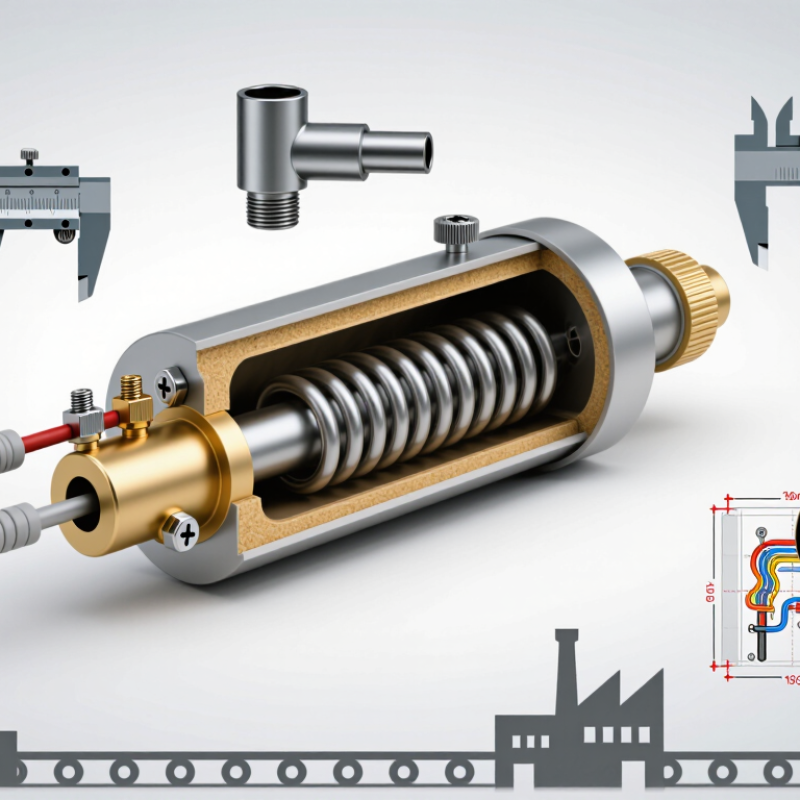
A Duraband nozzle band heater is an electric resistance heater fitted around an injection-molding machine’s nozzle. It transfers heat through a metal band into the nozzle, helping keep polymer melt at a suitable temperature as it travels toward the mold. Its construction may vary by model, but the assembly typically includes a heating element, insulation, a metal sheath, and a fastening system.

A close fit matters. Gaps can create uneven heating, while poor insulation can waste energy and expose nearby components to excess heat.

The U.S. Department of Energy’s Improving Process Heating System Performance: A Sourcebook for Industry estimates that process heating accounts for about 36% of energy use in U.S. manufacturing. That figure covers many processes, not nozzle heaters alone, but it shows why heater selection and control deserve attention.

Match the band to the nozzle’s diameter, heated length, voltage, and operating temperature. Check the clamp after installation, too.

Small details matter. A heater may reach its setpoint while the nozzle still has cold spots; temperature readings should be checked at more than one location where practical.

The label “Duraband” can describe different constructions, so confirm specifications before ordering.

How Does a Duraband Nozzle Band Heater Work?

A duraband nozzle band heater warms a machine nozzle from the outside. In many designs, an insulated resistance element sits inside a metal band. When current flows through the element, electrical resistance produces heat. The band transfers that heat to the nozzle through close physical contact.

It looks simple. But fit matters. A loose band can leave air gaps, slowing heat transfer and creating uneven temperatures. During installation, the band should sit squarely around a clean nozzle, with its edges properly aligned. A temperature sensor, often placed near the nozzle, reports readings to a controller. The controller switches power on and off to keep the temperature near its set point. It does not make every part of the nozzle equally hot.

In practical use, operators may notice temperature changes after material flow starts, because cooler material draws heat from the nozzle. A heater that is too small or poorly fitted may struggle to recover. A heater that runs too hot can also damage nearby wiring or degrade material in the nozzle. Check the fit, sensor position, and wiring before adjusting the set temperature.

One limitation is easy to overlook: a controller reading reflects the sensor’s location, not necessarily the nozzle’s hottest or coldest spot.

Which Design Features Affect Heater Performance?

China Top Duraband Nozzle Band Heater Supplier?

A band heater’s performance depends on more than its rated wattage. Fit matters: a heater that sits loosely around a nozzle leaves air gaps, slows heat transfer, and can create uneven temperatures. Clamping design should hold the band firmly without distorting it. Watt density also matters; excessive heat concentration may shorten element life, while insufficient output can cause slow recovery during production.

The U.S. Department of Energy’s Improving Process Heating System Performance sourcebook estimates that process heating uses about 36% of U.S. manufacturing energy. That figure is a useful reminder: small design choices can affect operating efficiency.

Sheath material, insulation, and sensor placement shape real-world results. A durable sheath helps withstand repeated thermal cycling, while suitable insulation reduces heat escaping into the surrounding area. Place the thermocouple near the heated zone, not where it only measures cooler ambient air. Test the assembly under actual operating conditions. A heater can look correct on paper and still perform poorly. I would also recheck clamp tension after initial heating; this detail is easy to miss.

Tips: Confirm nozzle diameter, operating temperature, and available power before choosing a heater. Check temperature uniformity at several points, not just one. Keep a record of warm-up time and recovery time; those measurements make later adjustments more useful.

Where Are Duraband Nozzle Band Heaters Commonly Used?

Nozzle band heaters are commonly fitted around injection-molding machine nozzles, where they help keep molten plastic flowing before it enters the mold. They also appear on small extrusion lines and heated process heads. Operators value their compact shape: a metal band clamps around the nozzle, while leads connect to a temperature controller. Fit matters. A loose band can create uneven heating, and a poorly placed thermocouple may report a misleading temperature.

Demand for plastic processing provides useful context, though it does not measure heater sales. The OECD’s 2022 Global Plastics Outlook estimates that worldwide plastics production reached 460 million tonnes in 2019, up from 234 million tonnes in 2000. That scale helps explain why heating components are routine on molding and extrusion equipment. In practice, buyers should check nozzle diameter, available space, operating temperature, and power supply before specifying a heater. A common mistake is to focus only on wattage. Contact quality and control settings matter too, and even a suitable heater cannot correct a damaged nozzle or poor process setup. The right choice depends on the machine and material.

How to Evaluate a China-Based Nozzle Band Heater Supplier?

How to Evaluate a China-Based Nozzle Band Heater Supplier?

A supplier’s catalog is only a starting point. Check whether its engineers ask about nozzle diameter, heater width, voltage, wattage, and operating temperature. These details affect fit and heat-up performance. Ask for a drawing with dimensions, terminal placement, and lead direction before approving production. Small differences matter. A heater that looks correct may still clash with nearby wiring or tooling.

Request material specifications and inspection records for resistance, insulation, and dimensions. If possible, evaluate a sample on your own equipment and record heat-up time and temperature stability. Ask how the supplier handles uneven heating, damaged terminals, or dimensional variation. Clear answers matter more than broad promises. Also confirm production lead time, packaging, and how technical changes are documented. A polished response is reassuring, but it cannot replace test data. Some requirements may become clearer only after installation, so leave room to review the design and adjust it.

How to Evaluate a China-Based Nozzle Band Heater Supplier

Suggested evaluation weighting for comparing suppliers of nozzle band heaters.

How to use: Use these suggested weights as a checklist when comparing suppliers. Request product specifications, temperature-control test results, material details, relevant safety documentation, and delivery and warranty terms. The percentages are an evaluation framework, not measured company or market data.