Skip to content

Top Blender Products to Buy in 2026 What Are the Best Choices?

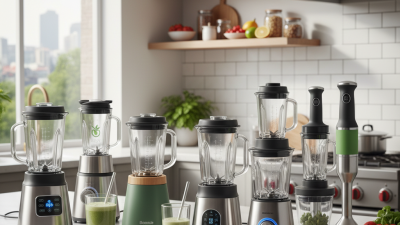
As we look toward 2026, the blender products market is evolving rapidly. Industry reports indicate that the demand for high-performance blenders will continue to grow. According to a study by market analyst Julia Carter, "The blender products industry thrives on innovation, functionality, and user experience." Consumers are seeking devices that blend seamlessly into their lifestyles.

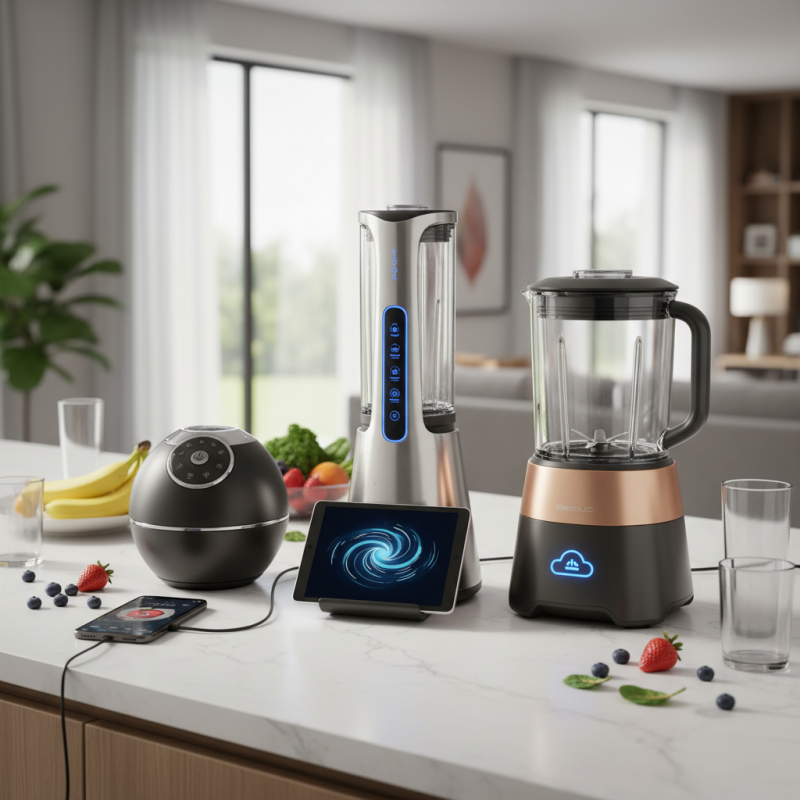
Leading brands are increasingly incorporating smart features and advanced technology into their blender products. For instance, consumers now want blenders that can connect to their smartphones. This trend reflects a broader desire for convenience and efficiency. However, quality remains a concern. Not all products deliver the performance promised in marketing campaigns.

In such a competitive landscape, differentiating between various blender products becomes challenging. Many users express frustration over subpar models that don’t meet their expectations. Thus, it's crucial for buyers to research before making a purchase. Knowing the right brands can make a difference in user satisfaction and overall kitchen harmony.
Top Blender Products to Buy in 2026 What Are the Best Choices?

Top Blender Products to Buy in 2026: What Are the Best Choices?

When exploring the best blender products in 2026, one must consider several key features. Power and efficiency stand out. A recent industry report highlights that models with at least 1,200 watts deliver superior blending results. Many consumers appreciate the speed and performance of high-wattage blenders. However, users might find some models overly noisy during operation. This could be a downside for those seeking quiet kitchen appliances.

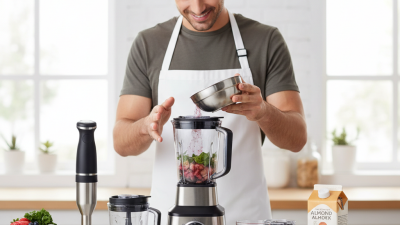
Another essential factor is versatility. Today's blenders offer a wide range of functions, from smoothies to soups. Reports indicate that multifunctional blenders gained about 25% market share last year. These gadgets can replace multiple kitchen tools. Yet, some may feel overwhelmed by complex settings. Simplicity is key for many buyers, who prefer straightforward controls over intricate features.

Size and design also play critical roles. Compact designs fit better in smaller kitchens, but they often sacrifice power. A study reveals that 60% of consumers prefer space-saving models. Nevertheless, some might miss the performance of larger blenders. Making the right choice requires considering individual needs and kitchen space. Thoughtful reflection on these factors can lead to a better buying decision.
The Evolution of Blender Technology: Key Trends to Watch in 2026

Blender technology is advancing rapidly, and 2026 promises exciting innovations. One key trend is the integration of smart features. Users will find blenders that can connect to apps, providing recipes and monitoring progress. This connectivity allows for a more personalized cooking experience. It’s fascinating yet raises questions about data privacy.

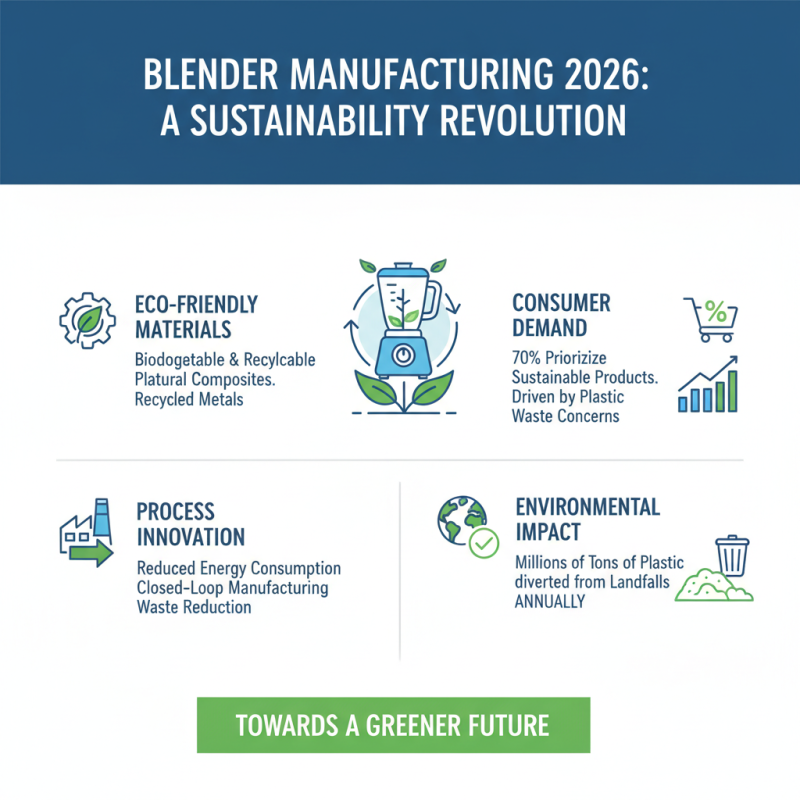
Another important development is the push for sustainability. Future blenders may use eco-friendly materials. This not only helps our planet but also appeals to environmentally conscious consumers. However, finding the right balance between performance and sustainability can be a challenge.

Finally, the demand for multifunctionality is growing. Many consumers want one appliance to handle multiple tasks. Expect models that can blend, chop, and even cook. As handy as this sounds, achieving efficiency in all these functions can be tricky. Users may find themselves longing for the simplicity of dedicated devices.

Consumer Preferences: Analyzing Blender Features that Drive Sales Growth

When selecting a blender, consumer preferences play a vital role. Features that resonate with users greatly impact sales growth. Many seek powerful motors. A high wattage can mean quicker blending. However, not all need the fastest option. Some prefer quieter models for a peaceful morning routine.

Capacity is another important aspect. Families may look for larger containers. Smaller households might opt for compact designs. A balance is needed. Too big can mean wasted space. Too small, and it won't meet needs. Customers often desire self-cleaning options. This feature can simplify the cleaning process. Yet, some users find it doesn't clean as effectively as manual methods.

Tips: Always consider the user's lifestyle. A busy professional might prioritize speed and efficiency over size. A health enthusiast might want a blender that handles tough ingredients. Check reviews but remember they may vary. Personal experience often gives the best insight. Don't rush the decision. Take time to reflect on your specific needs.

Top Blender Features Impacting Consumer Preferences in 2026

Performance Metrics: Comparing Blender Power, Speed, and Versatility Ratings

When choosing a blender, performance metrics matter significantly. Look closely at power, speed, and versatility. A powerful motor delivers better blending. For smoothies, a high wattage is essential. A blender with multiple speed settings offers more control. You can achieve different textures easily. Versatile blenders can handle ice, nuts, and even hot soups.

Tip: Assess your blending needs first. If you often blend frozen fruits, a strong motor is key. Consider how often you'll use it. If you blend occasionally, a simpler model may suffice.

Speed ratings also play a crucial role. A blender with a high RPM can spin ingredients quickly, resulting in smoother blends. However, too much speed can lead to warmth. This warmth can affect the taste and texture of your ingredients. Always check if the blender has cooling features to avoid this.

Tip: Think about your cleaning routine. Many blenders have different components. Some require hand washing, while others are dishwasher-safe. Choose one that fits your lifestyle.

Finally, versatility is vital. A blender that can chop, puree, and mix can be more useful. Consider models with attachments or settings for specific tasks. Some may perform well in certain areas but struggle with others. Test before you buy, if possible.

Sustainability in Blender Manufacturing: Eco-Friendly Choices for 2026

Top Blender Products to Buy in 2026 What Are the Best Choices?

Sustainability is at the forefront of blender manufacturing in 2026. The industry is shifting towards eco-friendly materials and processes. Recent studies indicate that 70% of consumers prioritize sustainable products. This trend is largely driven by concerns about plastic waste. Each year, millions of tons of plastic end up in landfills. Designers are focusing on biodegradable and recyclable materials.

Energy efficiency is another key area of improvement. Manufacturers are designing blenders that use less electricity without sacrificing performance. Data shows that energy-efficient models can save households up to 40% on their energy bills. Many advanced blenders now have a lower carbon footprint. Yet, some brands still rely on older, less efficient technologies. This inconsistency is concerning for eco-conscious buyers.

Transparency in sourcing materials is becoming essential. Companies must disclose the origins of their materials. A survey revealed that 65% of consumers want this information. However, not all brands comply with these expectations. This gap creates confusion for consumers. It highlights a need for improvement in supply chain transparency. The road to sustainability is still a work in progress.

Conclusion

In 2026, the landscape of blender products continues to evolve significantly, driven by advancements in technology and shifting consumer preferences. Key trends indicate a rise in power, speed, and versatility of blenders, catering to the growing demand for multifunctional kitchen appliances. Consumers are increasingly gravitating towards models that combine efficiency with innovative features, enhancing the overall blending experience.

Moreover, sustainability has taken center stage in the manufacturing of blender products, with eco-friendly options becoming a priority for environmentally conscious buyers. As market leaders push the boundaries of innovation, understanding these factors will be crucial for consumers looking to select the best blenders available. This analysis provides insights into the critical elements shaping the blender market in 2026, equipping buyers with the knowledge to make informed choices.