Skip to content

Top 10 Airflow HVAC Tips for Optimal Home Comfort and Efficiency

In today’s energy-conscious world, maintaining an optimal home environment is paramount not just for comfort but also for efficiency. According to the U.S. Department of Energy, heating and cooling account for nearly 50% of the average home’s energy costs. This stark statistic underscores the importance of effective airflow HVAC strategies that can significantly enhance indoor air quality while reducing energy consumption. Proper airflow management not only contributes to a comfortable living environment but also plays a crucial role in prolonging the lifespan of HVAC systems and reducing maintenance costs.

Research from the American Society of Heating, Refrigerating and Air-Conditioning Engineers (ASHRAE) indicates that homes with balanced airflow systems can see a 30% reduction in energy usage compared to those with poorly designed systems. By optimizing airflow HVAC systems, homeowners can achieve better temperature regulation, minimize hot or cold spots, and create a more sustainable living space. As we delve into the top 10 tips for enhancing airflow in your HVAC system, we will explore practical approaches to ensure that your home achieves the perfect blend of comfort and efficiency.
Top 10 Airflow HVAC Tips for Optimal Home Comfort and Efficiency

Understanding the Importance of Airflow in HVAC Systems

Proper airflow is crucial in HVAC systems for maintaining optimal home comfort and energy efficiency. When air circulates effectively throughout a space, it ensures consistent temperatures, reducing hot and cold spots that can lead to discomfort. This even distribution of air not only enhances the living environment but also allows heating and cooling systems to operate more efficiently, significantly lowering energy consumption and costs.

Understanding the dynamics of airflow can help homeowners make informed decisions regarding their HVAC systems. Factors such as duct design, filter cleanliness, and the placement of vents play a vital role in airflow efficiency. Blocked or poorly designed ducts can restrict air movement, forcing HVAC systems to work harder, which can lead to increased wear and tear. Regular maintenance, including duct cleaning and inspections, can enhance airflow and prolong the lifespan of HVAC equipment, ultimately contributing to a more comfortable and cost-effective home atmosphere.
Key Factors Affecting Airflow Efficiency in Your Home

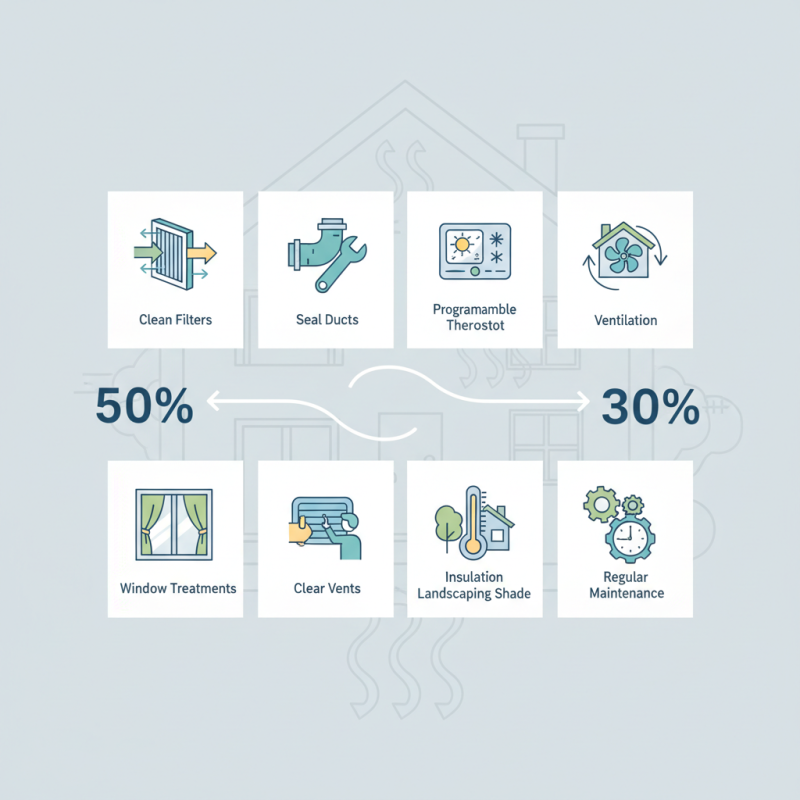
Proper airflow is crucial for maintaining both comfort and energy efficiency in your home. Key factors affecting airflow efficiency include the design of your HVAC system, insulation levels, and the condition of your ductwork. According to the U.S. Department of Energy, poorly sealed ducts can account for a significant loss of heating and cooling energy, sometimes as much as 30%. Ensuring that your home has well-maintained ducts and appropriate insulation can dramatically enhance airflow and reduce energy costs.

To improve airflow efficiency, consider implementing these tips: First, regularly change or clean your air filters. Clogged filters can obstruct airflow, forcing your HVAC system to work harder and consume more energy. The Energy Star program recommends changing filters every 1 to 3 months to keep systems running optimally. Second, ensure that furniture or other obstacles are not blocking air vents. Even minor obstructions can disrupt the intended airflow pattern, leading to uneven temperatures throughout your home.

Another vital aspect is the strategic use of ceiling fans. According to the American Society of Heating, Refrigerating and Air-Conditioning Engineers (ASHRAE), using ceiling fans in conjunction with your HVAC system can create a wind-chill effect, allowing you to raise your thermostat setting by several degrees in the summer without sacrificing comfort. This synergy not only promotes better airflow but also contributes to energy savings, making it a win-win for homeowners aiming for efficient climate control.

Top 10 Airflow HVAC Tips for Optimal Home Comfort and Efficiency

This chart displays key factors affecting airflow efficiency in your home based on their impact level.

Tips for Properly Sizing HVAC Ducts and Vents

Proper sizing of HVAC ducts and vents is crucial for maximizing efficiency and ensuring optimal comfort in your home. Start by calculating the total airflow required for each room based on its size and purpose. The standard measurement used is cubic feet per minute (CFM), which varies depending on factors such as the number of windows, insulation levels, and the number of occupants. By accurately determining the CFM needed, you can select duct sizes that will deliver the right amount of air without strain on your HVAC system.

It's equally important to consider the layout of your ductwork and the location of your vents. Ducts should be sized to maintain balanced airflow throughout your home. Avoid sharp bends and extensive lengths, which can impede airflow and decrease system efficiency. Vent placement also matters; vents should be located in areas that promote even distribution of conditioned air, such as center locations within each room. Additionally, ensure that vents are not obstructed by furniture or other items, as this can lead to dead zones with inadequate heating or cooling. Taking these steps will help maintain comfortable temperatures throughout your living space while optimizing the overall performance of your HVAC system.

Top 10 Airflow HVAC Tips for Optimal Home Comfort and Efficiency

Tip Number HVAC Tip Description Impact on Efficiency
1 Proper Duct Sizing Ensure ducts are sized according to the room's requirements to maintain balanced airflow. Increases efficiency and comfort.
2 Sealing Ducts Seal any leaks in the ductwork with appropriate materials to prevent loss of airflow. Significantly boosts energy efficiency.
3 Upgrade Filters Use high-efficiency filters that capture more particles while providing adequate airflow. Enhances air quality and system efficiency.
4 Regular Maintenance Schedule routine servicing of the HVAC system to prevent unexpected breakdowns. Maintains optimal performance and efficiency.
5 Zoning Systems Implement zoning to control temperatures in different areas of the home. Increases comfort while reducing excess energy use.
6 Thermostat Settings Adjust your thermostat settings for optimal performance throughout the day. Promotes energy savings and comfort.
7 Inspect Vents Regularly check vents for blockages or obstructions to ensure proper airflow. Enhances system efficiency.
8 Humidity Control Use dehumidifiers or humidifiers as needed to maintain optimal humidity levels. Improves comfort and efficiency.
9 Airflow Direction Adjust the direction of air vents for optimal climate control in each room. Maximizes comfort and system efficiency.
10 Energy Efficient Systems Consider investing in a high-efficiency HVAC system for long-term savings. Offers significant energy savings over time.

Regular Maintenance Practices to Optimize Airflow

Regular maintenance practices are essential for optimizing airflow in HVAC systems, which not only enhances home comfort but also improves energy efficiency. According to the U.S. Department of Energy, proper maintenance of heating and cooling systems can reduce energy bills by up to 30%. Regular filter replacement is one of the simplest yet most effective maintenance tasks. Clogged filters restrict airflow and can cause the system to work harder, leading to increased energy consumption. It is recommended to check and replace filters every one to three months, depending on usage and type.

Additionally, cleaning the air ducts is crucial to maintaining optimal airflow. A study by the National Air Duct Cleaners Association found that dirty ducts can lead to a 20% loss in HVAC efficiency. Over time, dust, allergens, and debris can accumulate in ducts, hampering airflow and affecting indoor air quality. Scheduling professional duct cleaning every few years can significantly improve both the efficiency of the HVAC system and the overall air quality in your home. Regular maintenance, including checking for leaks and ensuring that vents are unobstructed, can contribute to a more comfortable and energy-efficient living environment.

Strategies for Improving Air Circulation in Different Home Areas

Top 10 Airflow HVAC Tips for Optimal Home Comfort and Efficiency

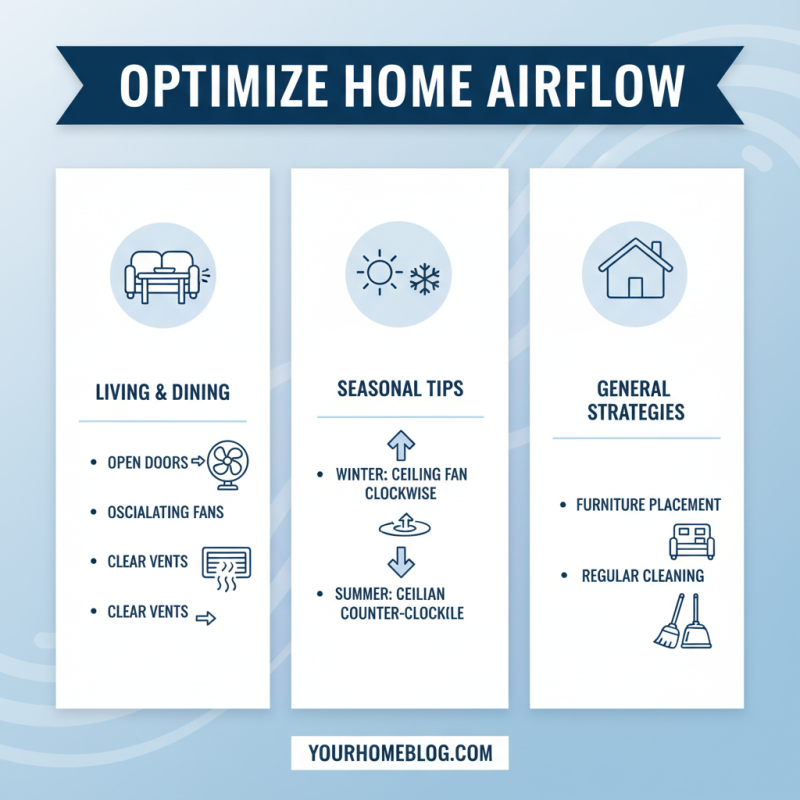
To improve air circulation in different areas of your home, it’s essential to address the unique characteristics of each room. In living spaces where gatherings often occur, such as the living room and dining areas, consider optimizing airflow by keeping doors to these rooms open and using oscillating fans to distribute air evenly. Ensure that furniture is arranged to avoid blocking vents, which can impede airflow. Additionally, utilizing ceiling fans in the clockwise direction during the winter can help circulate warm air that accumulates near the ceiling.

In more enclosed spaces like bedrooms and home offices, managing airflow is crucial to maintain comfort. You can enhance circulation by opening windows when weather permits, allowing fresh air to flow in. If outdoor conditions aren’t suitable, using a small fan can help keep the air from becoming stagnant. Installing vent covers that can be adjusted based on usage can also help direct airflow where needed. Another effective strategy is to ensure that HVAC systems are properly maintained, as clogged filters can significantly restrict airflow throughout the house. Adopting these practices will help create a more comfortable and efficient environment in every area of your home.