Skip to content

Top Air Handling Units for Efficient Indoor Climate Control?

In the world of air handling, efficient climate control is crucial. Experts like Dr. Emily Carter, a leading authority in HVAC systems, emphasize this: "Proper air handling significantly enhances indoor environments." This statement highlights the importance of selecting the right air handling units (AHUs) for any space.

Choosing top-notch AHUs can improve air quality and occupant comfort. However, many facilities still struggle with outdated systems. This can lead to higher energy costs and poor indoor climates. It's essential to recognize the frequent gaps in air handling practices. Reflections on these challenges can pave the way for better solutions and innovations.

As technology evolves, so do the options available in air handling equipment. The demand for energy-efficient models continues to rise. Yet, many organizations often overlook maintenance issues. Addressing these imperfections can lead to substantial improvements. By focusing on effective air handling solutions, we can create healthier indoor environments.
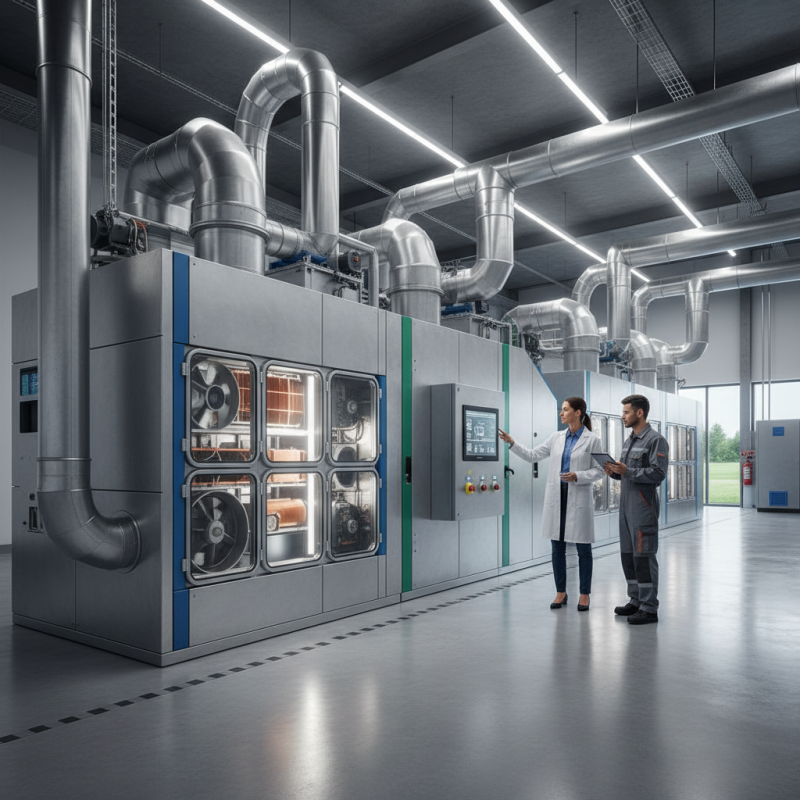
Top Air Handling Units for Efficient Indoor Climate Control?

Top Features to Look for in Air Handling Units for Energy Efficiency

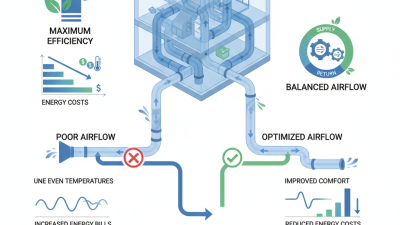
When choosing air handling units (AHUs), energy efficiency is vital. A recent industry report highlights that well-designed AHUs can improve energy efficiency by up to 30%. This significant reduction reduces overall operational costs and minimizes the environmental impact.

Key features to focus on include variable speed drives, which adjust fan speeds based on demand. This functionality prevents unnecessary energy consumption. Moreover, integrated energy recovery systems can reclaim heat or coolness from exhaust air, increasing the unit's efficiency by as much as 50%. Filtration systems are equally crucial. High-efficiency particulate air (HEPA) filters improve indoor air quality while also impacting energy use. A 2022 study revealed that businesses often overlook regular maintenance of these systems, hindering their performance.

Another consideration is the control system. Smart technology can optimize energy usage. However, many facilities hesitate to adopt these technologies due to perceived complexity or costs. On the surface, initial investments may seem high. Nonetheless, the long-term savings typically offset upfront costs. Therefore, reflecting on how such features align with operational goals is essential for maximizing both comfort and cost savings.
Comparative Analysis of Air Handling Unit Types: Advantages and Drawbacks

When considering air handling units (AHUs), it’s essential to evaluate their various types. Each type has distinct advantages and drawbacks that impact efficiency and indoor climate control. For instance, packaged AHUs offer easy installation and require less space, making them suitable for small buildings. However, they may limit customization options for specific climate needs.

On the other hand, modular AHUs provide flexibility. They can be expanded or modified based on changing requirements, which is a significant advantage for growing businesses. According to a recent industry report, modular systems can improve energy efficiency by up to 30%, providing substantial long-term savings. Yet, these systems may require more initial investment and complex maintenance.

There are also energy recovery ventilators (ERVs) that enhance air quality. They reduce energy costs by transferring heat and moisture between incoming and outgoing air. Yet, they may not be ideal in extremely cold regions, as their effectiveness can diminish in severe climates. Understanding these factors is crucial for optimizing indoor climate control. Balancing efficiency, cost, and comfort can pose a challenge, but it is necessary for achieving optimal performance.

Top Air Handling Units for Efficient Indoor Climate Control

Industry Standards and Regulations Impacting Air Handling Unit Performance

Air handling units (AHUs) are crucial for maintaining indoor climate control. These systems must comply with industry standards and regulations. Compliance ensures that AHUs operate efficiently, providing quality air. Effective performance prevents issues like poor air quality and excess humidity.

Regulations often dictate energy efficiency levels. Standards such as ASHRAE 90.1 outline minimum energy performance. Adhering to these guidelines can lower operational costs. Regular inspections help in identifying issues. This is essential for optimal performance.

Tip: Schedule regular maintenance for your AHU. This can prevent unexpected breakdowns. A well-maintained unit operates more efficiently.

The design of AHUs should also reflect local climate conditions. Different environments require tailored solutions. Relying on generic designs may lead to inefficiencies. It’s important to consider specific building needs.

Tip: Invest time in evaluating your unit’s performance. Small adjustments can lead to significant improvements. Monitoring air quality can enhance occupant comfort.

Top Air Handling Units for Efficient Indoor Climate Control

Model Airflow Capacity (CFM) Energy Efficiency Ratio (EER) Noise Level (dB) Applicable Standards
Model A 2000 12.5 50 ASHRAE 62.1
Model B 3000 11.0 55 ISO 14001
Model C 2500 14.0 48 LEED
Model D 3500 10.0 60 AHRI Certified

Innovative Technologies Enhancing Air Handling Unit Efficiency Metrics

Top Air Handling Units for Efficient Indoor Climate Control?

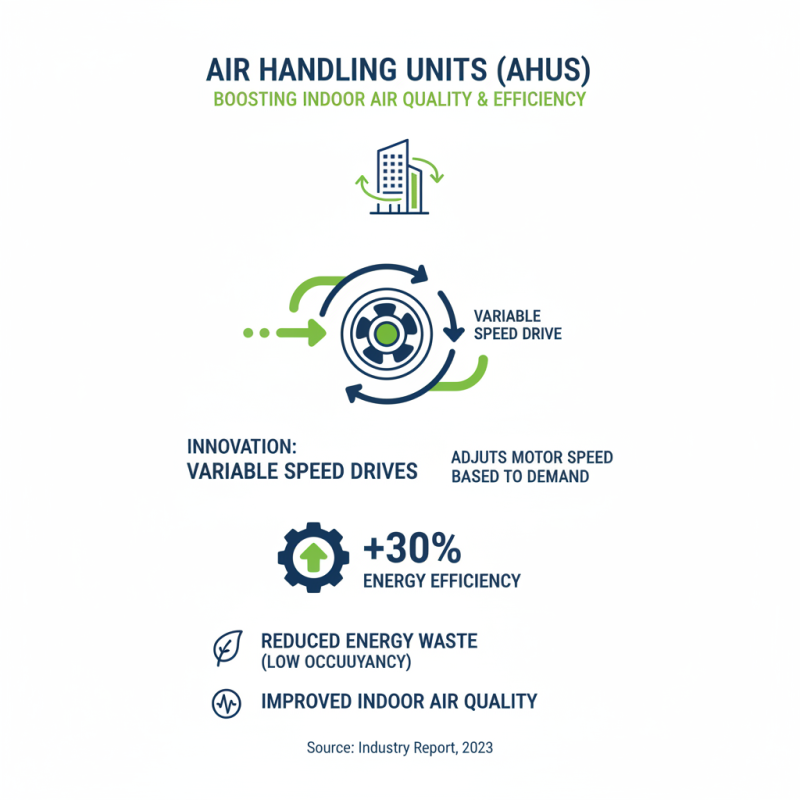
Air handling units (AHUs) are essential for maintaining indoor air quality. Recent innovations have significantly boosted their efficiency metrics. For instance, integrating variable speed drives can enhance energy consumption by up to 30%. This technology allows motors to adjust speed according to demand, reducing energy waste during low occupancy periods.

Another promising trend is the adoption of advanced filtration systems. HEPA filters can trap 99.97% of particles as small as 0.3 microns. This not only improves air purity but also extends the maintenance intervals for AHUs. Research suggests that improved air quality can lead to a 15% increase in occupant productivity. However, these systems require careful balancing. Over-filtration can lead to increased pressure drop, which may strain motors and counteract efficiency gains.

Furthermore, smart controls are becoming integral to optimizing performance. These systems analyze real-time data to adjust airflow, temperature, and humidity levels. Such adjustments can cut energy costs by 20%, according to industry reports. Yet, implementing these technologies poses challenges. Many facilities lack the infrastructure for seamless integration. An overhaul may be necessary, which can be costly and time-consuming. Balancing innovation with practicality remains an ongoing concern for facility managers.

Case Studies: Successful Implementations of Energy-Efficient Air Handling Units

Energy-efficient air handling units (AHUs) are transforming indoor climate control. They optimize ventilation while minimizing energy use. Many organizations see significant benefits.

In one case, a commercial building upgraded its AHUs. They found lower energy costs and a more comfortable environment. The new units balanced fresh air and temperature effectively. However, some staff noticed occasional fluctuations in humidity levels. This highlighted the need for ongoing monitoring and adjustments.

Another example involves a school district. They implemented variable speed AHUs that adapt to occupancy. This led to energy savings and improved air quality. Yet, some maintenance challenges arose. Keeping filters clean became essential to ensure peak performance.


Tips: Regular training for staff is crucial. They should understand how to operate and maintain AHUs. Additionally, using real-time monitoring systems can help identify issues quickly. Small adjustments make a big difference in performance.