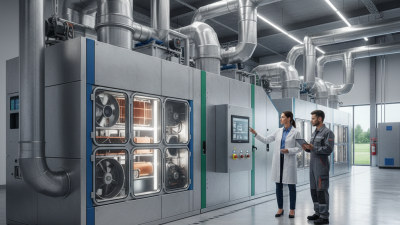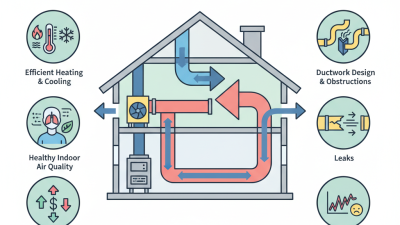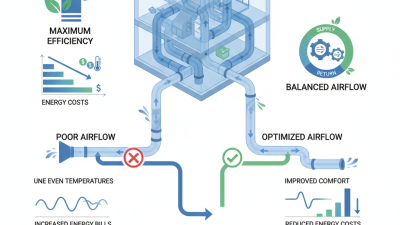
When seeking the ideal air handling unit (AHU), potential buyers often encounter a range of features. The correct selection can influence energy efficiency, indoor air quality, and overall comfort. Specifically, air handling units play a crucial role in HVAC systems, distributing both heating and cooling throughout a building. Each feature contributes to the unit’s effectiveness and longevity. Understanding these aspects is vital for making an informed choice.
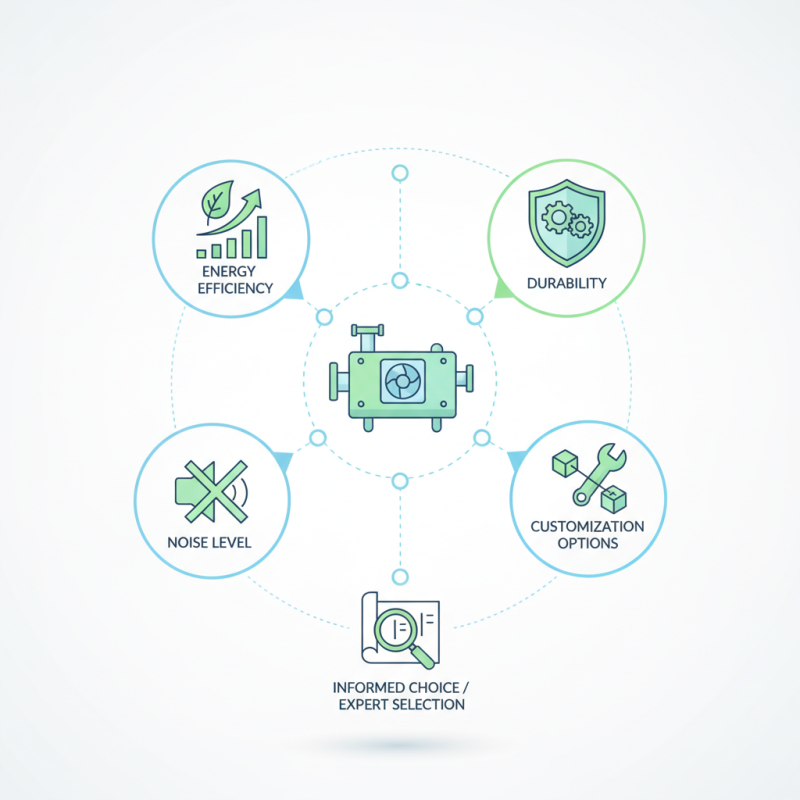
Consider the impact of energy efficiency ratings. They provide insight into operational costs over time. A more efficient air handling unit can lead to significant savings. Durability is another key aspect; materials used in construction can affect maintenance needs. Buyers should evaluate the noise level of the unit. Noise can be a critical factor in residential and commercial settings.
Additionally, customization options can enhance functionality. Each building has unique needs, making adaptability crucial. Evaluating these features goes beyond just specifications; it requires experience and understanding. Mistakes in this process can lead to higher costs and reduced satisfaction. Ultimately, a thoughtful approach to selecting an air handling unit pays off. It demands careful consideration and sometimes a deeper dive into technical understanding. Buyers should be prepared to reflect and ask the right questions.
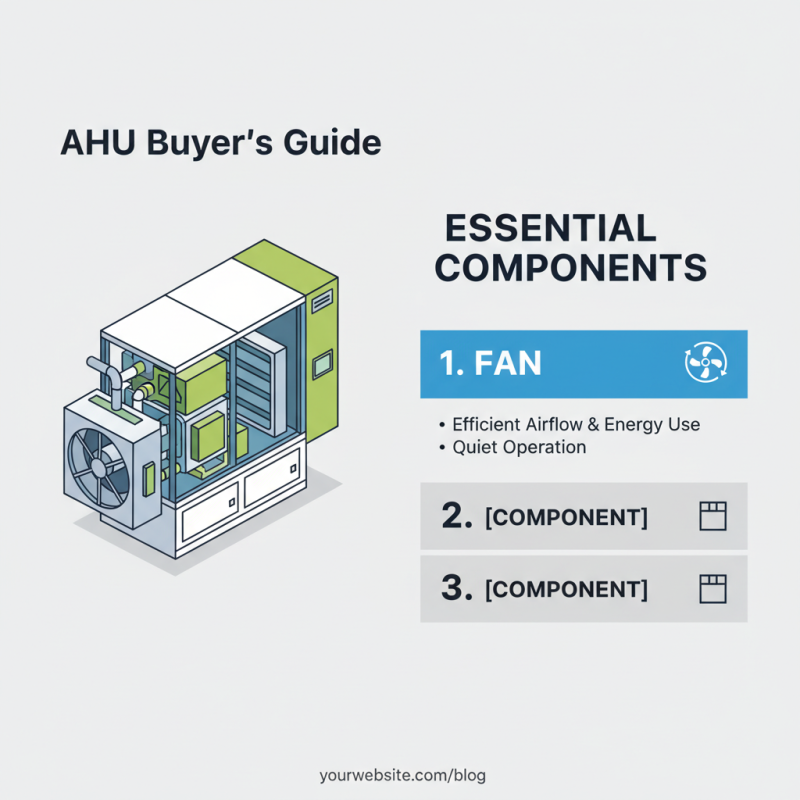
When considering air handling units (AHUs), buyers should focus on essential components that determine performance and reliability. The first component to evaluate is the fan. A high-quality fan ensures adequate airflow while minimizing energy consumption. Look for fans designed for quiet operation and efficient airflow patterns. These features contribute to a more comfortable indoor environment.
Filters are another critical aspect. Efficient filters enhance air quality by trapping dust, pollen, and other particulates. HEPA filters, for instance, offer superior filtration but require regular maintenance. This maintenance can become a challenge if not properly planned. Thus, understanding your building's air quality needs is vital when selecting filters.
Another important component is the heat exchange system. This system plays a crucial role in temperature control. Efficiency here can significantly impact overall operational costs. However, selecting the right system depends on your space and climate conditions, which can complicate decision-making. Balance efficiency with initial costs to find a suitable solution for your environment.
Energy efficiency ratings play a crucial role in the selection of air handling units. These ratings indicate how effectively the unit uses energy to perform its tasks. Higher efficiency often leads to lower operational costs and a reduced carbon footprint. Many buyers overlook this aspect at first, focusing more on upfront costs. However, long-term savings can outweigh initial expenses.
Understanding energy ratings is vital for making informed decisions. Various rating systems assess energy consumption. Buyers need to familiarize themselves with terms like EER (Energy Efficiency Ratio) and COP (Coefficient of Performance). A unit with a high EER or COP will deliver better performance while consuming less energy.
Consider your specific needs and environment. An energy-efficient air handling unit might not suit every space. Placement and usage patterns can impact overall performance. A thorough analysis of your situation will ensure the right choice. Reflecting on your decisions can lead to better outcomes.
Air handling units (AHUs) play a crucial role in maintaining indoor air quality (IAQ). The effectiveness of these units largely depends on the filters used. Quality filters can significantly reduce allergens, dust, and harmful pathogens. Research shows that using high-efficiency particulate air (HEPA) filters can remove up to 99.97% of airborne particles as small as 0.3 microns. This capability is vital for environments like hospitals and schools.
Indoor air can often be more polluted than outdoor air. For instance, the Environmental Protection Agency (EPA) reports that indoor pollutants can be two to five times higher than outdoor levels. Consequently, effective filtration is essential. But selecting the right filter is a challenge. Not all filters are created equal. Some may reduce airflow, compromising the unit’s efficiency. Users need to balance filter efficiency with airflow resistance.
Regular maintenance of filters is also often overlooked. Neglecting filter changes can lead to increased energy consumption. The U.S. Department of Energy estimates that dirty filters can increase energy usage by up to 15%. This small oversight can be costly over time, highlighting the importance of consistent filter management in AHUs.
This chart illustrates the top five features that are crucial for buyers of Air Handling Units (AHUs). Each feature is rated on an importance level from 1 to 10, emphasizing that filter efficiency is the most critical aspect for ensuring indoor air quality.
When selecting an air handling unit (AHU), noise levels play a crucial role. Many buyers overlook this aspect, but it can significantly impact both comfort and productivity. High noise levels can create an uncomfortable environment. This is especially important in places like offices or hospitals, where peace is essential.
Buyers should consider the decibel ratings of different units. Lower ratings typically indicate quieter operation. However, achieving a balance between efficiency and noise is often challenging. Some users report that even well-rated units can produce unexpected sounds. This may require additional evaluation and testing before making a purchase.
The installation environment also affects noise levels. For instance, poorly insulated ductwork may amplify sounds. Buyers need to be aware of this potential issue. Evaluating the location and building materials can help mitigate excessive noise. Make sure to analyze both current and future needs. A thoughtful approach ensures that the chosen AHU provides satisfactory performance without disruptive noise.
Maintenance is crucial for ensuring the longevity of air handling units (AHUs). Regular upkeep can extend their operational lifespan, potentially saving thousands in replacement costs. According to the American Society of Heating, Refrigerating and Air-Conditioning Engineers (ASHRAE), proper maintenance can improve system efficiency by up to 30%. This is vital for maintaining air quality and energy consumption.
Cleaning air filters regularly prevents dirt accumulation. A study found that clogged filters can reduce air flow by 50%. This reduction leads to strain on the unit and increased energy consumption. Monitoring humidity levels is important as well. High moisture can promote mold growth and damage the unit's components. Implementing a consistent maintenance schedule is key.
Additionally, inspecting the fan blades and ensuring they are free from dust helps maintain effective air circulation. Neglecting these aspects can lead to significant operational issues. The U.S. Department of Energy highlights that routine inspections can detect wear and tear before larger problems arise. By prioritizing maintenance, facility managers can enhance performance and reduce long-term costs.