Skip to content

Top 10 New HVAC Units for Efficient Home Heating and Cooling

In the pursuit of energy efficiency and enhanced indoor comfort, homeowners are increasingly focusing on the adoption of new HVAC units. According to the U.S. Department of Energy, heating and cooling account for nearly half of a home’s energy use, making it crucial to select systems that not only meet individual needs but also contribute to energy savings. The latest advancements in HVAC technology have led to systems that significantly outperform their predecessors, offering improvements in efficiency ratings and reduced environmental impact.

Recent industry reports highlight that high-efficiency units can reduce energy consumption by up to 30%, translating to substantial savings on utility bills. Innovations such as variable-speed compressors, smart thermostats, and improved refrigerants are just a few ways in which new HVAC units are setting benchmarks for performance and sustainability. With the HVAC market projected to grow at a CAGR of 5.1% through 2027, it is imperative for homeowners to stay informed about the best options available, particularly when it comes to making more efficient and eco-friendly choices in home heating and cooling systems.
Top 10 New HVAC Units for Efficient Home Heating and Cooling

Top Features to Look for in 2025's HVAC Units for Home Efficiency

When selecting HVAC units in 2025, homeowners should prioritize energy efficiency features that align with modern environmental standards. Look for units that come equipped with advanced SEER (Seasonal Energy Efficiency Ratio) ratings, indicating superior performance in cooling modes. High SEER ratings can significantly lower energy consumption, leading to reduced utility bills while minimizing the home's carbon footprint. Additionally, consider models featuring variable-speed compressors, which adjust their output based on the home's heating and cooling needs, providing consistent comfort without overusing energy.

Another key aspect to evaluate is the incorporation of smart technology. Modern HVAC systems often include Wi-Fi connectivity and mobile app integration, allowing homeowners to monitor and control their climate settings remotely. This capability not only enhances convenience but also enables the optimization of energy use by allowing for scheduled adjustments based on occupancy patterns. In 2025, look for units that support compatibility with smart home ecosystems, ensuring seamless integration with other devices for enhanced efficiency and user experience.
Top 10 New HVAC Units for Efficient Home Heating and Cooling

Comparative Analysis of Energy Ratings for New Heating and Cooling Systems

Top 10 New HVAC Units for Efficient Home Heating and Cooling

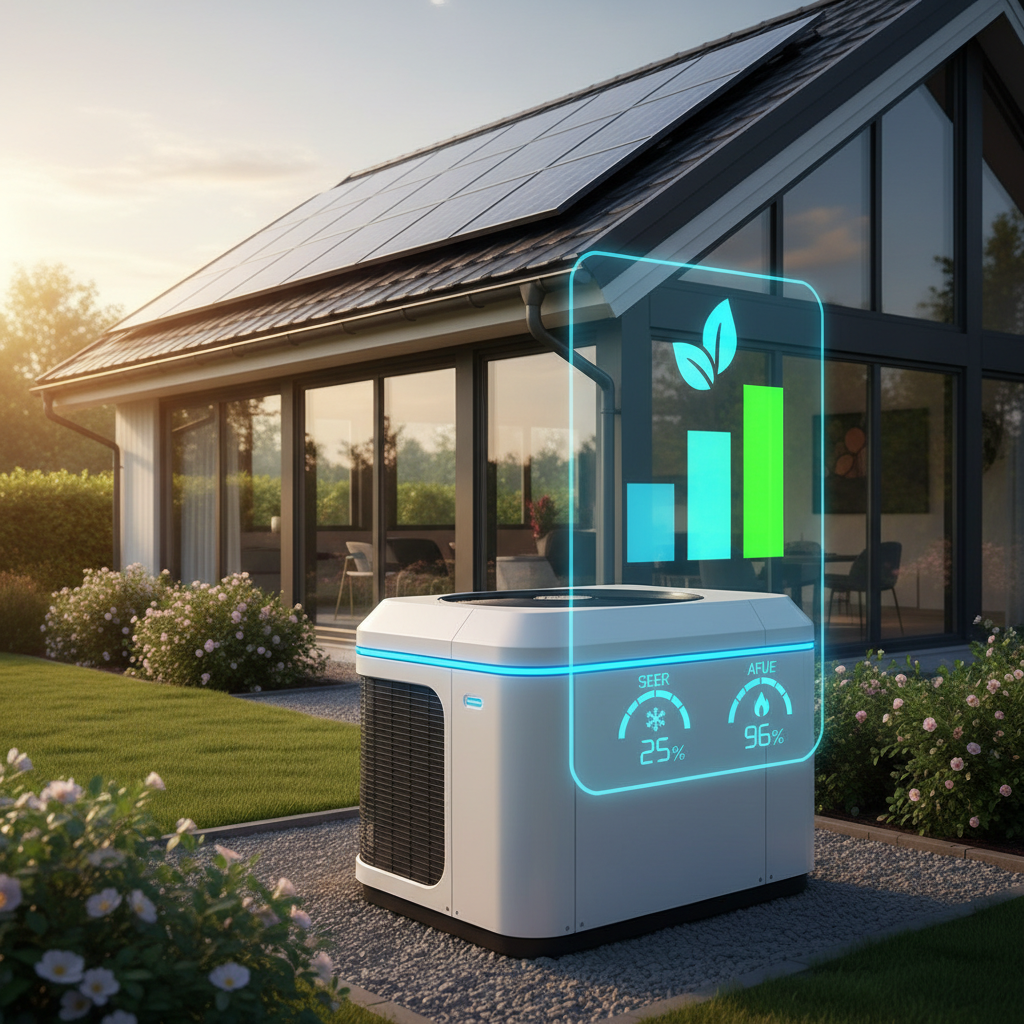
When selecting a new HVAC unit, understanding energy ratings is crucial for efficient home heating and cooling. Energy efficiency ratings, typically represented by SEER (Seasonal Energy Efficiency Ratio) for cooling and AFUE (Annual Fuel Utilization Efficiency) for heating, provide a comparative measure of system performance. Units with higher ratings consume less energy, reducing utility bills and environmental impact. Modern HVAC systems are designed to meet stringent efficiency guidelines, making them a smart investment for homeowners seeking both comfort and sustainability.

**Tips:**
1. Always check the ENERGY STAR label on HVAC units, which indicates that the product meets energy efficiency guidelines set by the U.S. Environmental Protection Agency.
2. Consider the size of your home and the unit’s capacity; oversized or undersized systems can lead to inefficient energy use and fluctuating temperatures.
3. Schedule regular maintenance for optimal performance; clean filters and well-maintained ducts enhance the efficiency of any HVAC system.

By focusing on these energy ratings and tips, homeowners can make informed decisions, ensuring they choose the best HVAC unit for their heating and cooling needs.

Innovative Technologies Enhancing HVAC Performance in 2025

In 2025, the HVAC industry is set to witness significant advancements, driven by innovative technologies that enhance performance and efficiency. According to the latest report from the U.S. Department of Energy, homes equipped with smart HVAC systems can achieve up to 30% energy savings compared to traditional units. These smart systems utilize advanced sensors and AI-driven algorithms to learn users' preferences and optimize heating and cooling cycles accordingly, reducing unnecessary energy consumption.

Furthermore, emerging technologies such as variable refrigerant flow (VRF) systems and high-efficiency heat pumps are revolutionizing home comfort. The Air-Conditioning, Heating, and Refrigeration Institute (AHRI) indicates that modern heat pumps can now deliver a heating efficiency of up to 300%, even in colder climates. This is a marked improvement from previous generations and positions heat pumps as a sustainable choice for homeowners looking to minimize their carbon footprint while maintaining comfort. As these innovations continue to proliferate, the HVAC landscape is on track for a smarter, greener future that benefits both consumers and the environment.

Cost-Benefit Breakdown of the Latest HVAC Units for Homeowners

As homeowners seek to improve energy efficiency in their living spaces, selecting the right HVAC unit becomes paramount. Recent industry insights highlight the cost benefits of upgrading to the latest energy-efficient models. High-efficiency HVAC systems not only reduce utility bills but also enhance overall comfort by effectively regulating indoor temperatures. Engaging in proper HVAC repairs and maintenance can further diminish energy costs, ensuring the unit operates at optimal performance.

In light of rising energy costs, alternative cooling methods such as running fans instead of relying heavily on air conditioning have been endorsed by experts as a more economical option. Moreover, homeowners are encouraged to explore financial incentives for energy upgrades, as tax credits for solar panels and heat pumps are set to expire soon. By investing in innovative HVAC technologies now, homeowners can position themselves to benefit from long-term savings, while maintaining a comfortable and energy-efficient home environment.

Sustainability and Eco-Friendliness in 2025 HVAC Solutions

In 2025, the HVAC industry is witnessing a significant shift towards sustainability and eco-friendliness, driven by advancements in technology and increasing consumer demand for greener solutions. According to the U.S. Energy Information Administration, HVAC systems account for nearly half of the energy consumption in residential buildings. As homeowners seek to reduce their carbon footprints, manufacturers are rising to the challenge. Recent reports from the International Energy Agency indicate that energy-efficient HVAC units can reduce overall energy usage by up to 30%, providing both environmental benefits and cost savings.

Innovative designs, such as those utilizing variable refrigerant flow (VRF) systems and geothermal heat pumps, have become frontrunners in eco-friendly heating and cooling solutions. A study by the American Society of Heating, Refrigerating and Air-Conditioning Engineers (ASHRAE) projected that the integration of smart technologies in HVAC systems could further optimize energy use by offering real-time adjustments based on occupancy and climate conditions. Additionally, many leading brands are now focusing on refrigerants with lower global warming potential (GWP), emphasizing a commitment to sustainability that aligns with regulatory changes and consumer preferences. This proactive approach not only contributes to a healthier planet but also enhances the overall efficiency of home heating and cooling systems.

Top 10 New HVAC Units for Efficient Home Heating and Cooling - Sustainability and Eco-Friendliness in 2025 HVAC Solutions

Model Type Energy Efficiency Rating (SEER) Heating Capacity (BTU) Cooling Capacity (BTU) Eco-Friendly Features
Model A Heat Pump 22 60000 50000 Variable-speed compressor, Recyclable materials
Model B Ductless Mini-Split 24 48000 42000 Smart thermostats, Low GWP refrigerant
Model C Central Air 21 70000 60000 High-efficiency air filter, Programmable settings
Model D Geothermal Heat Pump 30 75000 55000 Sustainable energy source, Long lifespan
Model E Smart HVAC System 23 65000 58000 AI optimization, High-performance insulation
Model F Hybrid System 25 70000 62000 Dual fuel options, Eco-friendly components
Model G Zoned Heating/Cooling 22 55000 48000 Individual temperature control, Reduced energy waste
Model H Packaged Unit 18 90000 75000 Built-in UV filters, PFC compliant
Model I Vertical System 20 65000 59000 Smart zoning, Eco-conscious design
Model J Rooftop Unit 19 80000 72000 High-efficiency motors, Sustainable materials