
China Top 10 Hengchang Quilting Machine Suppliers
Choosing a quilting machine supplier involves more than comparing prices or browsing polished product photos. Buyers need equipment that matches fabric width, stitch patterns, production volume, and available floor space. A Hengchang Quilting Machine may suit some workshops, but its fit depends on the actual job. Ask suppliers for clear specifications, operating videos, and details about installation and training. Small details matter. Needle configuration, frame stability, and control settings can affect daily output. A confident sales claim is useful only when it can be checked against a machine demonstration or written documentation.
This overview of China’s top 10 Hengchang Quilting Machine suppliers is intended to help buyers organize that research. It considers practical factors such as product range, customization, communication, spare-parts support, and export experience. Supplier descriptions and capabilities can change, so treat any shortlist as a starting point, not a final endorsement. Request current quotations and confirm lead times directly. Ask how service requests are handled after delivery. A workshop may look impressive online, yet its response to a specific technical question can reveal more. There is no perfect checklist; I would also compare sample results on the fabric you actually use. That extra step takes time. It can prevent an expensive mismatch.
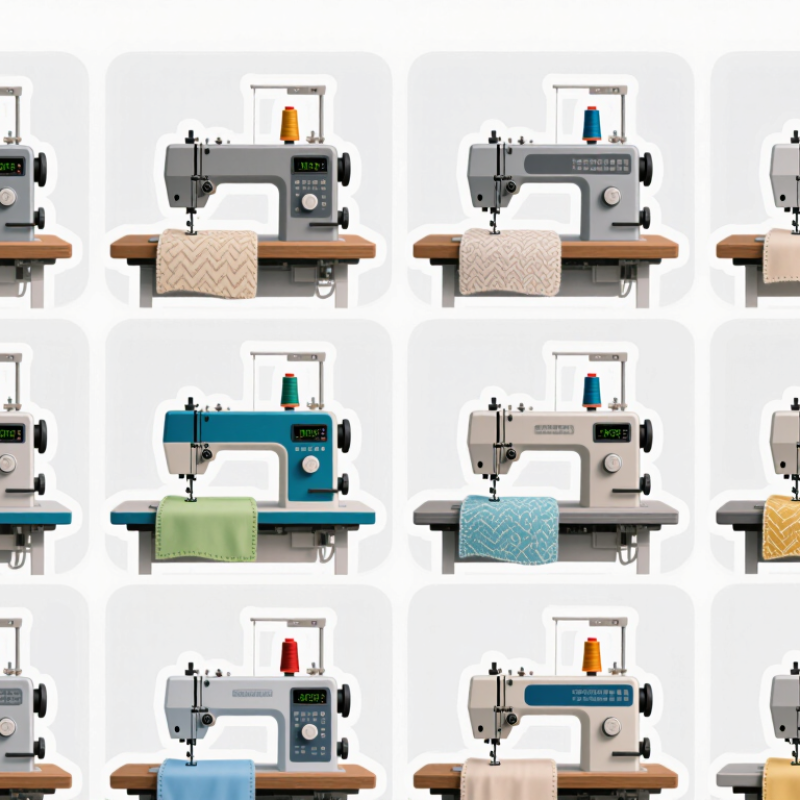
Hengchang Quilting Machines in China: Product Types and Core Specifications
Quilting machines made in China are available in several formats, from single-needle units for smaller workshops to multi-needle systems for continuous production. Computerized models can store stitch patterns and adjust quilting paths through a control panel. Mechanical models may suit simpler designs and routine work. The format matters. Buyers should match machine type to quilt size, fabric layers, and daily output rather than relying on a headline speed.
Core specifications include working width, needle count, stitch length, maximum sewing speed, and usable quilting area. A wider frame can handle larger panels, but it also needs more floor space. Check whether the quoted speed applies under production conditions; thick batting and dense patterns may require slower settings. Motor power, supported file formats, frame rigidity, and compatibility with common fabric weights also deserve attention. Ask for sample stitching on materials similar to those used in your workshop.
Ease of setup affects real productivity. Look for clear controls, accessible threading points, and practical maintenance instructions. Request details about electrical requirements, spare parts, training, and service response times before comparing offers. A specification sheet can still leave gaps. For example, it may list stitch length without explaining how consistently the machine holds it across a full quilt. That detail is easy to overlook. Test a representative pattern, inspect the reverse side, and record thread breaks, alignment, and finish quality before choosing.
China Top 10 Hengchang Quilting Machine Suppliers - Hengchang Quilting Machines in China: Product Types and Core Specifications
Industry overview of common quilting machine types. This is a product-type comparison, not a supplier ranking; actual specifications depend on the machine configuration and should be confirmed with the manufacturer.
| No. | Machine type | Stitching or bonding system | Typical applications | Core specifications to check |
|---|---|---|---|---|
| 1 | Computerized single-needle quilting machine | Lockstitch formed with a needle thread and bobbin thread | Bedding panels, quilts, and flexible small-batch patterns | Working area, pattern memory, stitch length, needle system, and compatible fabric thickness |
| 2 | Multi-needle chain-stitch quilting machine | Multiple needles form chain stitches using loopers; no bobbin thread is used for the chain stitch | High-volume quilting of mattress panels, comforters, and similar layered goods | Number of needles, quilting width, row spacing, stitch pattern options, and thread-break detection |
| 3 | Multi-needle lockstitch quilting machine | Multiple needle-and-bobbin lockstitch units | Quilted products where a secured lockstitch is required | Needle count, bobbin capacity, working width, stitch adjustment, and bobbin-change access |
| 4 | Long-arm quilting machine | A sewing head travels across a large quilt held on a frame | Large quilts, bed covers, and patterned work requiring a broad sewing area | Throat space, frame dimensions, carriage movement, stitch regulation, and manual or computerized control |
| 5 | Single-head computerized pattern quilting machine | One sewing head follows programmed patterns | Custom designs, varied pattern runs, and production requiring frequent pattern changes | Pattern-file compatibility, usable sewing field, control interface, pattern editing, and repeat accuracy |
| 6 | Multi-head quilting machine | Multiple sewing heads work across a shared production setup | Repeated designs and larger-scale production runs | Head count, head spacing, synchronization, usable width, and setup requirements |
| 7 | Mattress-panel quilting machine | A quilting head stitches layered panel material, often with patterned control | Mattress tops, mattress panels, and related bedding components | Panel width, material-feed method, layer handling, pattern options, and compatibility with the intended panel materials |
| 8 | Continuous-feed quilting machine | Quilting heads stitch material as it advances through a feed system | Long runs of quilted fabric and repeat-pattern production | Feed width, material alignment, tension control, feed speed range, and roll-handling arrangement |
| 9 | Shuttle-type quilting machine | A shuttle carries the bobbin thread to form a lockstitch | Quilted products made with a shuttle-based lockstitch configuration | Shuttle and bobbin system, needle configuration, stitch length, maintenance access, and fabric capacity |
| 10 | Ultrasonic quilting machine | Ultrasonic energy bonds compatible synthetic layers without sewing thread | Selected thermoplastic nonwoven or synthetic layered materials requiring a quilt-like bonded pattern | Material compatibility, working width, bonding pattern, horn and roller setup, and bond-strength testing |