
Skip to content

Essential Tips for Choosing the Right Safety Harness?

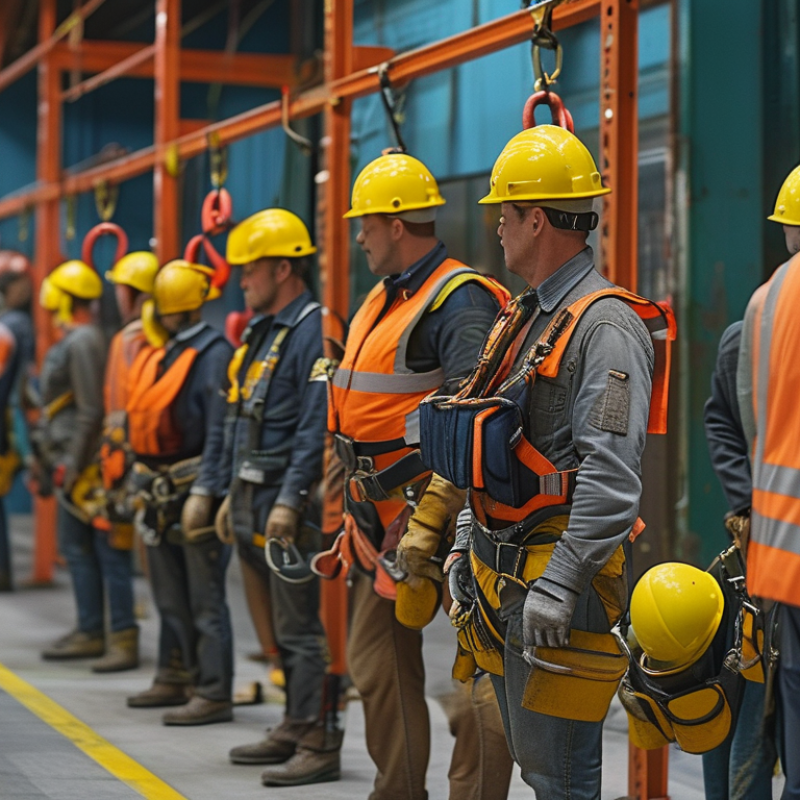
Choosing the right Safety Harness is crucial for ensuring worker safety in high-risk environments. In the words of John Smith, an industry expert with over 20 years of experience, “A proper safety harness can mean the difference between life and death.” This statement highlights the significance of selecting the appropriate equipment for various tasks.

When considering a safety harness, the correct fit is essential. A harness that is too loose may not provide adequate protection. Conversely, a harness that is too tight can cause discomfort, making it hard to focus on the job. There are different styles available, including full-body and vest-style harnesses. Each type serves specific needs and applications.

Additionally, it's important to consider the materials used in the harness. Strong yet lightweight materials can improve comfort without sacrificing safety. Many users overlook this detail, but it is vital for long-term use. Selecting a safety harness should not be rushed; taking the time to assess options will pay off in the end.
Essential Tips for Choosing the Right Safety Harness?

Understanding Different Types of Safety Harnesses Available in the Market

Choosing the right safety harness is crucial for ensuring worker safety in various industries. Safety harnesses come in different types, each serving unique purposes. For instance, there are full-body harnesses designed for fall protection. These provide comprehensive support and distribute any falling force evenly across the body. They are commonly used in construction and high-altitude jobs.

Another common type is the seat harness. It typically features a seat-like design to keep the user upright and comfortable during work. These are useful in scenarios where workers are suspended for extended periods. Alongside these, there are specialized harnesses for specific situations, like rescue or climbing. Each type has distinct characteristics that cater to different tasks.

When selecting a safety harness, consider comfort and fit. A poorly fitting harness can impede movement, causing discomfort and risking safety. Don’t overlook the materials; some harnesses are made of lighter fabric but may lack durability. Pockets or gear loops can add functionality, but not all harnesses include these features. Always evaluate your specific needs and work environment before making a choice. Reflect on the fact that even minor issues in harness selection can lead to serious consequences.

Key Factors to Consider When Selecting a Safety Harness

Choosing the right safety harness involves understanding key factors crucial for your safety. The Occupational Safety and Health Administration (OSHA) reports that falls remain a leading cause of workplace injuries, emphasizing the importance of proper harness selection. When selecting a harness, consider the type of job, the fall hazard, and body type.

Fit and comfort are often overlooked yet essential. A harness that is too tight may restrict movement, while one that is too loose can provide inadequate protection. According to a study by the National Institute for Occupational Safety and Health (NIOSH), a well-fitted harness significantly reduces the risk of injury. Make sure to test the harness while moving to ensure it offers both comfort and security.

When evaluating harness features, look for adjustable straps, cushioning, and weight rating. These elements enhance usability and provide the needed support during demanding tasks. It’s also wise to reflect on the harness's material and durability. A sturdy harness made with high-quality materials can withstand harsh conditions. Don’t forget to regularly inspect your equipment for wear and tear, which can compromise safety.

Importance of Proper Fit and Adjustability in Safety Harnesses

Choosing the right safety harness is crucial for ensuring worker safety. The fit and adjustability of a harness directly impact its effectiveness. A harness that fits poorly can lead to uncomfortable pressure points. It might not provide the support necessary to keep you safe in high-risk situations.

When selecting a harness, check for adjustable straps. These allow for a customized fit. Look for multiple adjustment points around the chest, legs, and shoulders. With these features, you can ensure a snug feel without being overly tight. Proper adjustments are essential for comfort, especially during long hours of use.

It's important to trial the harness during a mock scenario. This gives a sense of how it performs under real conditions. A snug fit should not restrict movement. Reflect on how the harness feels during various tasks. If it limits your mobility or shifts unexpectedly, reconsider your choice. Safety equipment should enhance performance, not hinder it.

Essential Tips for Choosing the Right Safety Harness

Feature Importance Considerations
Proper Fit Ensures safety by preventing falls Measure waist and chest size accurately
Adjustability Allows customization for comfort and safety Check the number of adjustment points
Material Quality Affects durability and strength Look for high-strength synthetic materials
D-Rings Placement Critical for effective fall arrest Ensure they are positioned for optimal use
Weight Capacity Must match user weight for safety Confirm ratings before purchase
Safety Standards Compliance indicates reliability Look for certifications such as ANSI or OSHA

Safety Standards and Certifications for Reliable Harnesses

When choosing a safety harness, understanding safety standards is crucial. Safety harnesses must meet rigorous industry standards to ensure they can reliably protect users. Look for certifications from recognized organizations. These certifications often indicate that the harness has undergone extensive testing in various conditions.

The ANSI and OSHA guidelines provide specific criteria for harness performance. A harness should be comfortable yet secure. If it feels restrictive, you may not wear it properly. Pay attention to the weight capacity as well. It’s essential to select a harness designed for your specific workload.

Not all harnesses are created equal. Some might not pass safety tests despite looking sturdy. Evaluate the details, like the stitching and material durability, before making a choice. A reliable harness can save lives, but it must align with established safety guidelines. Always question if the harness fits your needs and whether you truly understand its limitations.

Maintenance and Inspection Tips for Your Safety Harness

Maintaining and inspecting your safety harness is crucial for ensuring personal safety during work at heights. Regular checks help you identify wear and tear that could compromise the harness's effectiveness. Look for frays, cuts, and discoloration in the straps. A minor blemish may seem harmless. In reality, it can signal a need for immediate replacement.

Inspect all hardware, including buckles and D-rings. Ensure they are not bent or damaged. Each component must function smoothly. Consider the environment where the harness is used. Exposure to harsh chemicals or extreme weather can shorten its lifespan. Document your inspections, noting any findings for future reference.

Reflect on your harness care habits. Are you diligent or do you skip checks? Remember, even the toughest gear can fail without proper upkeep. Developing a consistent inspection routine is essential. It can prevent accidents and ensure reliability. Prioritize the health of your safety harness. Make it a part of your safety culture.

Essential Tips for Choosing the Right Safety Harness

This bar chart represents the importance rating of various features to consider when choosing a safety harness, highlighting comfort, durability, weight, adjustability, and price factors.

Article Source: