10 Tips for Buying Heavy Duty Pallet Racks
Choosing Heavy-Duty Pallet Racks is not just a matter of finding the strongest-looking steel frame. The right system must fit your loads, building, equipment, and daily workflow. A rack that looks substantial can still be poorly suited to the pallets it holds. Details matter.
Before comparing prices, record the weight and dimensions of each loaded pallet. Check beam capacity, upright specifications, aisle width, forklift turning space, and available ceiling clearance. Confirm requirements against the manufacturer’s load information, and ask a qualified professional when building conditions or unusual loads raise questions. Guessing is not a plan. Floor condition and anchoring also deserve attention, especially where racks will carry heavy loads or face regular forklift traffic.
These ten tips will help you evaluate suppliers, compare rack layouts, and spot details that are easy to overlook. They cover practical questions such as whether the system can adapt to changing inventory, how damaged components should be assessed, and what inspection routines your team can realistically maintain. A lower purchase price may not reflect installation, future adjustments, or operating needs. Still, the most expensive option is not automatically the best choice. It is tempting to focus on capacity alone; I would reconsider that instinct. Safe, efficient storage depends on the whole setup and on clear information from the people who design, supply, and install it.
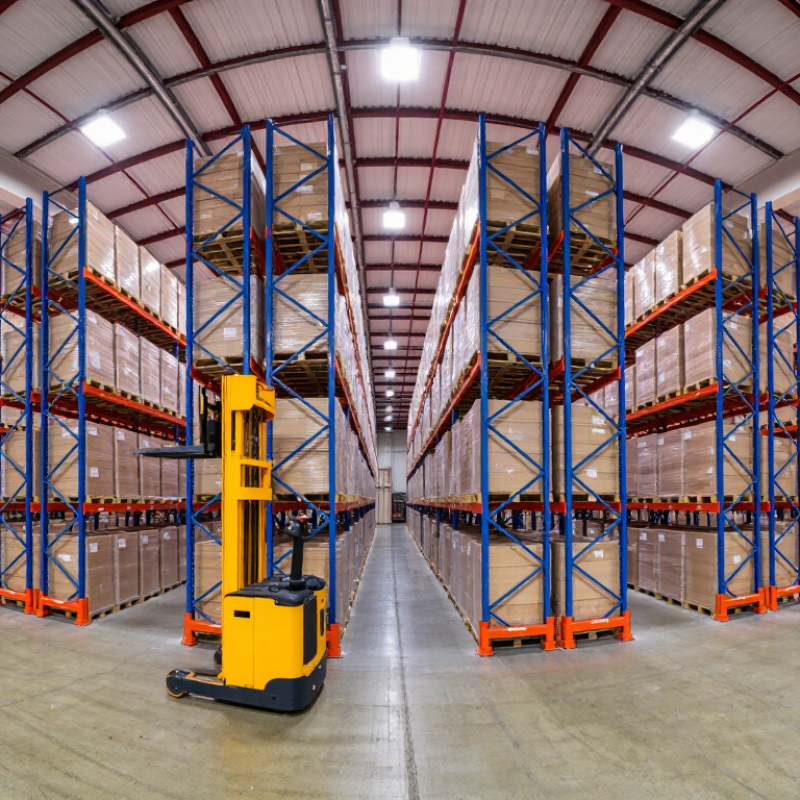
Define Load Requirements and Pallet Dimensions
Before choosing heavy duty pallet racks, record the loaded weight of each pallet, not just the product weight. Include the pallet itself, packaging, and any uneven load distribution. Use the heaviest realistic load as your planning figure. Guessing from an average can leave little room for heavier shipments.
Then measure each pallet’s length, width, and height, including any load that extends beyond its edges. Note how pallets sit on the rack: their orientation affects beam spacing and available clearance. A few inches matter. Measure several pallets, since actual dimensions can vary between shipments. I would not rely on a catalog’s standard pallet size without checking what arrives at the dock.
Match these details to the rack configuration and its rated capacity. Confirm the allowable load for each beam level and the overall bay, and account for the number of pallets stored at each level. Keep enough clearance for forklift entry and safe placement; crowded openings invite bumps and make handling harder. If pallet weights or dimensions change often, record the range and review the layout before adding storage. That extra check can feel tedious. It is still cheaper than planning around numbers that were never accurate.
Measure Warehouse Space and Review Handling Equipment
Before selecting heavy-duty pallet racks, measure the warehouse as it is, not as the drawing suggests. Record clear ceiling height, usable floor area, column spacing, door openings, and low beams or lights. A tape measure and marked floor plan help, but verify critical dimensions twice. Small errors matter.
Then review the handling equipment assigned to each aisle. Note each forklift’s width, turning radius, mast height, and lift capacity at the planned rack height. Include the pallet’s full dimensions and any load overhang; a 48-inch pallet can occupy more than 48 inches. Aisle requirements vary by equipment type, so check the manufacturer’s specifications and test turning clearance on the proposed layout. Measure again. The test may reveal awkward corners.
Check the floor condition, slab capacity, sprinkler clearance, lighting, and traffic routes before finalizing bay widths. Measure where loads will actually travel, not only where racks will stand. A clear corner may soon become a staging area, so leave practical room for daily operations. There is no perfect layout; small compromises should be recorded, not guessed. Have a qualified rack professional review the measurements and proposed loads before ordering, and update the plan if handling equipment changes.
10 Tips for Buying Heavy Duty Pallet Racks: Measure Warehouse Space and Review Handling Equipment
Aisle width affects rack layout and should be checked against the handling equipment you use. These are indicative planning ranges, not universal requirements: confirm the exact truck specifications, load dimensions, turning needs, and applicable safety and building codes before finalizing a layout.
Choose a Rack Type and Configuration
Choose the rack type around how many different products you store and how often you need each pallet. Selective pallet racks provide direct access to every pallet, making them useful when inventory changes often. Drive-in racks store pallets several positions deep and can increase density, but forklifts must enter the lanes. Push-back and pallet-flow systems can suit higher-volume storage, though their moving components and loading patterns need careful planning. Density matters.
Then set the configuration to match your building and equipment. Measure pallet dimensions, loaded weight, ceiling height, column locations, and available aisle space. Check that forklift turning needs are compatible with the rack layout; a tight aisle on paper may slow daily work. I used to think extra aisle space was simply wasted capacity, but safe, practical access can matter more than squeezing in another bay. Measure twice.
Before installation, confirm beam and frame capacities for the actual loads and intended arrangement. Pallet weight alone is not enough if loads are uneven or overhang the supports. Leave suitable clearance for handling, lighting, and overhead systems, and have a qualified rack professional review the layout. A rough floor sketch helps, but it can miss obstacles that only appear during a site walk.
Check Load Ratings, Safety Features, and Build Quality
Treat the capacity plate as a specification, not a suggestion. Verify beam and upright ratings for the exact bay, beam spacing, and shelf layout; changing any of these can change capacity. Ask for the rack’s design documentation, and have a qualified professional check anchors and floor conditions. The Rack Manufacturers Institute’s ANSI MH16.1 standard covers the design and testing of steel storage racks. OSHA standard 29 CFR 1910.176(b) requires safe load limits to be posted in storage areas. Small details matter.
Inspect welds, bracing, beam connectors, and base plates. Reject bent uprights, cracked welds, or missing locking devices. Add column guards where forklifts pass, and wire decking where loose items could fall. Check that finishes are consistent, but do not mistake a clean coating for proof of structural strength. The U.S. Bureau of Labor Statistics reported a 4.8 total recordable case rate per 100 full-time workers in warehousing and storage in 2023. That figure is not rack-specific, but it is a reminder to treat impact protection and routine inspections seriously. One easy mistake: choosing a rack by price before confirming the actual pallet weights and handling equipment.
Compare Suppliers, Installation, and Long-Term Costs
A low quote can be misleading if it covers only the rack frames and beams. Ask each supplier to list the same items: load capacities, guards, anchors, delivery, and any required inspections. Compare written specifications, not just price sheets. Small details matter. A missing row of upright protectors may cost more later than the initial saving.
Installation deserves equal attention. Ask who will assemble the system, how the crew handles uneven floors, and whether the quote includes anchoring and cleanup. Request a clear schedule and a named contact for questions. Before signing, check that the proposed layout matches your pallet dimensions, forklift aisle needs, and ceiling height. A drawing that looks neat on screen can feel cramped on a busy warehouse floor.
Look beyond the first invoice. Include repairs, replacement parts, future expansion, and downtime in your cost comparison. Ask suppliers how damaged components are identified and replaced, and whether compatible parts will remain available. Keep load notices and installation records accessible to warehouse staff. Not every estimate will predict every expense; that uncertainty is worth admitting. A slightly higher upfront cost may make sense when the scope, support, and long-term maintenance plan are clearer.