
Skip to content

Top Tips for Buying a Coiler Machine for Your Business?

In the evolving world of manufacturing, choosing the right Coiler Machine is crucial for success. John Smith, a respected expert in the coiling industry, once stated, "A good coiler machine can increase productivity and reduce costs." This statement highlights the importance of making an informed decision.

When selecting a coiler machine, consider the specific needs of your business. Every operation is unique. Take time to compare different models and their features. Look for machines that are user-friendly yet robust. Think about how much space you have. Some machines require more area than others. Efficiency and versatility should not be overlooked.

Research is vital before finalizing your purchase. Consult industry reports and user reviews. Talk to other professionals in the field. Mistakes can be costly, so reflect on potential shortcomings. Investing in the right coiler machine can transform your business processes, enhancing productivity while minimizing waste.
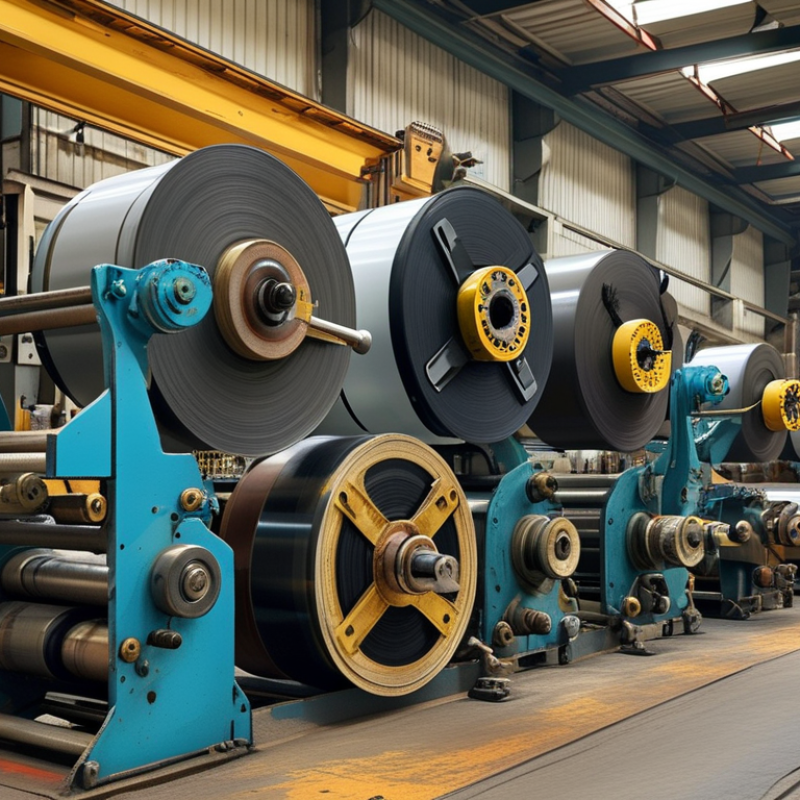
Top Tips for Buying a Coiler Machine for Your Business?

Factors to Consider When Choosing a Coiler Machine for Your Business

When selecting a coiler machine for your business, certain factors greatly influence your purchase. Understanding your production needs is essential. Take into account the material types you will coil. Some materials may require specific features in a machine. For example, wire diameter can vary. The right machine should accommodate these variations.

Another critical aspect is the machine's speed and efficiency. Industry reports indicate that machines with higher speeds can improve overall productivity by up to 30%. However, it's vital to balance speed with quality. Fast machines may compromise on precision, leading to increased waste and rework costs. Buyers should carefully evaluate how each machine performs under different conditions.

Cost is also a major consideration. It's not just about the initial price. Maintenance expenses can accumulate over time. A study found that machines with better durability tend to save businesses 20% on maintenance over their lifespan. Investing in a reliable coiler machine is crucial. It might seem like a higher upfront cost, but it may pay off in the long run. Thus, gathering data on both initial and ongoing expenses is necessary for making an informed decision.

Understanding Coiler Machine Specifications and Features

When buying a coiler machine, understanding specifications is crucial. Different models feature various capabilities like wire diameter range and coil dimensions. Evaluate the intended application. Consider if it's for heavy-duty projects or fine, delicate wires. This choice affects machine longevity and output quality.

Another important specification is the coiling speed. Some machines offer higher speeds, increasing production efficiency. However, faster doesn’t always mean better. Accuracy can sometimes suffer. Balance speed with quality to avoid costly rework. Also, think about the machine's ease of use. User-friendly controls can significantly reduce training time for your team.

Don't overlook the importance of after-sales support. Reliable manufacturers offer robust customer service and technical assistance. This could save you from future headaches. Are parts readily available? A long waiting time for replacements can disrupt operations. Careful consideration of these specifications ensures you make an informed choice that aligns with your business needs.

Top Tips for Buying a Coiler Machine for Your Business

Feature/Specification Description Considerations
Coiling Speed The rate at which the machine can coil wire. Higher speeds increase productivity but may require better training for operators.
Coil Diameter The size of the coiled product, affecting material usage. Assess the range of diameters needed for your projects.
Material Compatibility Types of wire or materials the machine can process. Ensure the machine can handle the materials required by your business.
Automation Level The extent to which the machine can operate autonomously. Highly automated machines may reduce labor costs.
Control System User interface and programming capabilities. Look for user-friendly controls to facilitate operator training.
Maintenance Requirements How often the machine needs servicing. Consider ease of access for maintenance tasks to minimize downtime.
Cost Total price of the machine, including any additional features. Balance initial investment against potential long-term savings.

Evaluating Coiler Machine Production Capacity: Industry Standards

When assessing the production capacity of coiler machines, understanding industry standards is essential. Each machine's output will vary based on factors like design and material. Production rates are typically measured in units per hour or minute. Knowing these metrics helps businesses plan effectively.

Consider the actual application of the coiler machine in your operations. Some machines may promise high throughput but falter in real-world conditions. For instance, operators might face machine jams or product inconsistencies. These challenges impact overall efficiency and can result in costly downtimes.

It's vital to evaluate not just the numbers but also the machine's reliability. Frequent maintenance issues can lead to prolonged production stoppages. Investigating customer feedback and industry reviews could unveil hidden problems. Think critically about how a coiler machine fits into your workflow and the long-term implications of your investment.

Cost-Benefit Analysis: Investing in a Coiler Machine for Efficiency

Investing in a coiler machine can significantly improve your business efficiency. A recent industry report highlights that companies using advanced coiling technology can boost production speed by up to 30%. This increase translates into higher output and potentially greater profit margins. However, the decision to invest requires careful consideration of initial costs versus long-term benefits.

The upfront expense for a coiler machine may seem daunting. On average, these machines can range from $10,000 to $50,000, depending on the features and specifications. Calculating your return on investment (ROI) is crucial. If a machine reduces labor costs by 20% and increases output, the savings can quickly offset initial expenses. Nevertheless, be mindful of maintenance costs, which are often overlooked. Regular upkeep is essential to avoid unexpected downtimes, impacting productivity and profits.

It's also vital to consider the adaptability of the machine. A coiler that meets current needs may need upgrades later. Choosing a machine compatible with evolving technologies ensures continued relevance in a changing market. Addressing potential issues in efficiency critically evaluates how the machinery aligns with business goals. Ensure your choice reflects both immediate requirements and future growth potential.

Maintenance and Support Services for Coiler Machines: What to Look For

When purchasing a coiler machine, maintenance and support services are crucial. A reliable service team ensures operational efficiency. Look for providers who offer extensive training for your staff. Operators must understand the machine's features. This knowledge helps prevent common issues in day-to-day operations.

Consider the availability of replacement parts. Many breakdowns occur due to delayed repairs. Suppliers should stock essential components for quick solutions. This minimizes downtime and keeps production flowing smoothly. Also, ask about the service contracts offered. These agreements often cover routine checks. An inclusive package can save costs long-term.

Evaluate the experience of the service team. Knowledgeable technicians are better equipped to handle complex repairs. It’s important to establish a good relationship with them. Communication is key when issues arise. You might face challenges with finding the right support. Sometimes service responses aren’t as quick as expected. Being proactive can help mitigate such issues.