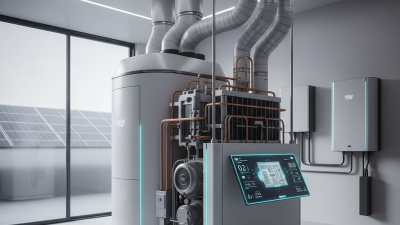
Optimizing airflow in HVAC systems is crucial for maximizing energy efficiency and ensuring comfortable indoor environments. Experts in the field emphasize the importance of proper airflow management. As John Smith, a renowned HVAC engineer, aptly puts it, “Efficient airflow in HVAC systems is not just about comfort; it’s about sustainability and energy savings.” This perspective highlights the dual benefit of optimizing airflow: enhancing occupant satisfaction while reducing energy consumption.
In today's environment, where energy costs continually rise and sustainability is at the forefront, the implementation of advanced strategies for managing airflow HVAC systems becomes imperative. Techniques such as adjusting ductwork, utilizing variable speed fans, and incorporating smart technology can significantly improve system performance. By focusing on these aspects, building managers and homeowners alike can create more energy-efficient HVAC systems that not only maintain optimal thermal comfort but also contribute to lower utility bills and reduced environmental impact.
Ultimately, the optimization of airflow within HVAC systems is a proactive approach that requires a comprehensive understanding of both the technology and the environment in which it operates. By prioritizing airflow efficiency, we can secure a more energy-efficient future for our spaces.
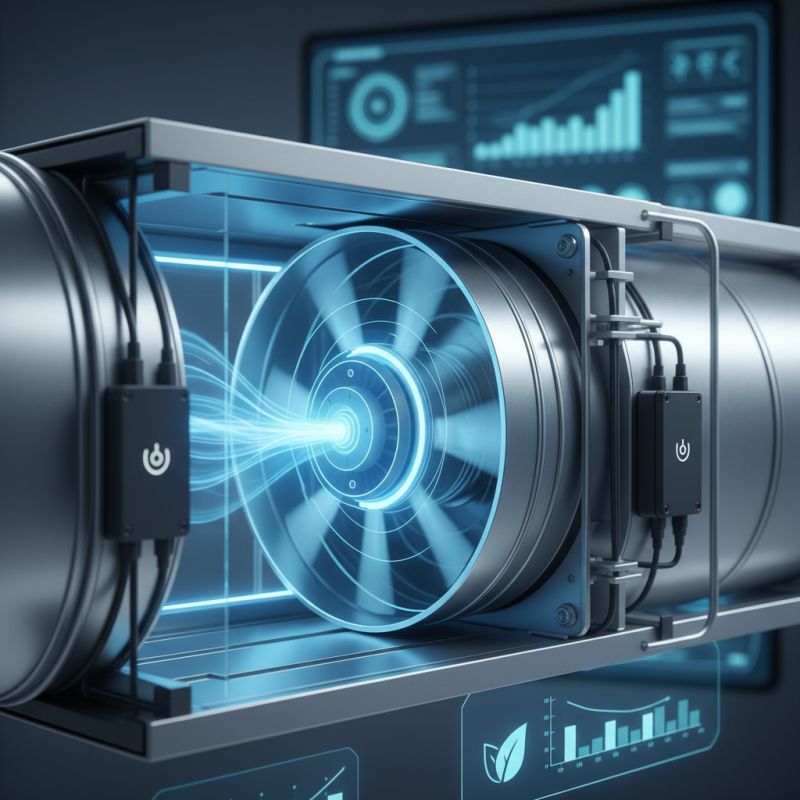
Understanding the basics of airflow in HVAC systems is crucial for achieving energy efficiency. Airflow is the movement of air through the HVAC system, and it directly impacts comfort levels and energy consumption. Fundamental elements affecting airflow include duct design, fan speed, and filter cleanliness. A well-designed duct system with minimal bends and obstructions promotes smooth airflow, reducing the workload on fans and lowering energy costs.
Tips: Regular maintenance of the HVAC system is essential. Ensure that air filters are changed or cleaned periodically to prevent airflow blockages. In addition, optimizing fan speed settings based on the specific cooling or heating demands can significantly enhance overall efficiency.
Proper balancing of the system also plays a key role in airflow optimization. This can involve adjusting dampers and vents to ensure even air distribution throughout the building. Consider conducting an airflow assessment to identify and rectify any issues that may hinder performance, leading to improved energy savings and a more comfortable indoor environment.
The efficiency of airflow in HVAC systems is significantly influenced by various design factors that need careful consideration. One primary factor is the ductwork configuration. The layout should minimize sharp turns and bends, as these can create turbulence and obstruct smooth airflow. Utilizing a straight, adequately sized duct system ensures that the air moves freely, reducing the load on the HVAC equipment and enhancing overall system performance.
Another crucial aspect is the selection of appropriate air filters. Filters need to balance air quality and airflow resistance. High-efficiency filters can trap more particulate matter but may restrict airflow if not designed for the system's specifications. Therefore, selecting a filter that optimizes both performance and energy efficiency is essential. Additionally, maintaining a clean system through regular filter changes and duct cleaning can improve airflow and prevent unnecessary strain on the unit.
Moreover, the placement of vents and registers plays a vital role in achieving optimal airflow. Properly positioned supply and return vents promote balanced air distribution throughout the space, preventing hot and cold spots. Additionally, utilizing variable air volume (VAV) systems can adjust airflow based on demand, further enhancing energy efficiency while ensuring comfort in different zones within the building. By addressing these design factors, HVAC systems can achieve significant improvements in airflow efficiency, leading to greater energy conservation.
| Factor | Description | Impact on Airflow Efficiency | Recommended Improvement |
|---|---|---|---|
| Duct Design | Shape and layout of ductwork affecting airflow. | High impact – proper design minimizes losses. | Use smooth, appropriately sized ducts with minimal bends. |
| Filters | Air filters that trap dust and particles. | Moderate impact – clogged filters restrict airflow. | Regularly replace or clean filters to ensure efficiency. |
| Fan Speed | Speed setting of HVAC fans. | High impact – optimal speed enhances airflow. | Adjust fan speeds according to system demand. |
| Vent Placement | Location and orientation of air vents. | Moderate impact – affects distribution of conditioned air. | Design vent placement to ensure even airflow. |
| Insulation | Thermal insulation of ductwork. | High impact – prevents energy loss. | Insulate ducts in unconditioned spaces. |
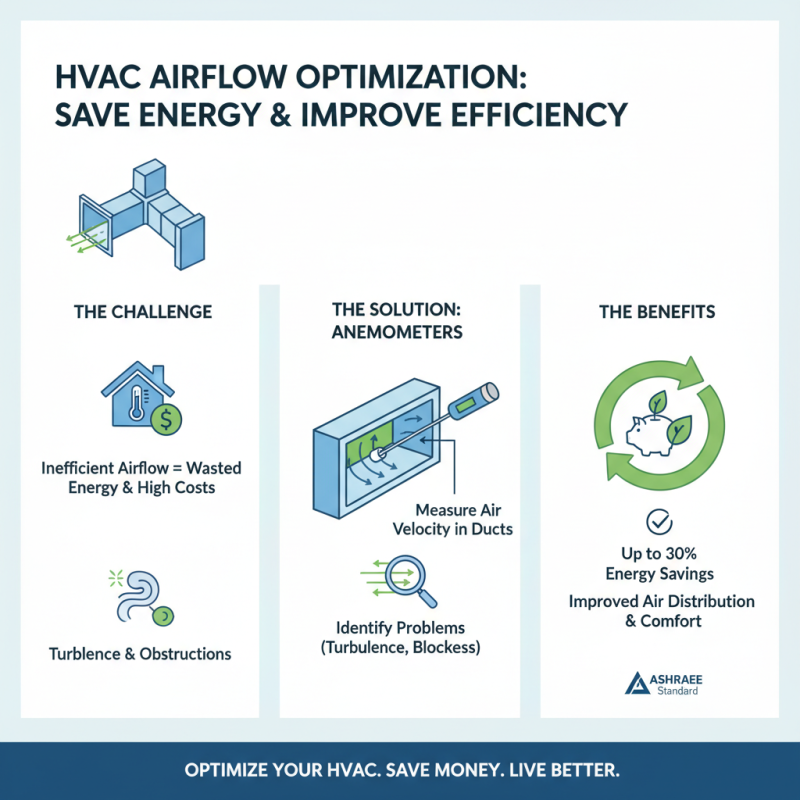
In optimizing airflow for HVAC systems, accurate measurement and analysis of airflow performance are crucial for improving energy efficiency. One effective technique is the use of anemometers to measure the velocity of the air moving through ducts. According to the American Society of Heating, Refrigerating and Air-Conditioning Engineers (ASHRAE), maintaining proper airflow can result in energy savings of up to 30%. By utilizing these devices, technicians can identify areas of turbulence or obstruction that impinge on air distribution efficacy.
Another valuable method is conducting thermal imaging inspections to analyze airflow patterns within a building. This non-invasive technique can help detect issues such as air leaks or insulation deficiencies, which are often responsible for lost energy. A report from the U.S. Department of Energy indicates that poorly managed airflow can lead to an increase in energy costs by approximately 20-50%. By leveraging these technologies and methodologies, HVAC professionals can gain detailed insights into system performance and implement enhancements that not only promote energy savings but also improve occupant comfort.
Optimizing ductwork and ventilation layout is crucial for enhancing energy efficiency in HVAC systems. According to the U.S. Department of Energy, improper design and installation of duct systems can lead to energy losses of 20% to 30%. To mitigate these losses, it is essential to ensure that ductwork is correctly sized and routed to minimize bends and turns. Straight ducts with fewer transitions reduce pressure drops, leading to improved airflow. Furthermore, insulated ducting helps maintain temperature, preventing energy loss in both heating and cooling processes, thereby optimizing overall system performance.
Ventilation layout also plays a pivotal role in efficiency optimization. A well-planned layout ensures adequate air distribution throughout a building, reducing the need for additional conditioning. Utilizing techniques such as balanced airflow principles can significantly enhance indoor air quality while maintaining energy efficiency.
The ASHRAE guidelines suggest achieving a proper balance between supply and return airflow, which enhances the effectiveness of air distribution systems. Moreover, incorporating variable air volume systems can dynamically adjust airflow based on occupancy and ventilation needs, further improving efficiency. By implementing these strategies, energy consumption can be minimized, promoting sustainability and reducing operational costs in HVAC systems.
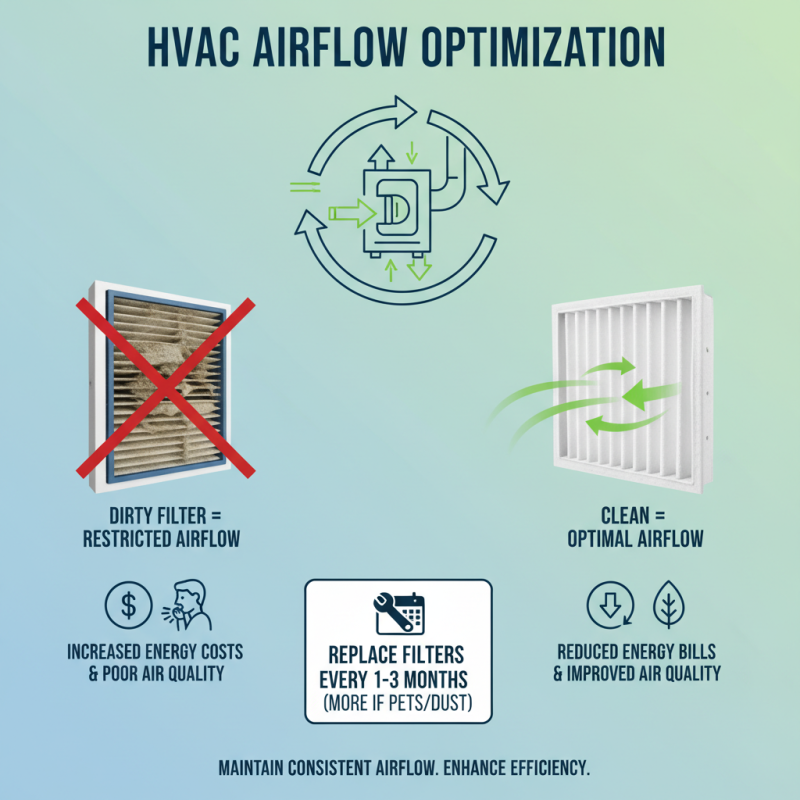
Regular maintenance is crucial for optimizing airflow in HVAC systems and enhancing energy efficiency. One of the most important practices is to routinely check and replace air filters. Dirty filters can restrict airflow, leading to increased energy consumption and reduced indoor air quality. Ensure that filters are replaced every 1-3 months, or more frequently if you have pets or live in a dusty environment. Clean filters help maintain consistent airflow, allowing your HVAC system to operate more efficiently.
Another essential maintenance practice involves inspecting and cleaning the ductwork. Over time, ducts can accumulate dust, debris, and even mold, which can significantly obstruct airflow. Schedule a professional duct cleaning at least every few years to ensure that your system remains clear and efficient. Additionally, sealing any leaks in the ductwork will prevent air from escaping, further enhancing the system's ability to maintain a comfortable environment while using less energy.
Tips: Consider setting up a regular maintenance schedule that includes seasonal check-ups for your HVAC system. During these appointments, a technician can assess the overall performance of the system, ensuring that all components are functioning properly. Furthermore, adjusting your thermostat and utilizing programmable features can help manage airflow more effectively, leading to improved energy efficiency throughout your home.