Skip to content

2026 How to Optimize Airflow in Your HVAC System for Maximum Efficiency?

Optimizing airflow in HVAC systems is crucial for energy efficiency. Dr. Emily Carter, an expert in airflow HVAC, once stated, “Proper airflow management can significantly reduce energy costs.” As we push toward sustainability, understanding airflow dynamics in HVAC systems becomes more important.

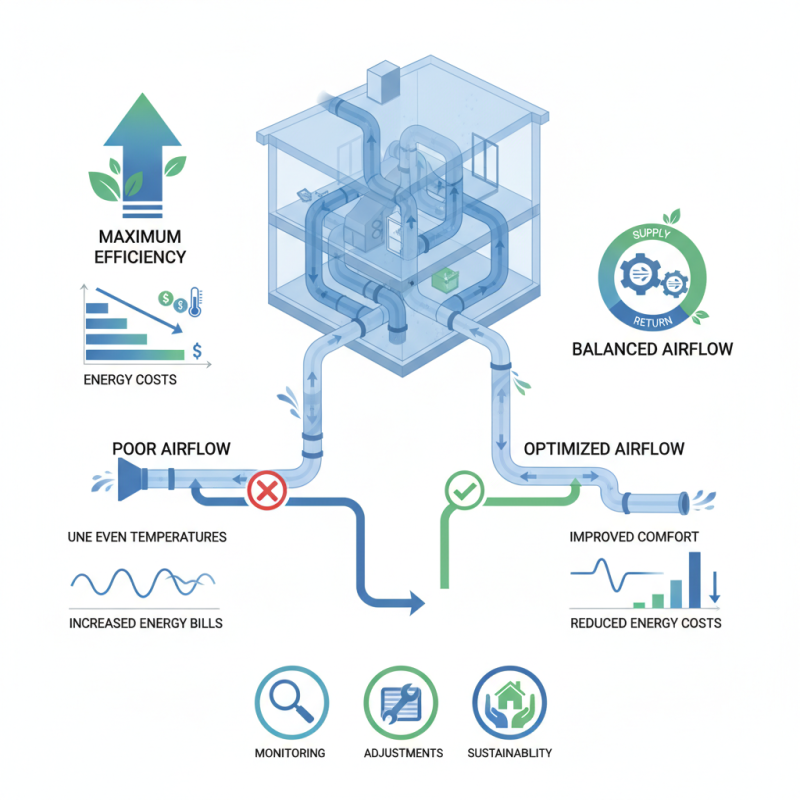
An efficient HVAC system balances airflow and energy use. Poor airflow can lead to uneven temperatures, reduced comfort, and increased energy bills. Monitoring airflow and making necessary adjustments can drastically improve system performance.

However, optimizing airflow is not always straightforward. Duct blockages and inefficient layout often go unnoticed. Balancing air supply and return is essential, yet many overlook this critical aspect. There’s a need to reflect on how small adjustments can lead to big savings in energy and costs. Embracing these changes might require effort, but the benefits are undeniable.
2026 How to Optimize Airflow in Your HVAC System for Maximum Efficiency?

Understanding Airflow Dynamics in HVAC Systems
2026 How to Optimize Airflow in Your HVAC System for Maximum Efficiency?

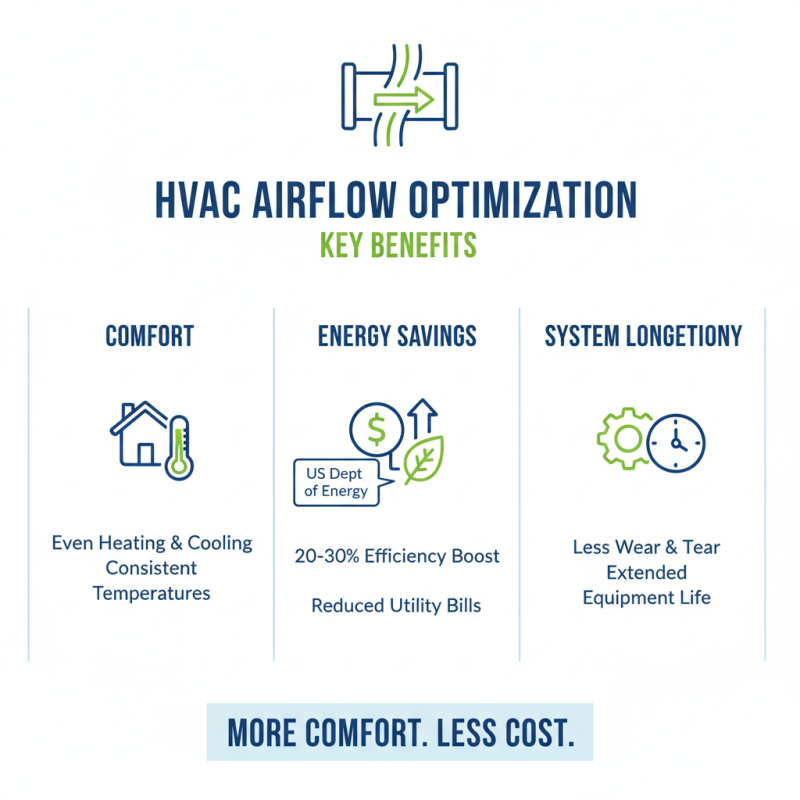
Airflow dynamics play a crucial role in HVAC system efficiency. Proper airflow ensures comfortable indoor environments and reduces energy costs. According to the U.S. Department of Energy, optimizing airflow can improve HVAC efficiency by 20 to 30 percent. This means significant savings over time.

Understanding the airflow path is vital. Duct designs often create bottlenecks. These bottlenecks can restrict airflow and lead to uneven heating or cooling. A 2018 report from the American Society of Heating, Refrigerating and Air-Conditioning Engineers states that poorly designed duct systems can reduce HVAC performance by up to 50 percent. Regular inspections and adjustments might be necessary.

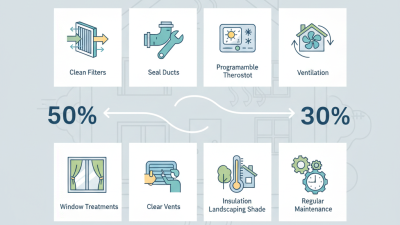
Furthermore, filters need regular cleaning or replacement. Clogged filters restrict airflow and force systems to work harder. This scenario not only wastes energy but also increases wear on components. The latest data shows that neglecting filter maintenance can lead to an average efficiency loss of 15 percent. Periodic checks can prevent this drop.
Key Factors Affecting Airflow Efficiency in HVAC Design

2026 How to Optimize Airflow in Your HVAC System for Maximum Efficiency?

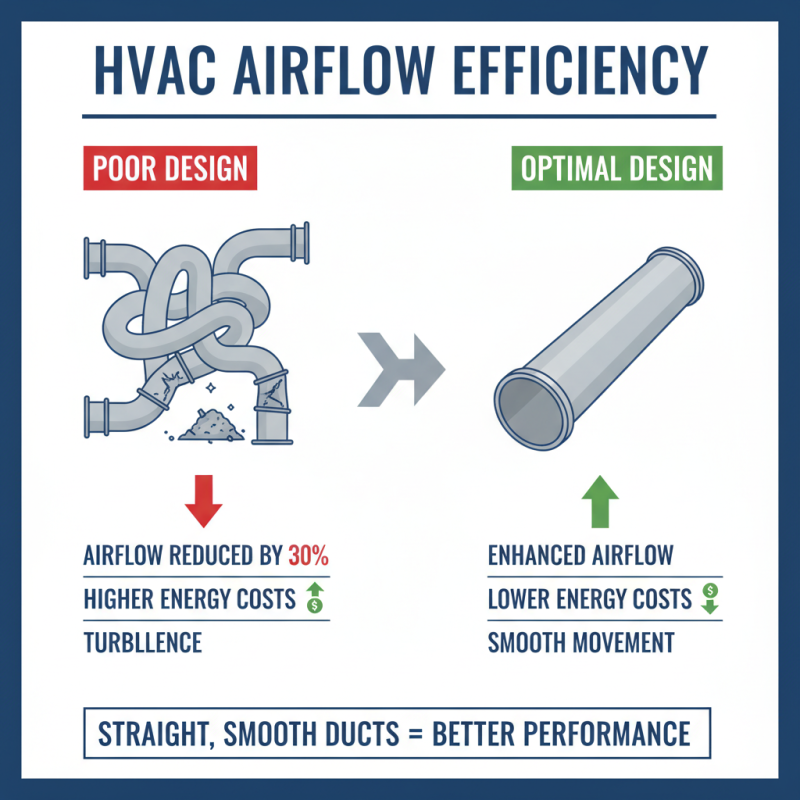
The efficiency of airflow in HVAC systems is crucial for optimal performance. One key factor is duct design. Poorly designed ducts can reduce airflow by up to 30%, resulting in higher energy costs. Straight, smooth ducts enhance airflow. Bends or obstructions create turbulence, impeding movement.

Another important aspect is the size of the ducts. If they are too small, airflow is restricted. Conversely, oversized ducts can lead to air stagnation. According to industry experts, proper duct sizing should follow ASHRAE standards. This ensures that air moves efficiently, maintaining comfort levels while minimizing energy waste.

Air filters also play a significant role in airflow efficiency. Dirty or clogged filters can reduce effectiveness by limiting airflow. It is recommended to change filters every 1-3 months, depending on usage. Regular maintenance is essential. Neglecting this can lead to higher operational costs and reduced system lifespan. Balancing these elements is not easy, but it’s necessary for optimizing HVAC performance.

Industry Standards for Optimal Airflow Rates in HVAC Applications

When optimizing airflow in HVAC systems, it's crucial to follow industry standards for airflow rates. Each system requires specific airflow to function effectively. Insufficient airflow can lead to uneven temperatures and increased energy costs. For example, residential systems typically need 400 to 600 cubic feet per minute for balanced heating and cooling. However, many homeowners overlook this detail.

Moreover, commercial spaces have distinct requirements. Large buildings might demand 1,000 to 3,000 CFM. Achieving these rates ensures that rooms maintain comfortable conditions. Failure to adhere to these standards can cause discomfort for occupants.

It's also essential to consider duct design and sizing. Properly sized ducts minimize friction loss, enhancing airflow efficiency. Regular maintenance is vital too. Dirty filters and blockages can hinder performance. Many neglect this aspect, leading to energy waste. Attention to these details is necessary for optimal HVAC performance.

2026 How to Optimize Airflow in Your HVAC System for Maximum Efficiency?

Dimension Recommended Value Unit Notes
Total Airflow Rate 400-600 CFM Depends on room size and occupancy
Duct Velocity 700-900 FPM Optimal for efficiency and noise control
Static Pressure 0.5-1.0 inches W.C. Monitored for system performance
Temperature Differential 15-20 °F Balance comfort and efficiency
Air Changes per Hour 4-6 ACH Depends on building type and usage

Common Airflow Issues and Solutions for HVAC Systems

Airflow issues in HVAC systems can lead to energy inefficiency and increased costs. According to a report from the U.S. Department of Energy, improper airflow can reduce system efficiency by up to 30%. Issues such as duct leaks, inadequate insulation, and poorly designed ductwork can greatly impact performance. Identifying these problems is the first step toward optimization.

Common signs of airflow problems include inconsistent temperature zones and excessive noise from vents. Regular maintenance can help identify these issues early. Cleaning or replacing air filters regularly can improve airflow and efficiency. A study by the American Society of Heating, Refrigerating and Air-Conditioning Engineers (ASHRAE) indicates that a clogged filter can restrict airflow by over 50%.

In addition, consider measuring static pressure in the ducts. High static pressure can signal blockages or restrictive duct sizes. The performance gap often comes from overlooked details. Unbalanced airflow can cause strain on the HVAC system, leading to early failures. It's crucial to not only fix visible issues but also to analyze the entire system design for overall effectiveness. Assessments can reveal surprising inefficiencies that need addressing.

Advanced Technologies for Monitoring and Improving HVAC Airflow

Enhanced airflow is crucial for HVAC efficiency. Advanced technologies play a significant role in optimizing airflow. For instance, smart sensors can track temperature and humidity levels continuously. This data helps technicians make precise adjustments. According to industry reports, optimizing airflow can improve system efficiency by up to 30%.

Utilizing AI can predict airflow issues before they escalate. Predictive analytics allows for proactive maintenance. This approach can reduce energy costs significantly. A study from the American Society of Heating, Refrigerating and Air-Conditioning Engineers (ASHRAE) highlights that regular airflow assessments can detect invisible leaks. Addressing these leaks can lead to savings on utility bills.

Tips: Implement routine inspections with digital tools. Utilize smart thermostats to monitor real-time data. Investing in these technologies often pays off quickly. Constantly evolving techniques are essential for maximum efficiency. It’s common for systems to still underperform despite new technology. Regular feedback and adjustments are necessary. Monitoring should be an ongoing process, not a one-time fix.