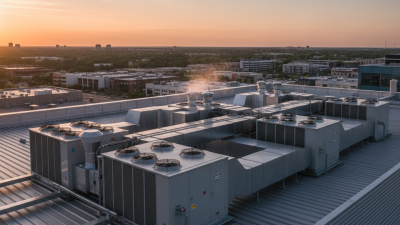
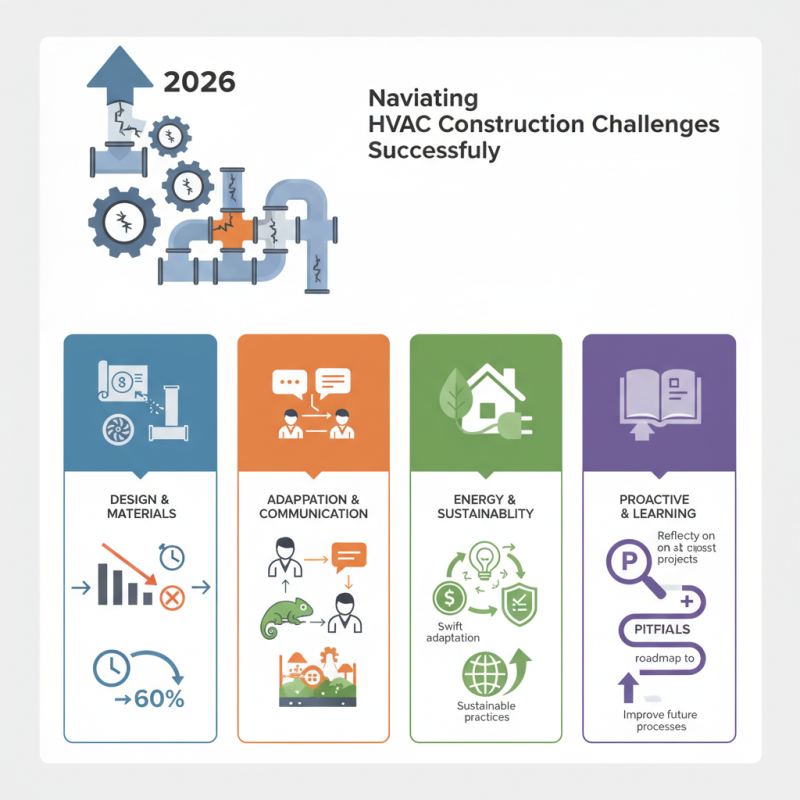
The HVAC construction industry faces numerous challenges as it evolves. According to a recent report by the American Society of Heating, Refrigerating and Air-Conditioning Engineers (ASHRAE), over 60% of HVAC projects experience delays due to design discrepancies and material shortages. This creates significant pressure on contractors and project managers.
Expert Tom Miller, a leading voice in HVAC construction, once stated, "Adapting to changes swiftly is crucial for success in our industry." His insight highlights the rapidly shifting landscape of this specialized field. Navigating these complexities demands a proactive approach and effective communication among all stakeholders involved.
Furthermore, the growing focus on energy efficiency and sustainable practices adds another layer of complexity. Projects must align with stringent regulations while ensuring cost-effectiveness. The key lies in anticipating potential pitfalls. Reflecting on past projects can reveal invaluable lessons. Acknowledging setbacks offers a roadmap to improve future HVAC construction processes.
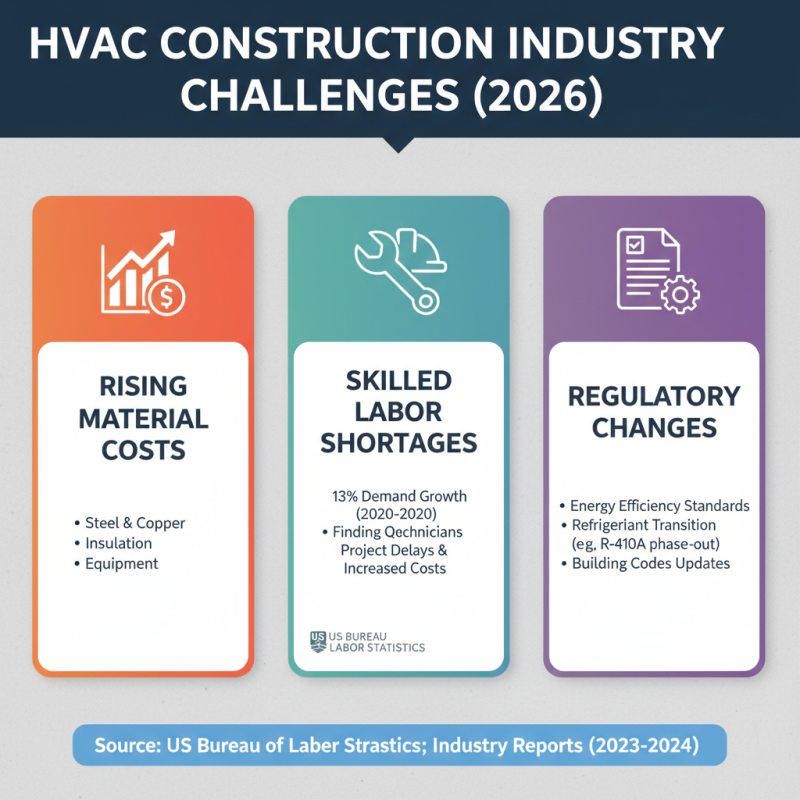
In 2026, the HVAC construction industry faces numerous challenges. Key factors include rising material costs, skilled labor shortages, and regulatory changes. According to a recent report by the U.S. Bureau of Labor Statistics, HVAC technician demand is expected to grow by 13% from 2020 to 2030. However, many contractors struggle to find qualified workers. This gap can delay projects and increase costs.
To navigate these challenges, contractors should focus on training and development programs. Investing in employee skills can improve efficiency and project outcomes. Furthermore, a recent study indicated that projects with properly trained staff can save up to 20% in operational costs.
Understanding regulatory changes is also crucial. Compliance can be complex, with many states adopting stricter energy efficiency standards. Failing to comply can result in fines and project delays. Stay updated on local regulations to avoid unnecessary setbacks.
Tips:
- Establish partnerships with technical schools for recruitment.
- Regularly review and adapt project plans to align with regulations.
- Consider alternative materials to manage costs and ensure sustainability.
Effective project planning and scheduling are crucial for HVAC construction projects. Adequate preparation helps to mitigate common challenges. A well-structured timeline ensures that each phase runs smoothly. This foresight can save time and resources.
Tips: Break down the project into smaller tasks. Assign clear deadlines. Regular check-ins help track progress. Communication is key. Misunderstandings can lead to delays.
Weather can impact scheduling. Plan for potential interruptions. Incorporate buffer times in your schedule. Adjustments may be necessary to stay on track. Ensure all team members understand these changes.
Documentation plays a vital role in project planning. Keep records of meetings, schedules, and updates. Referring back can clarify decisions and actions. Mistakes are inevitable, but learning from them is essential. Reflect on what worked and what didn't to improve future projects.
Navigating HVAC construction challenges requires innovative solutions. Many projects face unexpected delays. These can stem from supply chain issues or labor shortages. An effective way to address these obstacles is through the adoption of cutting-edge technologies.
Building information modeling (BIM) is one such technology. It allows teams to visualize the entire HVAC system before installation. This can reduce errors and improve coordination among trades. Digital twins are another useful tool. They create accurate simulations of systems in real-time, allowing for better planning and problem-solving.
However, technology adoption is not without its challenges. Many contractors are wary of transitioning to new systems. This can lead to resistance among team members. Ongoing training and support are essential to help teams adjust. Embracing innovation is vital, but it needs a careful approach. A balance between technology and traditional methods is often necessary for success.
| Challenge | Innovative Technology | Description | Benefits |
|---|---|---|---|
| Delays in Project Timeline | Project Management Software | Utilizes real-time tracking and scheduling features. | Improves efficiency and maintains project timelines. |
| Rising Material Costs | AI-Driven Procurement | Analyzes market trends to optimize purchasing decisions. | Reduces costs and enhances budget management. |
| Compliance with Regulations | Building Information Modeling (BIM) | Integrates construction details with compliance requirements. | Ensures adherence to codes and standards seamlessly. |
| Labor Shortages | Robotics & Automation | Uses machines for repetitive tasks and assembly. | Increases productivity and reduces reliance on manual labor. |
| Inefficient Energy Use | Smart Energy Management Systems | Monitors and optimizes energy consumption in real-time. | Lowers energy costs and promotes sustainability. |
Collaboration among HVAC stakeholders is vital for project success. Communication is key. All parties must share their expertise openly. Misunderstandings often arise from poor dialogue. Regular meetings can help clarify expectations. A shared digital platform can provide real-time updates. This keeps everyone aligned throughout the project.
It's crucial to define roles clearly. Each stakeholder should know their responsibilities. Overlapping duties can lead to confusion and delays. Feedback loops must be established. Constructive criticism can enhance performance. Sometimes, mistakes happen. Learning from them can prevent future issues. Emphasizing accountability fosters a culture of trust.
Incorporating diverse perspectives can also enrich the process. Each stakeholder brings unique knowledge. Encourage input from all team members. This approach may lead to innovative solutions. However, balancing different opinions requires effort. Conflicts might arise. Addressing these quickly can maintain project momentum. Adjusting plans or methods may be necessary to keep progress on track.
Navigating HVAC construction challenges requires innovative solutions. Compliance with evolving regulations can be daunting. Prioritizing sustainability in HVAC projects helps address these dilemmas. For example, using energy-efficient materials reduces emissions and operating costs. This approach not only supports the environment but also enhances project viability.
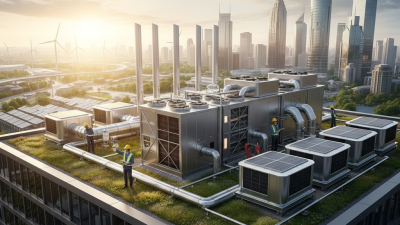
Consider renewable energy sources. Integrating solar panels into HVAC systems can minimize reliance on non-renewable energy. These projects often face installation hurdles. It's crucial to plan for local regulations and site conditions. Projects may run into unexpected complications. Documenting these challenges can foster learning and improvement. The goal is to ensure sustainable practices align with compliance requirements.
Collaboration is key. Engaging with local authorities early on can clarify compliance issues. Building a network of skilled professionals can provide valuable insights. However, challenges will persist. Sometimes, solutions may not be readily available. Regular reviews can help adjust strategies for optimal results. Embracing these complexities will foster resilience in HVAC construction.