
nail intramedullari techniques have evolved significantly in recent years. Expert Dr. Alice Thompson, a leading orthopedic surgeon, states, "The key to success in Nail Intramedullari surgery lies in understanding the nuances of the procedure." These nuances often make the difference between optimal recovery and complications.
Surgeons must consider patient-specific factors when choosing a technique. Every case presents unique challenges. The anatomy may vary greatly from one patient to another. Variations in bone quality, alignment, and fractures can complicate the process. Reflections on past experiences are crucial, as not every method applies universally.
Mistakes can occur. It's important to acknowledge pitfalls, such as improper nail selection or inadequate fixation. Learning from these experiences is vital in perfecting the Nail Intramedullari approach. Continuous education and adaptation enhance surgical outcomes. In an evolving field, one must remain open to adjustment and innovation for the best results.
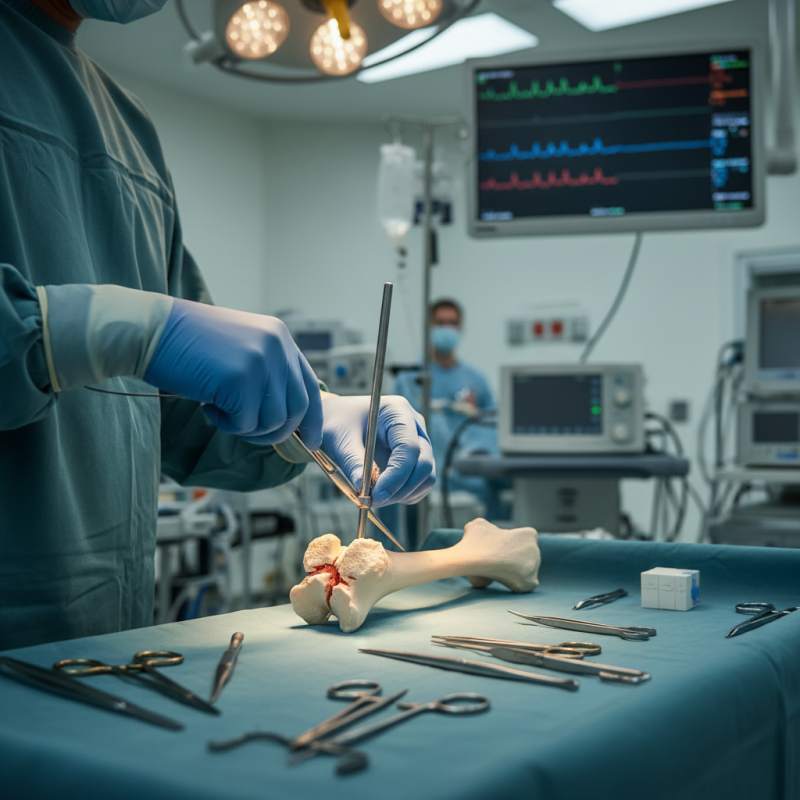
Intramedullary nailing is a surgical method for fixing fractures within long bones. It involves inserting a metal rod into the bone's marrow cavity. This technique offers stability and enables proper healing. The primary purpose is to align fractured bones and enable weight-bearing. Intramedullary nailing is often used for femur and tibia fractures.
In practice, consider these tips: Ensure proper imaging is done before the surgery. Accurate X-rays help determine the fracture type. Misjudging the alignment can lead to complications. Also, watch for infection post-surgery. Keeping the site clean and monitoring for signs of inflammation is essential.
Patient recovery involves awareness of pain management. Discuss effective strategies before the surgery. Stay informed about physical therapy. It can significantly speed up rehabilitation. Some patients note that they feel disoriented during recovery. Don’t hesitate to voice concerns with your healthcare provider. Addressing these feelings can improve outcomes.
This chart represents the average success rates of different methods of intramedullary nailing in orthopedic surgeries based on patients outcomes.
Preoperative planning for intramedullary nailing is crucial. Surgeons must evaluate the patient's unique anatomy. Understanding the fracture type is also essential. A detailed imaging study can help identify bone quality and alignment. This information informs nail size and type selection.
Proper alignment during surgery is often challenging. Intraoperative positioning should be checked regularly. Surgeons may face unexpected issues, like soft tissue complications. These require adaptability and quick decision-making. Additionally, communication with the team is vital to handle surprises effectively.
Sometimes, the preoperative plan might not work as expected. Surgeons may realize alterations are needed during the procedure. Continuous assessment of the situation can lead to better outcomes. Reflecting on these moments can improve future practices. Efficient preoperative planning seeks to minimize such surprises, but the dynamic nature of surgery requires resilience.
Intramedullary nailing has become a standard approach in orthopedic surgery, particularly for long bone fractures. The surgical technique involves precise steps that ensure optimal alignment and stability. Proper understanding of the anatomy is essential. Surgeons must accurately identify the entry point based on specific fracture patterns. A well-planned incision ensures minimal soft tissue disruption, which can aid in recovery.
To execute intramedullary nailing, initial reaming of the canal is crucial. This step allows for the smooth insertion of the nail and can avoid complications like intramedullary pressure. Surgical literature suggests that incorrect reaming can lead to a 20% increase in post-operative complications. Surgeons often debate the ideal size of the nail and the extent of reaming. Choosing a nail that is too large may cause excessive bone loss, while one that is too small can lead to instability.
Furthermore, achieving proper alignment post-nailing can be tricky. The nail must be placed centrally, yet slight misalignment can lead to further issues such as malunion. Studies indicate that up to 15% of patients experience malalignment when the technique is not meticulously followed. This highlights the need for continuous training and reflection on one’s technique, as even experienced surgeons can overlook subtle details.
Postoperative care is vital for a successful recovery after nail intramedullari surgery. According to a study published in the Journal of Orthopedic Surgery, 30% of patients experience complications due to inadequate postoperative care. Effective pain management is crucial. Patients often underestimate their pain levels, which can lead to uncontrolled discomfort. Regular assessments of pain and timely interventions can improve patient satisfaction significantly.
Wound care also plays a fundamental role. Keeping the incision site clean and dry can prevent infections, which occur in nearly 15% of surgical cases. Patients need clear instructions on how to care for their wounds. Using sterile dressings and monitoring for signs of infection can reduce complication rates. Engaging patients in their care plans can enhance adherence to instructions.
Physical therapy is another essential aspect of recovery. Early mobilization aids in reducing stiffness and promotes healing. A report from the American Academy of Orthopedic Surgeons found that patients participating in physical therapy could regain function 25% faster than those who did not. However, not all patients adhere to their therapy schedules. Setting realistic goals and regular follow-ups can motivate patients to remain consistent in rehabilitation efforts.
| Postoperative Care Practice | Recommended Duration | Importance Level | Comments |
|---|---|---|---|
| Pain Management | First 48 hours post-surgery | High | Essential for patient comfort and healing. |
| Wound Care | Ongoing for at least 2 weeks | Critical | Important to prevent infections. |
| Physical Therapy | Start 1 week post-surgery | Moderate | Helps regain mobility and strength. |
| Follow-Up Appointments | Weekly for the first month | High | Necessary to monitor healing progress. |
| Nutritional Support | Ongoing for at least 3 months | Moderate | Supports overall recovery and healing. |
Intramedullary surgery often leads to specific complications. Awareness of these issues is crucial for better outcomes. Improper nail placement is a common concern. This can cause malalignment of the bone. Surgeons should carefully assess the alignment before finalizing the insertion.
Infection is another significant risk. It can arise from poor sterile techniques. Maintaining a clean surgical environment is vital. Surgeons must also consider the patient's overall health. A compromised immune system can increase infection rates. Regular follow-ups can help identify early signs of inflammation.
Bone healing can also pose challenges. Delayed healing or non-union may occur post-surgery. Surgeons should discuss realistic recovery expectations with patients. Sometimes, additional procedures are necessary to correct issues. Engaging in open conversations can reduce anxiety and enhance trust. It is important to reflect on surgical methods and remain open to learning from each case.