Skip to content

2026 How to Master HVAC Design for Better Indoor Air Quality?

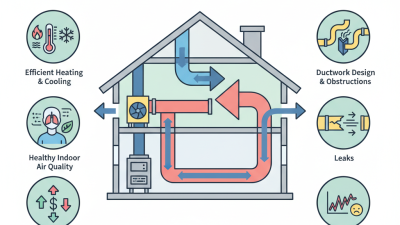
In recent years, indoor air quality has gained significant attention. Poor air quality can impact health and comfort. This is where effective HVAC design comes into play. A well-thought-out HVAC system can significantly enhance indoor environments. It influences not just temperatures, but also humidity and air circulation.

Many buildings still lack optimized HVAC design. This can lead to stale air and increased allergens. To address these issues, designers must prioritize air quality in their systems. Quality filters, proper ventilation, and moisture control are key elements. Yet, some designs focus solely on efficiency, neglecting vital health aspects.

Understanding the nuances of HVAC design is essential. A great system is not just about temperature control. It must also foster a healthy environment. Designers need to reflect on their choices. The goal should be to create spaces that promote well-being and comfort. It’s a challenge, but one that is worth the effort.

2026 How to Master HVAC Design for Better Indoor Air Quality?

Understanding the Basics of HVAC Systems and Indoor Air Quality

HVAC systems play a crucial role in maintaining indoor air quality. They regulate temperature, humidity, and ventilation. Understanding the components is essential for an effective design. Each part works together. The furnace heats air while the air conditioner cools it. It's simple yet complex.

Indoor air quality can be affected by many factors. Dust, mold, and pollutants are common issues. Regular maintenance is key. Filters need changing frequently. Neglected systems can worsen air quality. The design should include adequate ventilation. Fresh air circulation prevents stale air buildup.

Many people overlook the impact of humidity. High humidity promotes mold growth. Low humidity can cause dry skin and respiratory issues. Balancing humidity levels is vital. A thorough understanding of HVAC principles leads to better decisions. Reflecting on these aspects can enhance indoor environments.
Key Factors Influencing Indoor Air Quality in Building Design

When designing buildings, indoor air quality (IAQ) is paramount. Key factors include ventilation, humidity, and pollutant sources. A well-ventilated space reduces the concentration of airborne contaminants. Proper airflow is critical for maintaining health and comfort. High humidity can promote mold growth. It’s essential to balance moisture levels to avoid such issues.

Tips: Consider integrating natural ventilation methods. Open windows whenever possible. This enhances air quality and reduces energy costs. Use exhaust fans in kitchens and bathrooms to eliminate excess moisture.

Pollutant sources can lurk in unexpected places. Materials used in construction might off-gas volatile organic compounds (VOCs). Choose low-emission materials to minimize risks. Regularly inspect and maintain HVAC systems. Dirty filters and ducts can aggravate air quality problems.

Incorporating plants can also improve air quality. They absorb carbon dioxide and release oxygen. However, not all plants are beneficial. Some can cause allergies for sensitive individuals. Select your greenery wisely, and be mindful of your choices.

2026 How to Master HVAC Design for Better Indoor Air Quality? - Key Factors Influencing Indoor Air Quality in Building Design

Factor Description Impact on Indoor Air Quality
Ventilation Rate The amount of outdoor air introduced into a building. Higher ventilation rates can significantly dilute indoor pollutants.
Filtration Using filters to remove airborne particles and contaminants. Effective filtration improves overall air quality and reduces respiratory issues.
Humidity Control Maintaining optimal humidity levels within the indoor environment. Proper humidity control prevents mold growth and enhances comfort.
Source Control Minimizing pollutants at their source (e.g., materials, chemicals). Reduces exposure to harmful contaminants and improves health outcomes.
Air Distribution Designing how air is circulated throughout the building. Effective distribution ensures even air quality across spaces.

Essential Design Principles for HVAC Systems to Enhance Air Quality

2026 How to Master HVAC Design for Better Indoor Air Quality?

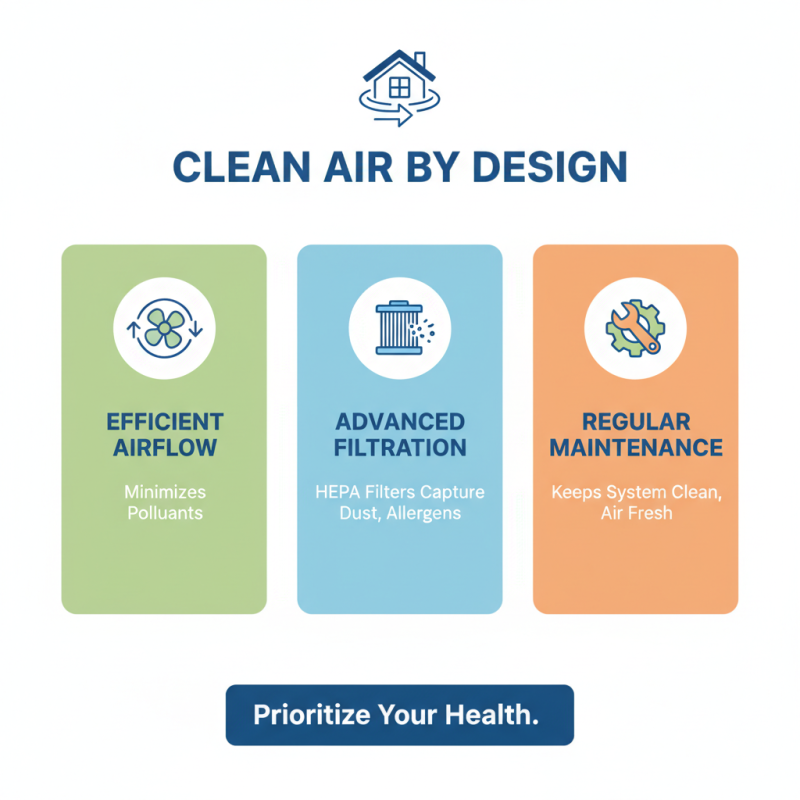
When designing HVAC systems, prioritizing indoor air quality is crucial. Efficient airflow ensures that pollutants are minimized. Proper filtration can capture dust, allergens, and other contaminants. High-efficiency particulate air (HEPA) filters are a valuable asset. They catch smaller particles that standard filters might miss. However, relying solely on filters isn't enough. Regular maintenance of the HVAC system is necessary to keep air clean.

Building layout also plays a significant role. Positioning vents correctly can enhance airflow. This helps to reduce stagnant air zones. Utilizing natural ventilation can improve indoor air quality too. It’s essential to consider the building's orientation and window placement. Unfortunately, many designs overlook these aspects, leading to poor air quality.

Lastly, humidity control must not be neglected. Excess moisture can promote mold growth and dust mites. Integrating dehumidifiers can be an effective solution. However, achieving the right balance between comfort and air quality is not always straightforward. Designers often have to rethink and adjust their initial plans. Crafting an effective HVAC system requires continuous learning and adaptation.

Advanced Technologies for Monitoring and Improving Indoor Air Quality

Indoor air quality (IAQ) is a growing concern. According to the World Health Organization, indoor air pollution causes around 3.8 million premature deaths each year. Traditional HVAC systems often overlook key pollutants, such as volatile organic compounds (VOCs) and particulate matter. These pollutants can significantly affect health and productivity.

Advanced technologies are essential in addressing these challenges. Sensors that detect real-time air quality metrics can be integrated into HVAC systems. Research shows that using CO2 sensors can help maintain acceptable indoor levels, improving overall comfort. Implementing air purification devices can trap harmful particles and improve IAQ. However, not all air monitors are created equal. Users must select reliable products with proven accuracy.

A major challenge lies in data management. Many systems generate significant amounts of data, yet few designs leverage this information effectively. HVAC engineers often lack the necessary expertise to interpret and act on data. Regularly reviewing IAQ data can reveal patterns that inform better design. Yet many organizations still neglect this important aspect. Continuous learning and adaptation are crucial in improving indoor environments.

Indoor Air Quality Metrics

Best Practices for Maintenance and Upgrades in HVAC Systems

2026 How to Master HVAC Design for Better Indoor Air Quality?

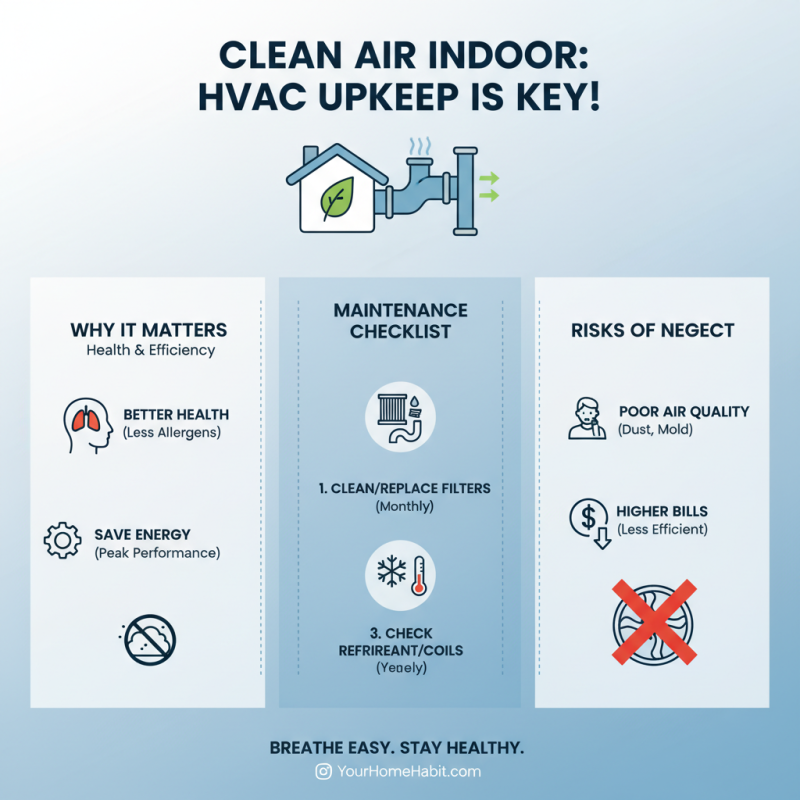
Maintaining and upgrading HVAC systems is crucial for improving indoor air quality. Regular maintenance tasks include cleaning filters, checking ducts, and inspecting refrigerants. Neglecting these tasks can lead to reduced efficiency and poor air quality. Dust and allergens accumulate over time. This affects everyone’s health, especially those with respiratory issues.

Upgrades can significantly enhance system performance. Consider installing high-efficiency filters that capture smaller particles. Programmable thermostats can also help optimize energy use. However, changes shouldn't be impulsive. Evaluate the current system and consider its age. An old system might not justify extensive upgrades.

Balancing cost and effectiveness is essential. Some upgrades may not deliver immediate benefits, which can be frustrating. It's important to stay informed about new technologies. Engaging qualified professionals for assessments is invaluable. They can provide insights tailored to your specific needs. Finding a middle ground between cutting costs and ensuring quality is a challenge for many.